Don’t try to (needlessly) upsell me.

Writers, Print Vehicle Service Histories for Every Vehicle
read more



Don’t try to (needlessly) upsell me.
Today’s article is more of a philosophical one than a pragmatic one.
You see, we’re in the business of buying and reselling auto parts, servicing automobiles, and getting paid for our efforts. But as automotive professionals, we merely delay the inevitable. The inexorable force of time marches on, deaf to pleas for mercy. Cars rust, depreciate, are involved in collisions, and fail in a myriad of other ways. Most of them render the vehicle difficult, impossible, or financially imprudent to repair. (And before you argue that point, recognize the fallible nature of saving everything.)
Oddly, our customers entrust us with their automotive care and rely on us for advice since our interests are closely aligned—until the day they are not. The day we tell a customer to find another vehicle is the day we agree to see them less frequently—and the day we voluntarily reduce the amount of our own paycheck(s). So, then, when is it appropriate to tell a customer that it’s time to let go?
Your shop may (and should) have a clear policy on this. Here are a few items to consider when formulating those guidelines—even if it’s as casual as a jaw session on a slow morning.
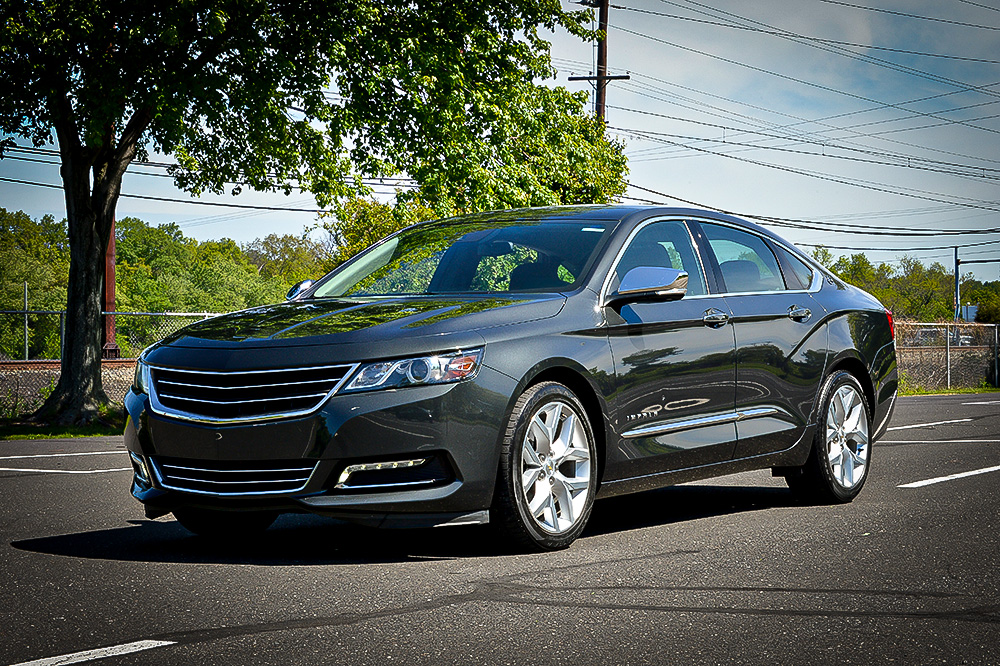
Photo: Mike Apice.
Probably the number one determinant in the “Should I get something else?” conundrum, the value of a vehicle is a complex one. Not many people would scrap a year-old, $65,000 pickup truck that had a few warranty issues. But at the opposite end of that spectrum, a modestly-priced $800 Corolla that otherwise runs well shouldn’t be offloaded because it needs $800 worth of tires and an alignment to match.
So, clearly, there’s a relationship between vehicle value and repair value, but it’s not as simple as an absolute set of numbers. It’s probably more like a formula, but there are other mitigating items we’ll get to in a moment. However, even if you don’t make it to those, it might make sense to develop some thoughts around this factor since it’s often the one customers assign highest priority (rightly or wrongly).
Photo: Mike Apice.
Impact to the customer’s day doesn’t affect us much, but it does affect them! Unplanned repairs are disruptive, but something like worn tires can usually be scheduled with a minimum of disturbance—and it’s our job to see to that. But we all know we see some customers far too often, even if we go over the vehicle with a fine-toothed comb. Let’s be realistic: unplanned repairs are disruptive. More frequent trips to see you may represent anything from a minor inconvenience or a massive disruption. Knowing your customer’s routine(s) can help you help them make a good choice.
Break down those estimates. Brakes, spark plugs, and battery replacements, common items that most folks never think about until problems crop up, can all be planned for and handled at convenient intervals. Check Engine lights and crank/no-start conditions, however, are unpleasant surprises that also often come with a tow bill before you even pick up a wrench.
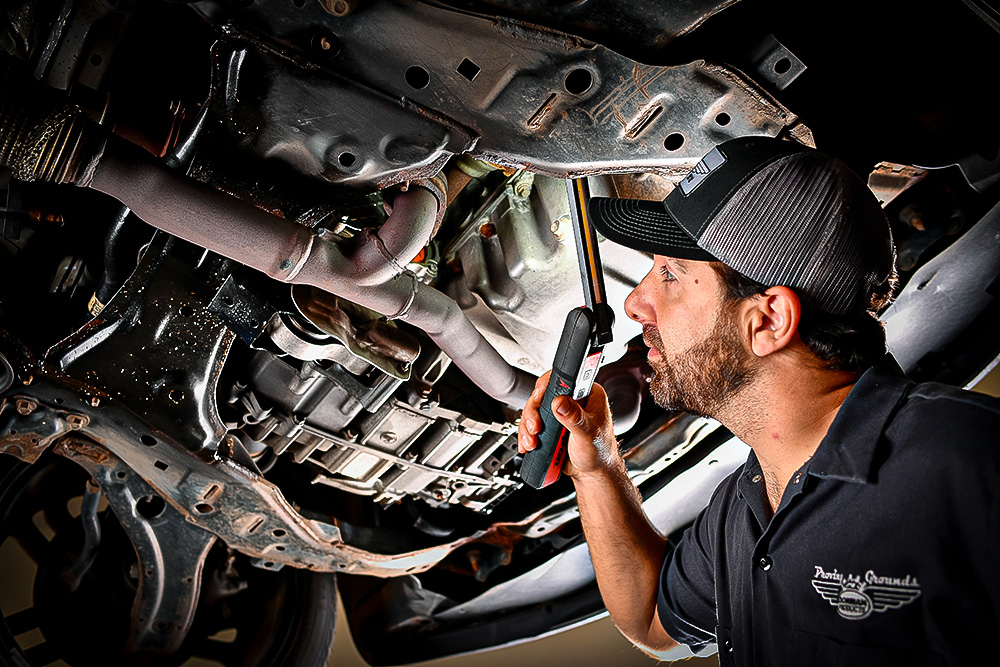
Photo: Mike Apice.
This one’s pretty easy. We’ve all seen a twelve-year-old-car that’s a total heap (think of the neglected minivan that eats wheel bearings and comes with eight pounds of Cheerios ground into the carpeting). It’s now piloted by an eager new driver who used to catch rides to basketball and piano practice in the back a decade earlier.
Now picture the typical low-mileage, lived-in-the-garage final car bought by a retiree that’s in impeccable condition. Both extreme examples, but we all know which one you keep and which one you offload to the nearest gravel-and-pennants car lot that will buy it.
Gently tell your customer which one he has if your shop permits you to consult honestly with this customer.
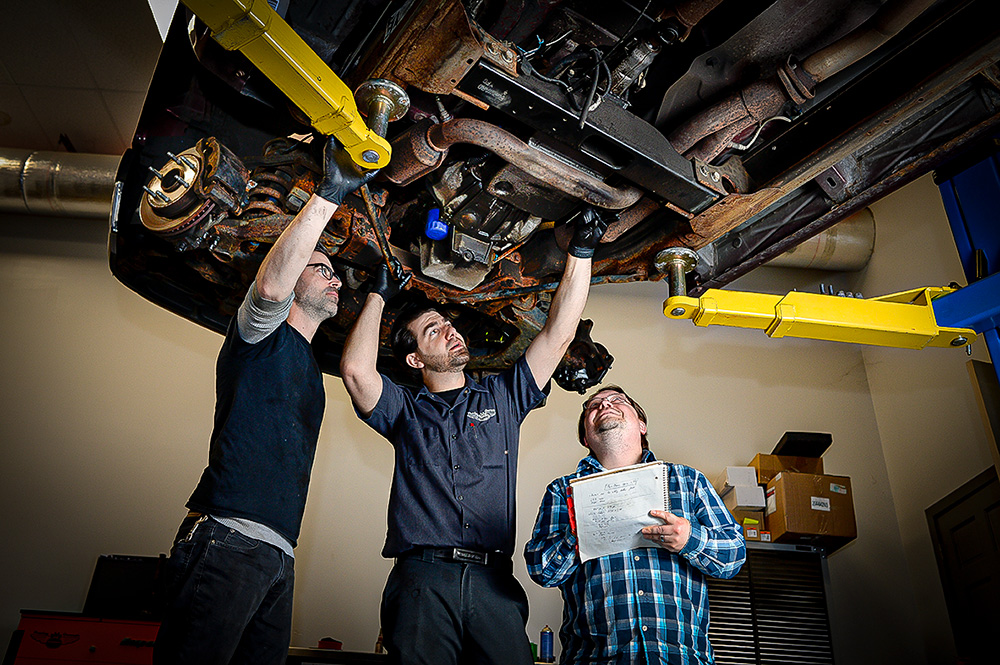
Photo: Mike Apice.
This is maybe the stickiest one here because it’s the most opaque, even to a sharp, engaged service writer. It might be obvious—a four-year old Cadillac with 200,000 miles on the ticker is far riper to be replaced by someone who can afford it than an aging Ford Focus missing its hubcaps driven by someone living paycheck-to-paycheck, but it’s usually not this clear.
There are some folks who want a new car and have all but signed the paperwork, but regardless if it’s newer or new-new, if affordability isn’t a hurdle, that can often drastically alter the equation. Broach the topic delicately; some customers are rather forthright and others very guarded.
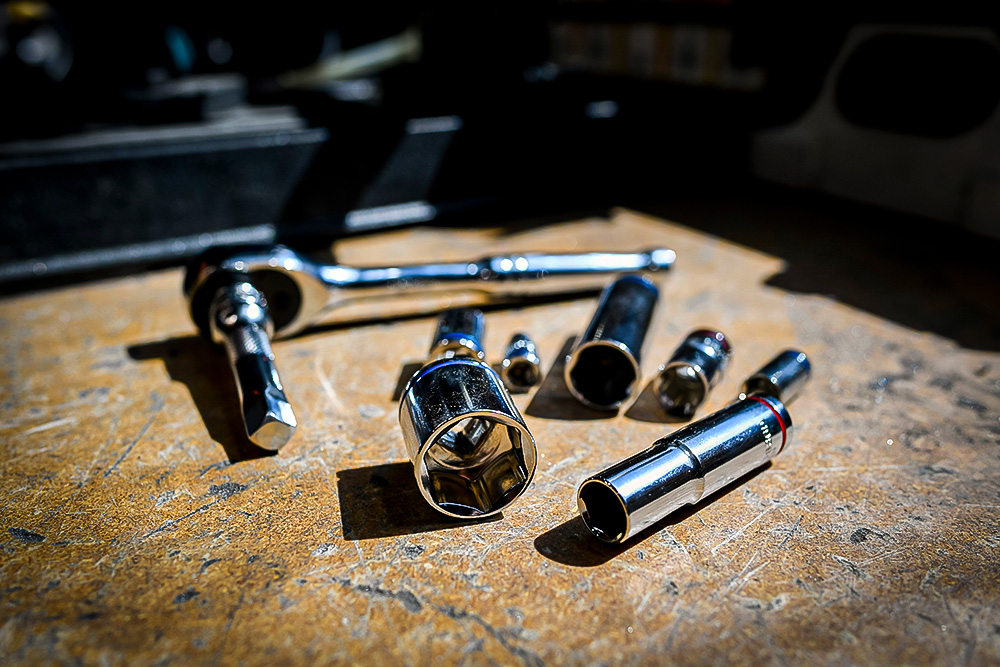
Photo: Mike Apice.
There are no doubt other items to consider when talking to customers about vehicle replacement. If we’re being honest, very rarely does it make sense to “keep it forever,” though there are occasional exceptions. Your shop’s policy on this should be at least clear in terms of handling it. Never bringing it up is probably not the correct approach, nor is suggesting it often enough to drive away business. The best choice is likely tailored to shop, owner, writer, customer and vehicle, and all of those are different.
And of course there’s a bright side to this, too—pre-purchase inspections are a source of income, as are catching up deferred maintenance on new-to-your-customer cars (and the resultant albeit ideally less-frequent repairs). For those buying truly new? You’ll lose them for a few years, but customers coming back to you as their once-new vehicles stop seeing the dealer should also be returning at about the same rate.
So have the chat with your colleagues today. A clear policy regarding how your shop manager wants you to discuss (or avoid discussing) vehicle replacement will make the road ahead and your relationships with your customers a little less likely to contain breakdowns—even if their vehicles aren’t.
The articles and other content contained on this site may contain links to third party websites. By clicking them, you consent to Dorman’s Website Use Agreement.
Don’t try to (needlessly) upsell me.
Techs can’t solve the problem that can’t be found

Don’t leave alternative vehicles on the sidelines.
A primer on spotting unprofitable jobs before they make it to a bay.

Using your shop’s Cost of Doing Business (CODB) as a baseline for labor rates.
Learn why it’s not a bad idea to charge a little more for the hassle.
Participation in this forum is subject to Dorman’s Website Terms & Conditions. Please read our Comment Policy before commenting.