Customers don’t realize it needs attention. Sadly, many mechanics don’t, either.
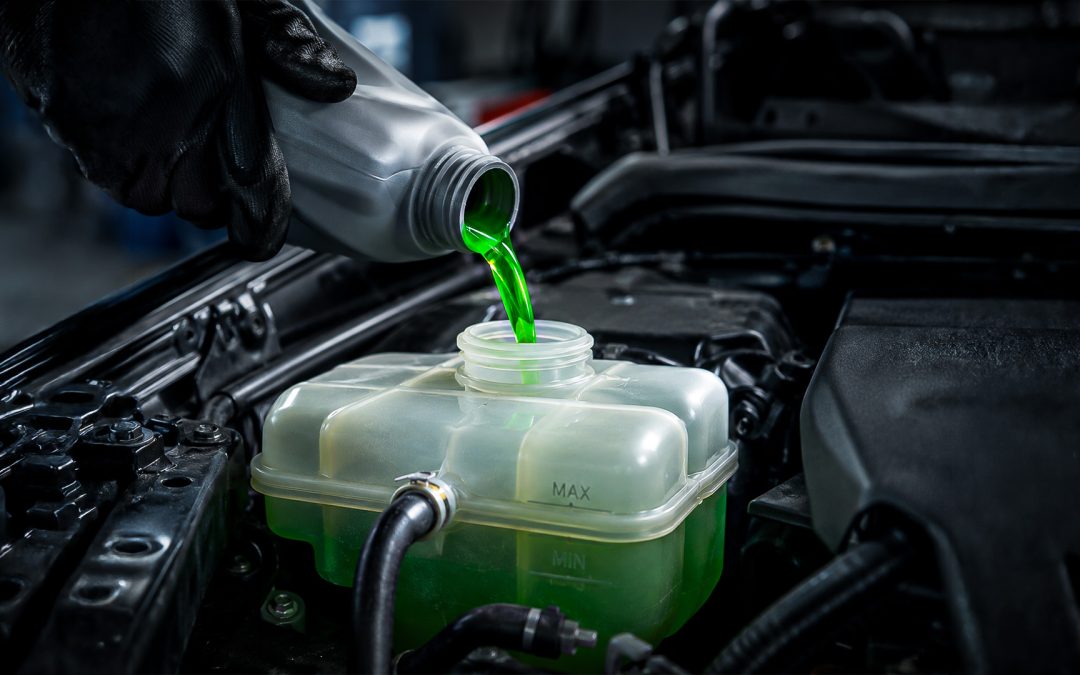
The Most Neglected Part of the Cooling System
read more


Customers don’t realize it needs attention. Sadly, many mechanics don’t, either.
In our earlier article, Mastering the Numbers Part 1, we discussed why shop owners should understand the financial side of their business just as much as the technical side. We introduced the Cost of Doing Business (CODB) as an important baseline financial concept. Let’s show how CODB connects directly to labor rate strategy. Keep in mind that the following examples and projections are just that. I use CODB to help manage the numbers in my shop. That doesn’t necessarily mean it’s the best system for yours.

Suppose your CODB is $200/hour. If your posted labor rate is $175/hour, it looks like you’re underwater. But CODB isn’t meant to dictate your labor rate—it tells you the minimum average revenue you must generate per clock hour. The real picture comes into focus when you apply CODB to technician production.
Tech A
Heavy Engine Repair
12
$175/hr
$2,100
Tech B
Computer Diagnostics / Drivability
25
$175/hr
$4,375
Tech C
Brakes, Oil Changes, Maintenance
35
$175/hr
$6,125
Totals
–
72
–
$12,600
Weekly Shop Totals (Baseline)
Baseline (3 techs at 72 hrs.)
72
$12,600
$315
$200
+$115/hr profit
Tech B drops to 15 hrs
62
$10,850
$271
$200
+$71/hr profit (margin shrinks)
Add 4th Tech (25 hrs)
97
$16,975
$424
$200
+$224/hr profit (strong growth)
All techs 10% less productive
65
$11,375
$284
$200
+$84/hr profit (less cushion)
If you look at the previous table, we mentioned hiring a fourth tech to increase productivity. However, we would also need to consider their salary, and that would change our CODB numbers. CODB is to be considered a changing number, a moving target of sorts, and that’s why it requires attention from time to time. Once calculated, don’t assume it’s the same as time goes by. Some shops will be proactive and adjust their CODB calculations every three to six months, depending on current and expected expenses.
The right balance keeps production steady and ensures that CODB is consistently met and surpassed.
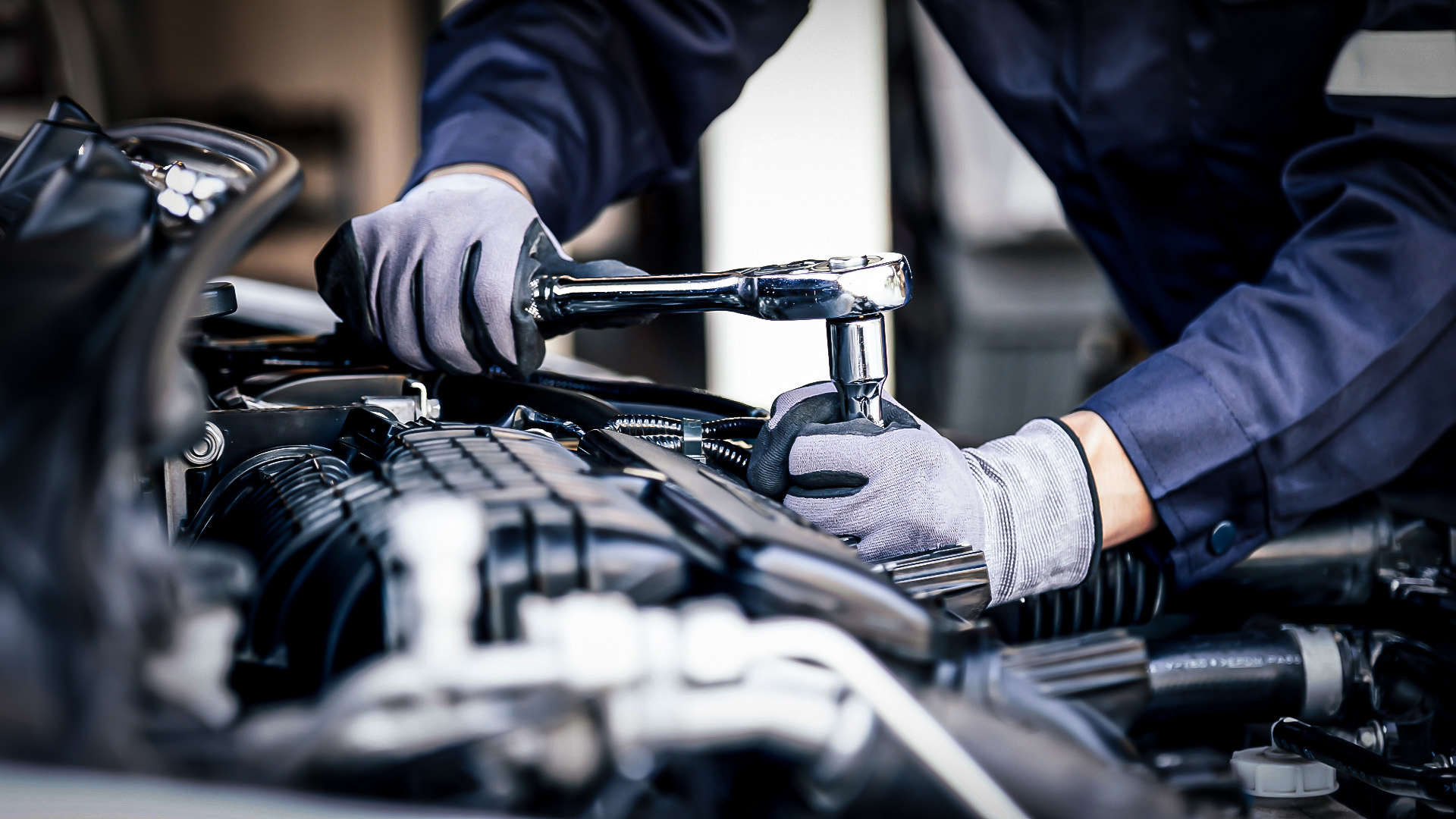
When most shop owners think about labor rate and profitability, they focus on the technicians turning wrenches. But CODB is bigger than that; it represents all the fixed expenses of running the business, including the cost of the people who support the work, not just the ones performing it.
Think about your service advisor, bookkeeper, or shop manager. Their salaries don’t show up on a repair order the way technician hours do, but without them, the shop couldn’t function. These positions handle everything from customer intake and estimating to parts ordering, warranty processing, accounting, and scheduling. They’re often the first and last contact a customer has with your business, and the quality of that interaction is just as critical as the repair itself.
Here’s where CODB comes in. By calculating and tracking CODB, you’re accounting for those salaries in your per-hour expense baseline. That means your posted labor rate and your billed hours aren’t just covering the techs’ pay and the lights over their heads; they’re also generating the revenue needed to pay and retain skilled supporting staff.
Instead of viewing other staff as “overhead” that eats into profit, CODB reframes them as essential contributors whose compensation is built right into the hourly structure of the business.
Labor may be the engine that drives most of a shop’s profitability, but parts sales are the fuel that keeps it moving. CODB accounts for all of your overhead expenses, which means both labor and parts must work together to cover those costs and create profit.
Traditionally, shops have relied on a blended model—labor hours billed at the posted rate, plus parts sold at a markup. That margin on parts creates a cushion. For example:
In this case, the labor revenue covers CODB directly, while the $80 parts margin adds profit and helps protect the bottom line if technician efficiency slips. Without a parts margin, the entire weight of CODB and profit falls on labor.
But here’s the important lesson: if a shop is run efficiently—managing production, efficiency, and CODB closely—it can survive on labor alone. Parts become an additional profit center, not the lifeline. That’s especially critical as the industry changes.

While electric vehicles (EVs) may not be growing at the rate many expected, their continued existence still has an impact on parts sales for shops. EVs have fewer moving components, fluids, and traditional maintenance parts like belts, filters, and hoses. That means less margin to capture on parts. In today’s environment, the ability to calculate, monitor, and act on CODB—and to ensure your labor rate and technician production are dialed in—has never been more important.
CODB keeps you from leaning too heavily on a revenue stream that may not exist tomorrow. It ensures your shop is sustainable, whether you’re installing engines, programming modules, or performing routine services on EVs that may use far fewer replacement parts.

Ron Ananian has been the owner of R/A Automotive in New Jersey since 1978. His radio show, “Ron Ananian, The Car Doctor,” (www.cardoctorshow.com) is syndicated in 200 markets. The podcast of the show is available on all major streaming platforms.
The articles and other content contained on this site may contain links to third party websites. By clicking them, you consent to Dorman’s Website Use Agreement.
Customers don’t realize it needs attention. Sadly, many mechanics don’t, either.
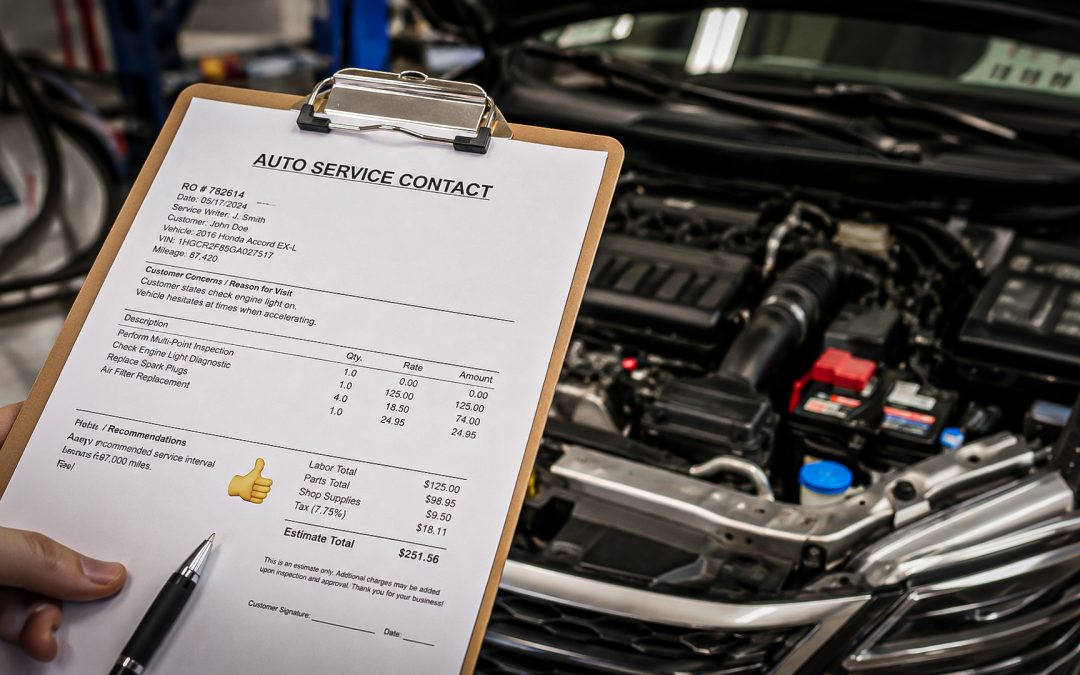
Casual communication can have formal consequences.
If you have to have them in the shop, endeavor to make politics polite.
Real estate is an investment—make yours start earnin’.

Don’t try to (needlessly) upsell me.

Techs can’t solve the problem that can’t be found
Participation in this forum is subject to Dorman’s Website Terms & Conditions. Please read our Comment Policy before commenting.