Don’t try to (needlessly) upsell me.

Writers, Print Vehicle Service Histories for Every Vehicle
read more



Don’t try to (needlessly) upsell me.

A Porsche Taycan on a Hong Kong street. Photo: Maximus Beaumont on Unsplash.
In simple terms, regenerative braking converts an electric drive motor into an electric generator. This “regenerative” process introduces resistance as rotational forces at the wheels are converted into electrical energy to be stored in the battery, and that resistance slows the vehicle. Think of it like a big rig “Jake brake,” except the wheel’s rotational motion is turned into electricity instead of noise. Hybrid and fully electric vehicles use regenerative braking as a means to recapture energy and funnel it back into the main traction battery. Most regenerative braking systems can be adjusted from light to heavy effort depending on a variety of conditions.
Since the electric motor is doing the stopping, that means brake pads and shoes are not used as much. While not completely a “use it or lose it” situation, a lack of friction braking use can cause problems with parts of the brake system:
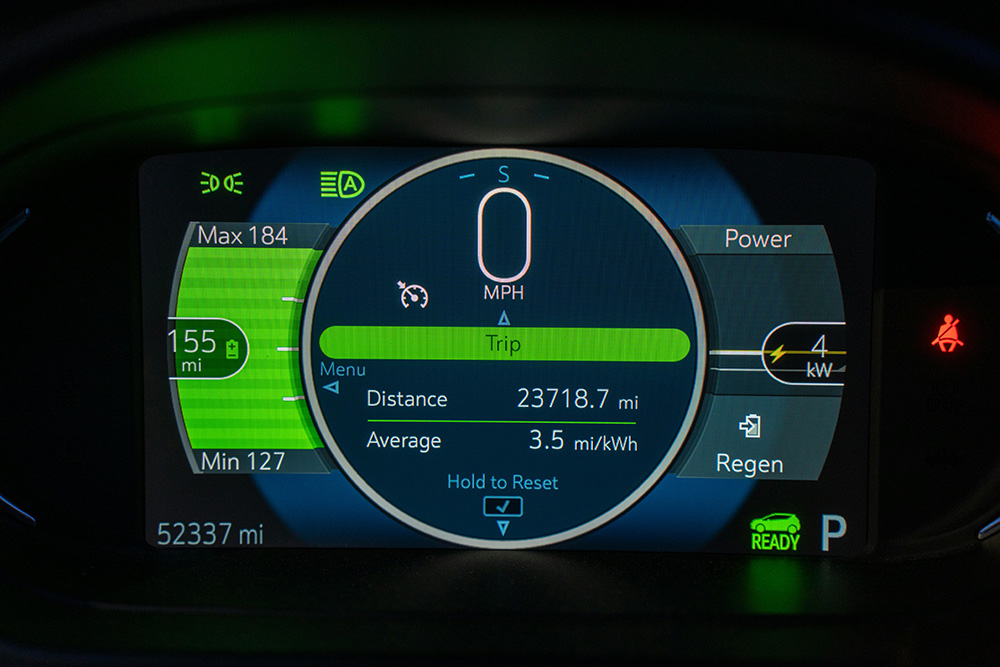
Electric vehicle dashboard display metrics. Photo: Tom Fisk from Pexels.
Even though regenerative braking takes a great deal of the stopping effort away from traditional braking components, it does not mean that friction brakes do not need maintenance. Just because brake pads or shoes are still within the thickness spec does not mean that the entire braking assembly is in top shape. Instead of rotors and drums wearing out, they can develop corrosion that makes them less effective when needed the most. If the physical friction brakes are only used in emergency situations, pads and shoes will not have enough grip to stop effectively.
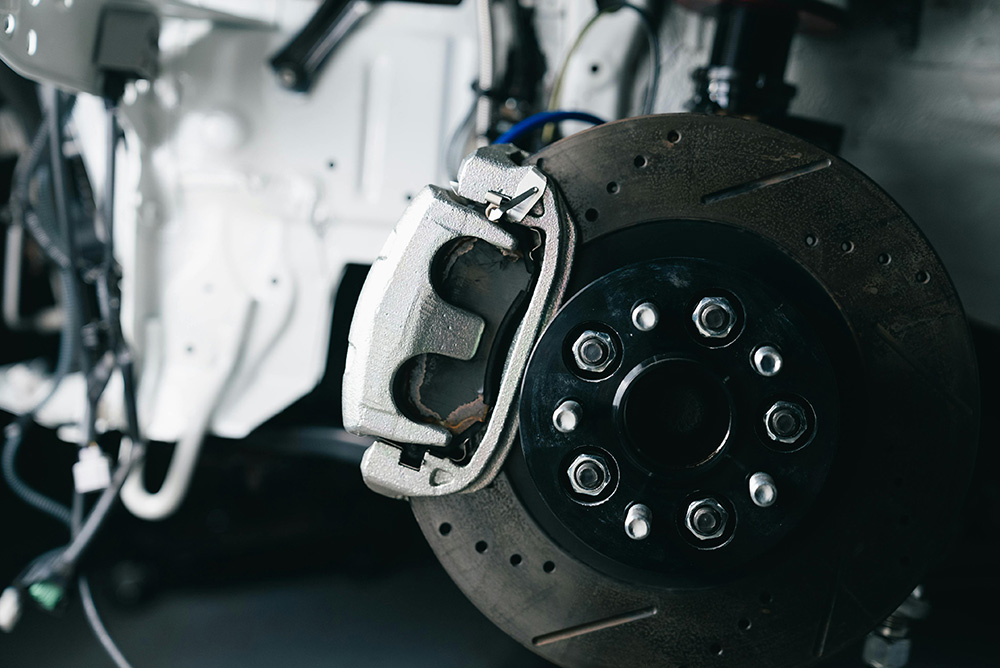
Car brake caliper and disc. Photo: Erik Mclean from Pexels.
Regenerative braking delivers clear benefits in efficiency and component longevity, but it also shifts how technicians need to think about brake system health. Reduced wear doesn’t equal reduced responsibility—if anything, it means inspections must be even more deliberate to catch corrosion, sticking hardware, and degraded friction surfaces before they become safety concerns. By staying proactive with maintenance and following OEM guidelines, techs can ensure that hybrid and EV drivers get the best of both worlds: the energy‑saving advantages of regenerative braking and the reliable stopping power of a well-maintained conventional brake system.
The articles and other content contained on this site may contain links to third party websites. By clicking them, you consent to Dorman’s Website Use Agreement.

A/C systems are evolving with new designs and refrigerants, making accurate diagnosis and repair more important than ever.
Draw a hard line when it comes to basic diagnostics.

Technician A says thrust angle must be set to zero on many ADAS-equipped vehicles during alignment. Technician B says the steering angle sensor and front wheel position must be correct before camera or radar calibration. Who is correct?
They may look simple, but these little toggles can enable powerful electronic versatility.
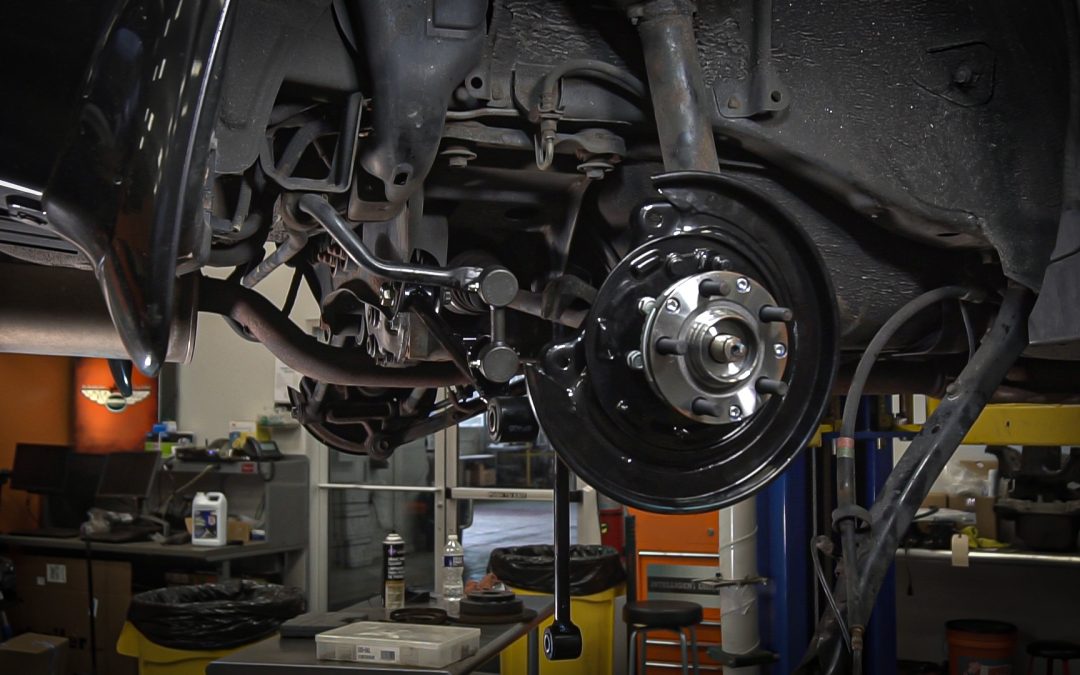
Loaded knuckles streamline wheel bearing and suspension repairs to help shops boost efficiency and profitability.

Can there be one threadlocker color to rule them all?
Participation in this forum is subject to Dorman’s Website Terms & Conditions. Please read our Comment Policy before commenting.