Customers don’t realize it needs attention. Sadly, many mechanics don’t, either.
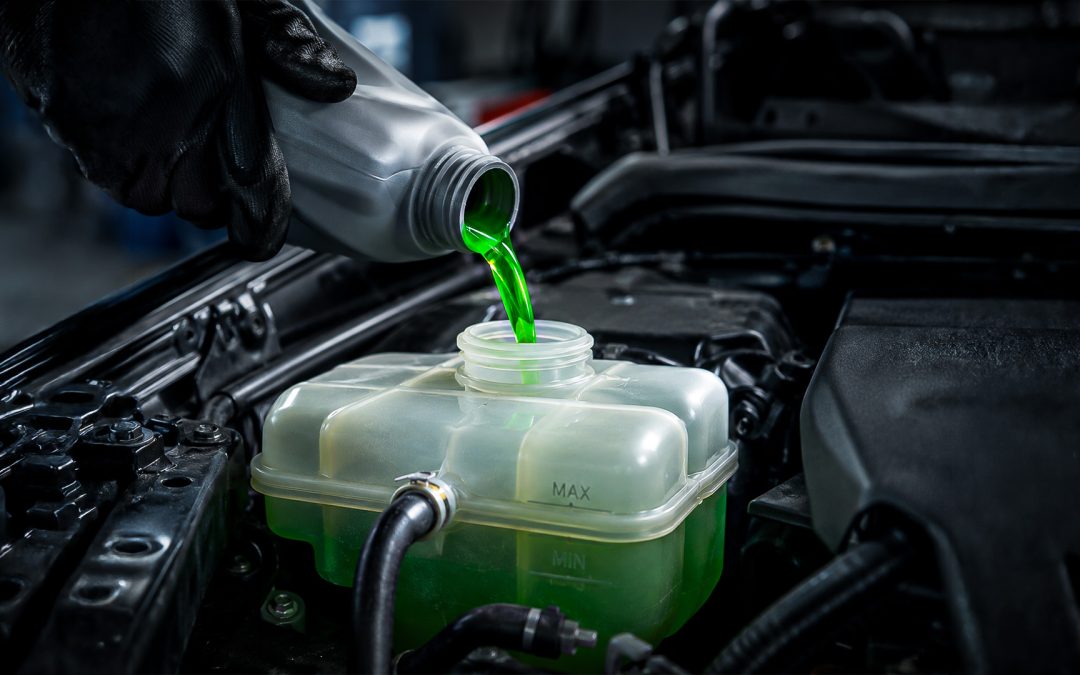
The Most Neglected Part of the Cooling System
read more



Customers don’t realize it needs attention. Sadly, many mechanics don’t, either.
Today’s article is one borne from experiences. Exasperating experiences, no less.
All novice mechaniclets are taught engines need fuel, air, spark, and compression to run. This is true, but we often take those for granted, and diagnosing even one vehicle with a basic problem that goes unchecked can take a huge bite out of your time—and with it, your paycheck and your shop’s profitability. It has been time well-spent to do a battery and charging system check on every vehicle I see, and compression checks, especially ones with good access, have moved up into the earliest steps of my own diagnostic checklist.
We tend to take these things for granted because they are easy to take for granted. It’s a crank/no-start! How could the battery be bad? Let’s just skip that for now. Or… it just ran! How could the compression be out of spec? No need to check that, either, right? Except if you’re like most normal mechanics, you don’t go back to it later.

Routine underhood checks help spot issues early. Photo: istock.com/standret.
If you check these things on every vehicle, good for you. Quit reading; you’ve been burnt at least once in the past and probably learned from it. And if you don’t? Well, today’s treatise is from a recent amalgam of vehicles that showed up. These checks caught problems right off the bat, and hopefully they serve as motivation for you to incorporate these good habits into your own “What’s going on with this one?” routine.
The first aberration for your consideration is a Class B camper van built on a late-model Mercedes-Benz Metris chassis with very low mileage. The customer stated that camper accessories would not run off the auxiliary battery. Customer states that the vehicle had a main battery installed at the dealer just the day prior, as well as a new auxiliary battery.
When removed, the second battery showed a date code from 2022 and had a touch over 6V. What gives?
Well, wouldn’t you know that a Metris comes with a battery. It also comes with an auxiliary battery, as the customer stated. And the Metris could also be ordered with an additional battery. That brings the total on-board battery count to three. This vehicle did indeed have its main battery and auxiliary battery (used for stop-start functions) replaced—but the additional battery, that runs all the stuff you’d want to use in a camper, was the one that was kaput. How did the dealer goof this up? Well, it seems easy to miss if you think about it.
Who could blame a mechanic who installed two batteries thinking the job was done, or blame a service writer for not inquiring about a third battery when the customer requested two at the counter? Three batteries on a factory-built vehicle—even one intended for upfitting—is certainly out of the ordinary, and it seems that the language of the automobile manufacturer (Additional? Auxiliary? Which one is which again?) got in the way, too.
A quick look at the wiring diagram(s) or some poking about under the seats are pretty low-tech solutions for what could have been a real headache of a problem. How long would you work before realizing something else was going on?
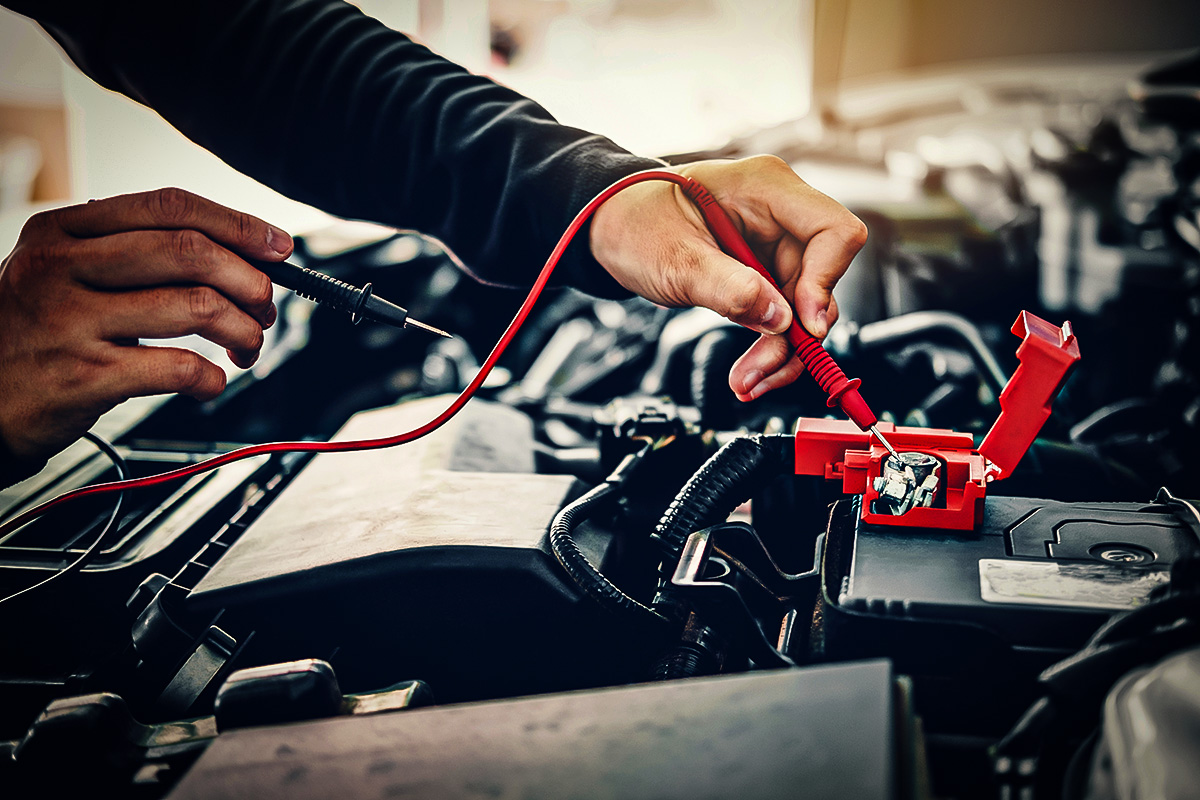
Battery and electrical testing keeps vehicles starting strong. Photo: iStock.com/Yumi mini.
This vehicle arrives with a no crank/no start condition. Customer states vehicle has a good battery that has been tested. A quick touch of the meter leads showed a battery with 141 mV. Easy-peasy, right?
Except this vehicle was dilapidated, so the compression tester came out. The customer stated the vehicle was running a few months ago. The tester showed 92 PSI across all cylinders. Book spec was 142 PSI, with 114 PSI as a minimum. A wet test yielded about 135 PSI on all holes.
A battery and further engine teardown on that bank were recommended. The customer did inquire about proceeding with making the vehicle start and run without fixing the compression problems, which would obviously be rather unwise.
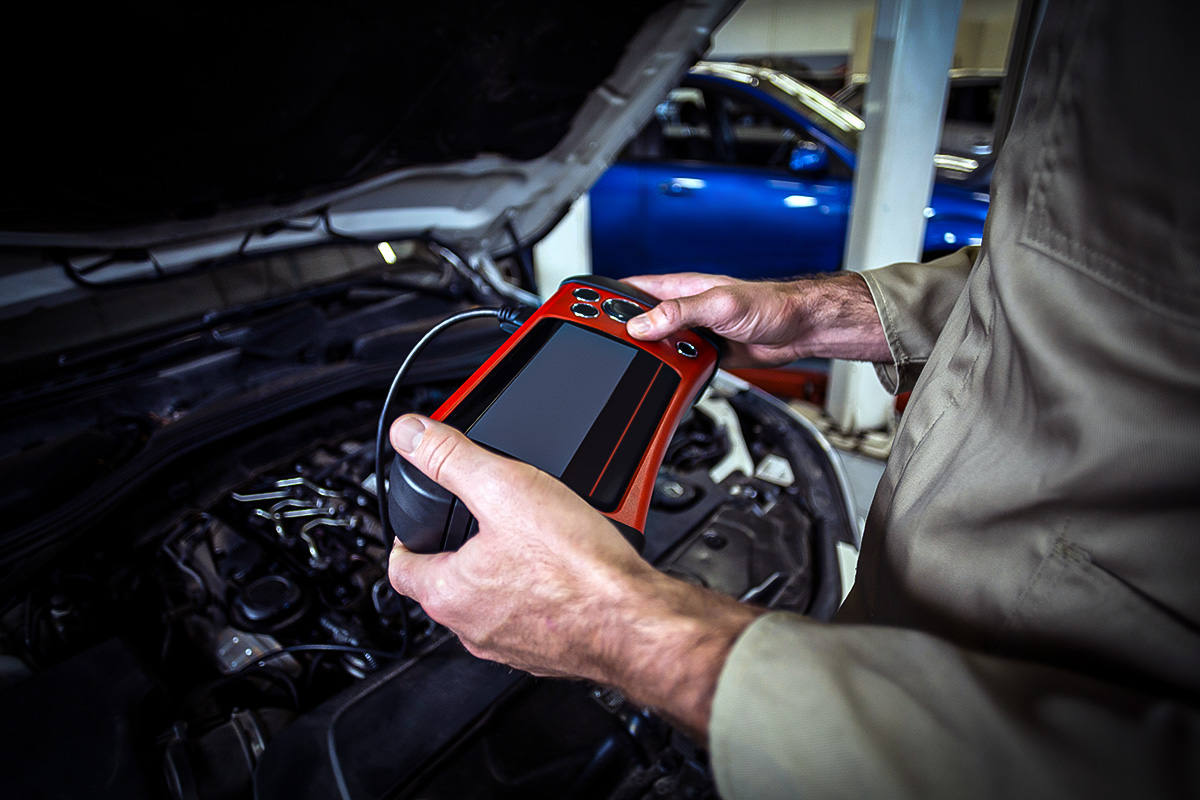
Diagnostic scans reveal faults before they become major repairs. Photo: Gustavo Fring from Pexels..
That option was presented to the customer at regular shop rate with zero guarantee. Wisely, repairs were declined. The customer also was not interested in determining what the cause of the low compression was. (Mileage was very low. There’s a high probability the head gasket had failed, coupled with some external indications of a possible leak.)
In this scenario, how long might you have worked trying to get this engine running? This question isn’t meant to be an accusation. It’s meant to make you think about how valuable the basic tests we sometimes skip really are. In this instance, even a battery would have been a wasted repair cost, assuming you had a good battery in the shop that could be used for troubleshooting. Shotgunning parts isn’t always the worst thing you can do, but here, it would have been an indefensible approach. And having a customer pay for a battery on a vehicle leaving with low compression and declined repairs is tough.
A battery health check, checking fuses, and a compression or relative compression test aren’t recommended to slow you down. In fact, they’re highly likely to speed you up overall. Don’t get caught in deep diagnoses when the simplest explanation may be the right one.
The articles and other content contained on this site may contain links to third party websites. By clicking them, you consent to Dorman’s Website Use Agreement.

Technician A argues that the 20/20 Rule captures most lab scope signals, while Technician B counters that a DSO doesn’t record signals in real time but samples and plots voltage data. Who is correct?

Technician A says the ECM’s main job is to keep emissions within certified limits. Technician B says fuel trim PIDs show corrections to fuel calculations. Who is correct?
Supplemental information to make your first rodeo a little easier.
There’s no magic bullet—but there are a few arrows you can pull from your quiver.

Technician A says an empty DEF tank can cause a no-start condition. Technician B says DEF quality should be checked when SCR faults are present. Who is correct?
Customers don’t realize it needs attention. Sadly, many mechanics don’t, either.
Participation in this forum is subject to Dorman’s Website Terms & Conditions. Please read our Comment Policy before commenting.