Customers don’t realize it needs attention. Sadly, many mechanics don’t, either.
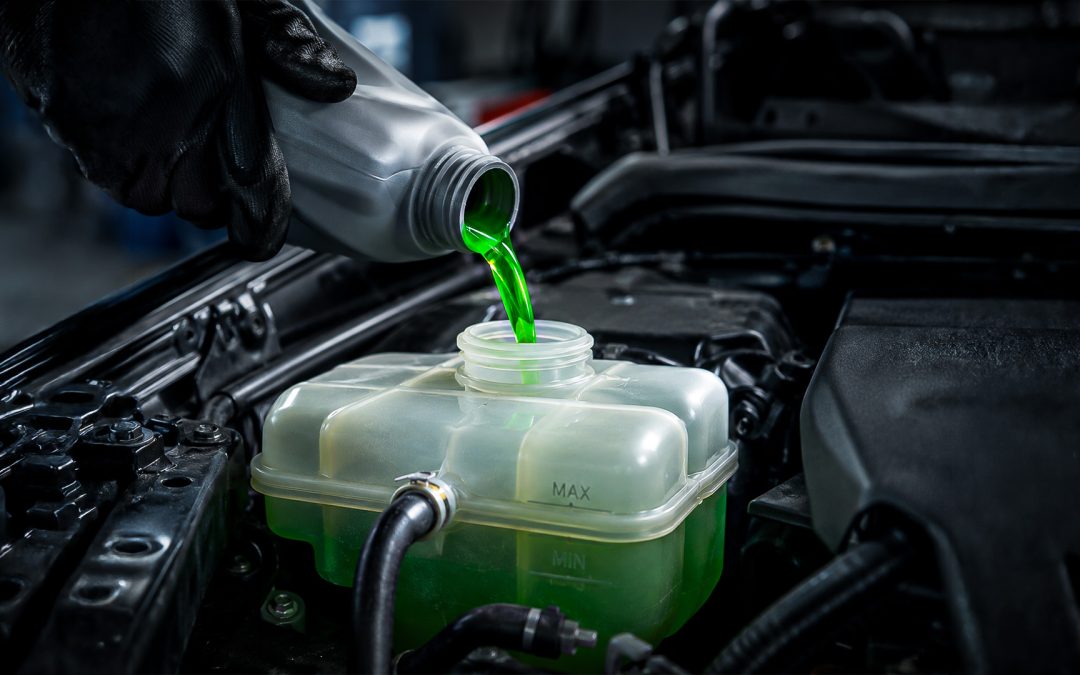
The Most Neglected Part of the Cooling System
read more



Customers don’t realize it needs attention. Sadly, many mechanics don’t, either.
You probably have an “Open” sign hanging in the shop window or door. But what if you didn’t?
Could you—and your shop—function as a shop without regular hours? The answer, like so many things in life, isn’t completely binary. Before we begin, maybe it makes sense to ask why a shop might consider an appointment-only model?
Flexibility. Efficiency. Convenience. The reasons are myriad. Closing the shop for a long weekend? Your customers won’t mind since they’ll know they need to call ahead. Tired of working into the night because parts never seem to show up quickly? No longer a problem. Overwhelmed with unscheduled LOF-and-a-state-inspection customers who decline every service recommended? Stopped cold.
Of course, the downsides are real, too: reduced car counts, no foot traffic or walk-in customers, and missed appointments all have the potential to chip away at your revenue. While there are no clear right and wrong answers, here are some factors that you can think about that might stack up to be directionally helpful in determining if changing your schedule drastically makes fiscal sense.
Walking into a general auto repair facility is a little like walking into a diner for breakfast. Even if you’re not given a menu, you know what’s gonna happen: you order coffee, then you order your eggs, then you get your check. A general auto repair visit is the same in that customers know what to expect. Come in, hand your keys to the writer, head home, get a call with an estimate, and then the bill gets paid when repairs are complete.
Specialty shops? It’s a little different. If you deal in transmission rebuilds, restoration, performance, snowplow trucks, or some other more-specialized service, you can dictate different terms because your work is a little different than the more-generic “dropping the car off for an oil change” routine most customers know. If you specialize in heavy engine work or swaps, there’s little reason to have a body standing at the counter; your weekly bay turns may be single digits even on great weeks.
Most importantly, if you don’t do everything (maybe you’ve got a muffler shop or cater to front-end work or tuning), an appointment-only model allows you to explain the things you can and cannot do to a potential customer without the inconvenience of showing up to find you can’t or won’t perform the work requested.
If you largely handle tire repairs and fluid exchanges, it’s a little easier to keep your shop staffed up. For deeper diagnostic work, however, you may have trouble staying fully-staffed at all times, and you may also find retaining super technicians is easier when you can offer a flexible schedule. If you think the future looks a little grim, you may also feel that potential technician shortages will force shop organization to be a bit different across the industry.

If you have a small showroom and limited parts space, you may need to have parts delivered either by way of a local hotshot delivery service or by traditional logistics carriers rather than using parts on your shelf. Having parts on hand before you begin can help you work more efficiently. This is closely related to the number of bays and technicians you have. If you only have one or two bays, tying up the lift with a car that may be suddenly immobilized for days if a job goes sideways may well throw off all your scheduled work. You will be left scrambling to catch up. And of course, business capital is freed up as it’s not been spent on belts and filters and white-box front end parts collecting dust.
If you have an appointment model, it allows you to schedule in a “temporal cushion” for those issues if you don’t have the real estate to do so. Similarly, if you are currently forcing techs to work in a dead bay, from jacks, or outside, you may make their work more palatable by scheduling what could be the same amount of work in a similar fashion, only allowing the convenience of working off the rack.
Of course, a shop with more bays needs more opportunities for repair including walk-ins. Shop owners often select shops with more bays than anticipated work might support precisely to sidestep this issue. However, the cost of buying or renting that shop increases as well, so the idea of every job being scheduled ahead of time may not make as much sense in that scenario.
If your garage is in a rural area and you’re either on a set route from your parts supplier and/or the nearby dealers or parts are not delivered to you hot-shot as mentioned above, it stands to reason there’s probably not a bunch of competing shops nearby. Customers in these areas are often accustomed to scheduled repairs and are willing to work with a shop that operate in this fashion.
Similarly, if your shop is out of the way, maybe in an industrial park or without great road frontage, the concept of walk-in customers may not really exist. In that case, you may not be losing lots of business by keeping the lights off when no one is home.
Do you own or rent your shop? Do you own it outright? If you rent it or own it with a mortgage, it’s a little harder to embrace the idea of turning off the lights and locking the door. In addition, some leases prevent you from going dark and require a minimum number of hours open. If, however, you own the building and it’s paid off, your fixed costs are dramatically lower. If you actually wrenched yourself to put the money in the till to pay off that building, you’ve probably been in the game for a while—and might be looking to get out.
In that case, rather than simply selling your business or just closing it, shifting to appointment-only may allow you to gently wind down your business. Many dedicated owners would prefer to continue service for existing customers without taking on new ones while also maintaining a reduced income, rather than turning that revenue off like a spigot. And it’s also possible to rent out your unused bays. Heck, you could even sell the bricks and rent a bay or two back from the new owner—just like you probably did when you started out.
Only someone intimately involved in your business can decide if a non-traditional approach to vehicle repair is right for your technicians, and your company. In many cases, the drawbacks and the benefits are different, but not always unwelcome. Think it over—a fresh approach isn’t always the right move, but a fresh outlook almost never hurts.
The articles and other content contained on this site may contain links to third party websites. By clicking them, you consent to Dorman’s Website Use Agreement.
Customers don’t realize it needs attention. Sadly, many mechanics don’t, either.
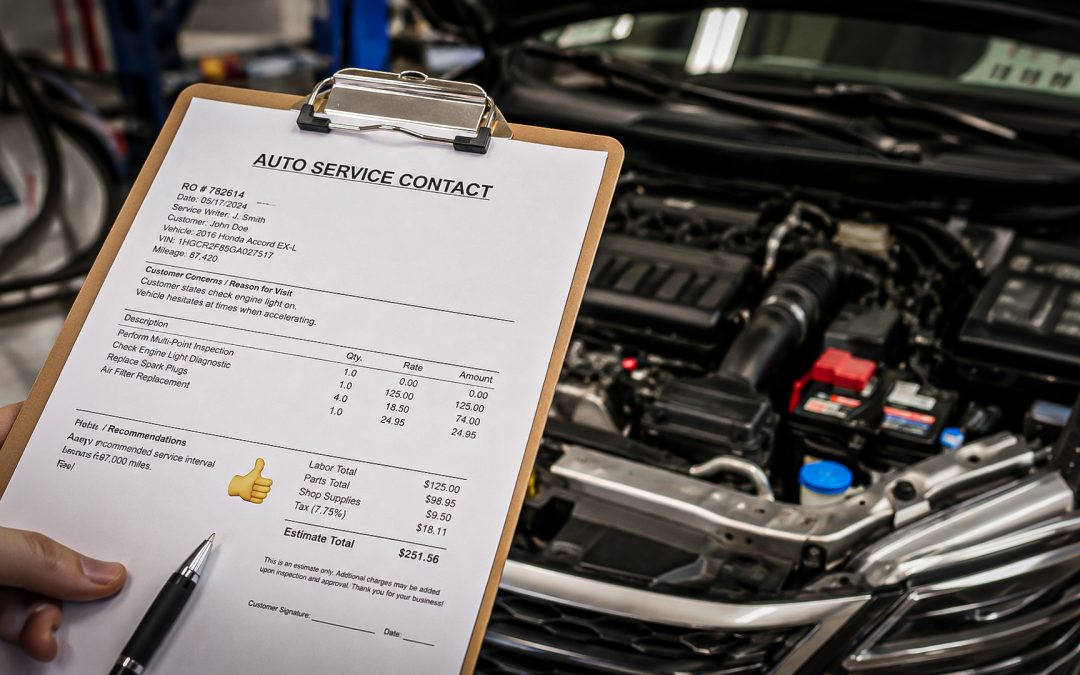
Casual communication can have formal consequences.

If you have to have them in the shop, endeavor to make politics polite.
Real estate is an investment—make yours start earnin’.

Don’t try to (needlessly) upsell me.

Techs can’t solve the problem that can’t be found
Participation in this forum is subject to Dorman’s Website Terms & Conditions. Please read our Comment Policy before commenting.