Casual communication can have formal consequences.

When Selling a Job, Get It In Writing (Not an Emoji)
read more



Casual communication can have formal consequences.
Sure, we get the occasional hard-to-bleed system or the heater core that’s buried. But for the most part, the work is straightforward plumbing. And selling the stuff is easy! Even the most price-conscious customer realizes that putting tired old hoses onto a new radiator or trying to save some money on hose clamps is penny-wise and pound-foolish. And if you’re an experienced writer or tech, you probably quote out thorough jobs with all the fixin’s: hoses, clamps, OEM-spec coolant so the system has the proper additives, radiator cap—all so a customer doesn’t get stranded.
But you’re probably missing something: the coolant bottle.
Reservoir. Puke bottle. Expansion tank. Catch can. Degas bottle. You may or may not use some or all of these terms and you may hear them casually. But a quick walk through auto history can give us a few distinct periods and help one know what a given vehicle uses and if you should recommend replacement.
In the old days, the radiator wasn’t even pressurized. The rad didn’t get filled to the top. Instead, liquid coolant heated up and expanded, filling the space. If it was too full, the radiator pushed coolant out of the unpressurized radiator onto the ground. In fact, that was the “correct” way to set the level—overfill a little bit and let the vehicle “find” its own level. No bottle there! On really scorching days, you’d see a truck or car ejecting a little coolant that wasn’t pushed out in cooler temps.
You may occasionally see a catch can—basically a bottle for that hose, which is still a one-way system. Later on, we move into the realm of the surge or expansion tank, where that hose moves to the bottom of the reservoir and is kept covered in coolant so as the car cools, it can suck the coolant back into the system. And finally, we land on a common system in use today, where packaging constraints and polymer advancements promote fully pressurized coolant tanks that are in effect integrated right into the coolant system and working at the same pressures as the other components.
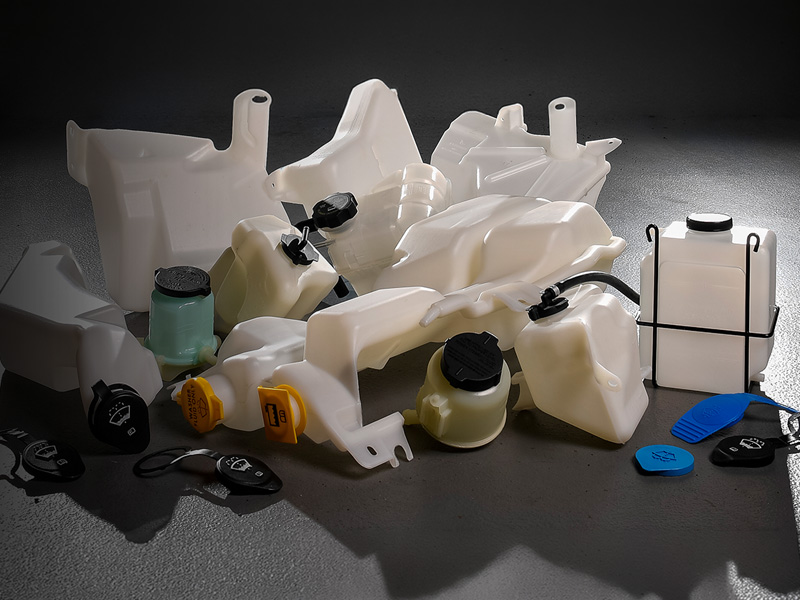
Photo: Mike Apice.
Bear with me here. Obviously if there’s just a drain tube on some antique, you don’t need to recommend a coolant bottle—but you could, if you know enough to ask the owner if it ever weeps coolant on a hot day.
If there’s a catch can or an expansion tank in sight, know those occasionally need replacing since acidic and dirty coolant can etch or stain the plastic tanks. But you’ve shone your work light through one well enough to get a level, and unless the tank is filthy, this isn’t really a make-or-break situation.
But with a degas bottle? You gotta assess that thing. Sure, it looks like the low-stress bottles of yesteryear, but it is not. The bottle is polymer of some sort. It gets weak as heat cycling, the coolant itself, and various other automotive fluids take their toll. Remember, even in the wintertime, a coolant bottle might go from sub-freezing temperatures to ones in excess of the boiling point multiple times a day. In the same vein, if the coolant is on the weak side, it’s completely plausible that a very full bottle could crack.
It bears exactly as much pressure as the rest of the system, but doesn’t have the flexibility of the rubber hoses nor the structural rigidity of the (mostly) aluminum radiator (and its accompanying rubber gaskets). Nope, it’s just a big blob of hollow thermoset just waiting to crack.
Of course putting a new rad cap on an old tank is a little silly. If you work at an indie shop, you aren’t seeing cars until they’re out of warranty. Let’s be honest; seeing a 15- or 20-year-old car on the road or in a bay isn’t even noteworthy. Hoses and rads have gotten so good; a customer often doesn’t think about them or change them until a more major component like a rad goes south, and a smart writer (you!) encourages a full system overhaul. So why leave a vintage coolant expansion tank in place? Odds are good that even the newest car in your bay has a bottle that’s five years old. At that age it might be fine, but at ten or fifteen years? Really look it over. Examine the mounting points, too: hard-mounted units often crack and ones mounted on rubber isolators usually appreciate fresh rubber, even if the bottle can be reused.
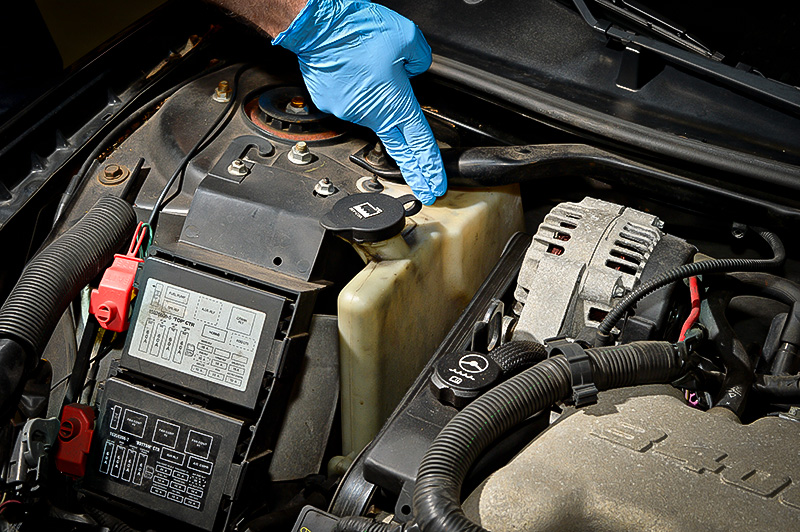
Photo: Mike Apice.
Perhaps the most compelling reason to assess and recommend degas bottles more often is that their cost (even with the labor) is usually less than a tow bill. And if the stinkin’ thing fails catastrophically, this isn’t the iron-block-and-iron-head heyday of the ‘70s: your custy ain’t limping a DOHC turbo grocery getter with an aluminum 16V head home undamaged. So that means he’s in for the tow bill and the coolant bottle that just shot craps—and you’re on the hook for not recommending it. Just pray the car got shut down or your motorist used the little radiator before overheating.
Pad your estimates with room for this bottle; back it off if you find one in nice shape still hanging out under the hood. Being armed with some of the rationale in this article should make this critical part as easy a recommendation as it actually is for techs and writers alike.
The articles and other content contained on this site may contain links to third party websites. By clicking them, you consent to Dorman’s Website Use Agreement.
Casual communication can have formal consequences.
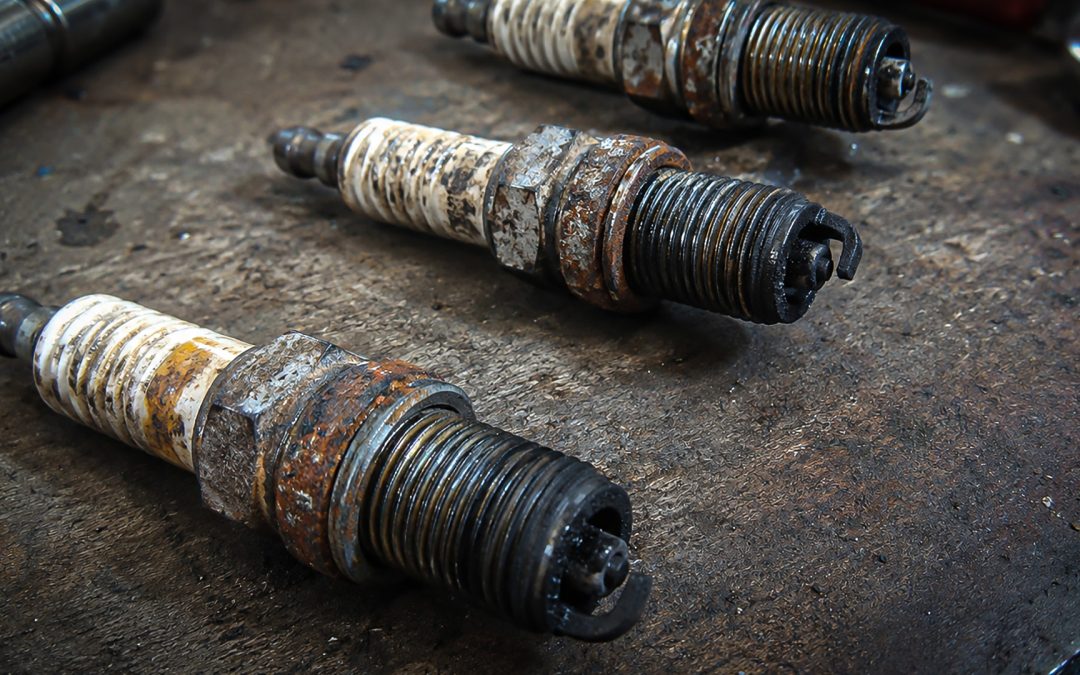
We don’t think much about spark plugs unless we think they’re the cause of a misfire concern, do we?
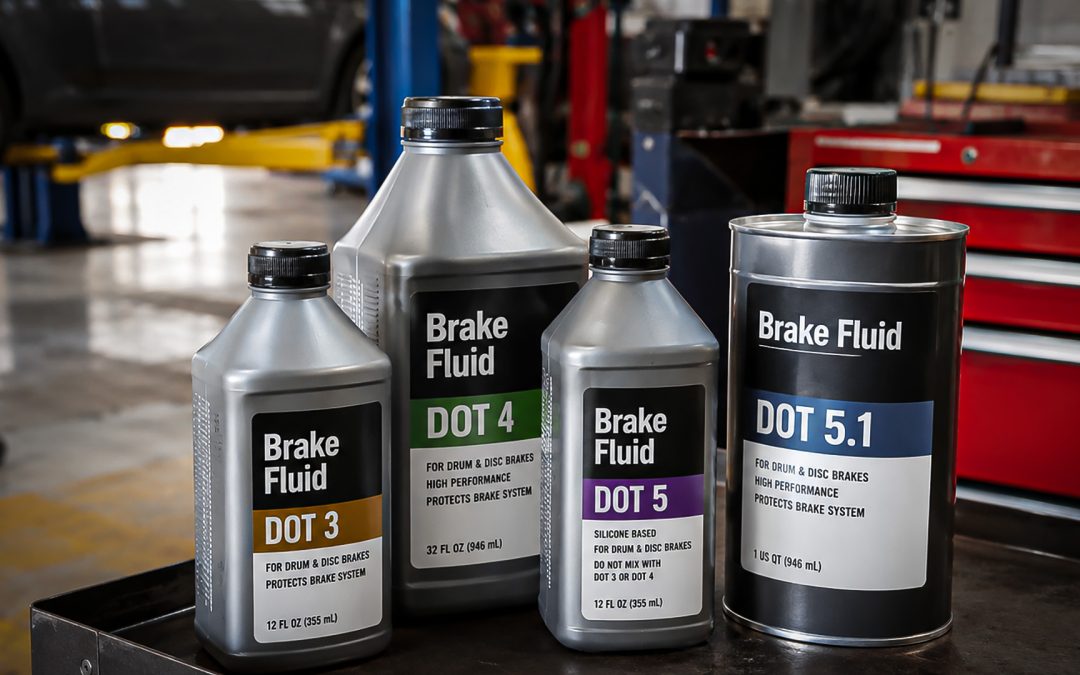
Well, that’s straightforward. But why?

Proper cooling system maintenance goes beyond time and mileage, requiring technicians to evaluate coolant condition, additive depletion, and the root causes behind cooling system issues.

Technician A says other codes should be diagnosed before replacing the converter for a P0420 code. Technician B says an upstream exhaust leak can trigger the code. Who is correct?
Cylindrical? Not really.
Participation in this forum is subject to Dorman’s Website Terms & Conditions. Please read our Comment Policy before commenting.