Customers don’t realize it needs attention. Sadly, many mechanics don’t, either.
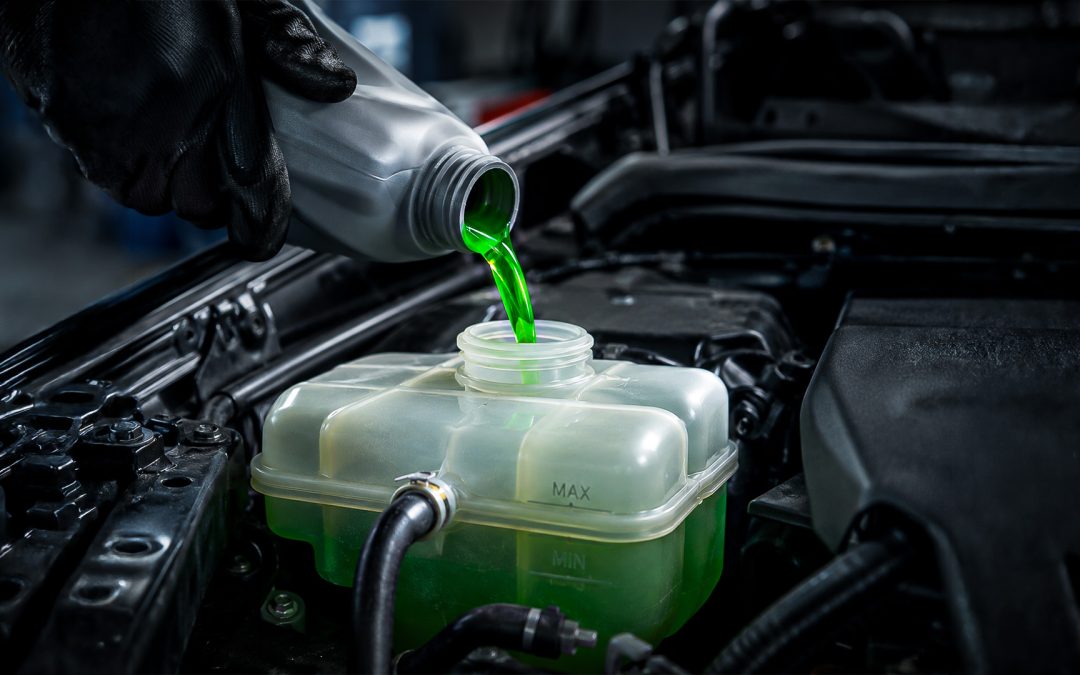
The Most Neglected Part of the Cooling System
read more



Customers don’t realize it needs attention. Sadly, many mechanics don’t, either.
In the days of carbureted engines, mechanics would always take a moment to examine the spark plugs they were replacing as part of a routine tune-up. The plugs often provided valuable information as to how well the engine was performing and whether there were any serious issues to investigate.
Today, with electronic control units managing the engine’s operation, reading spark plugs doesn’t seem as important as it once was. Spark plugs, after all, are not replaced at the same intervals as they were way back when. But that doesn’t mean that the stories they tell should be ignored.
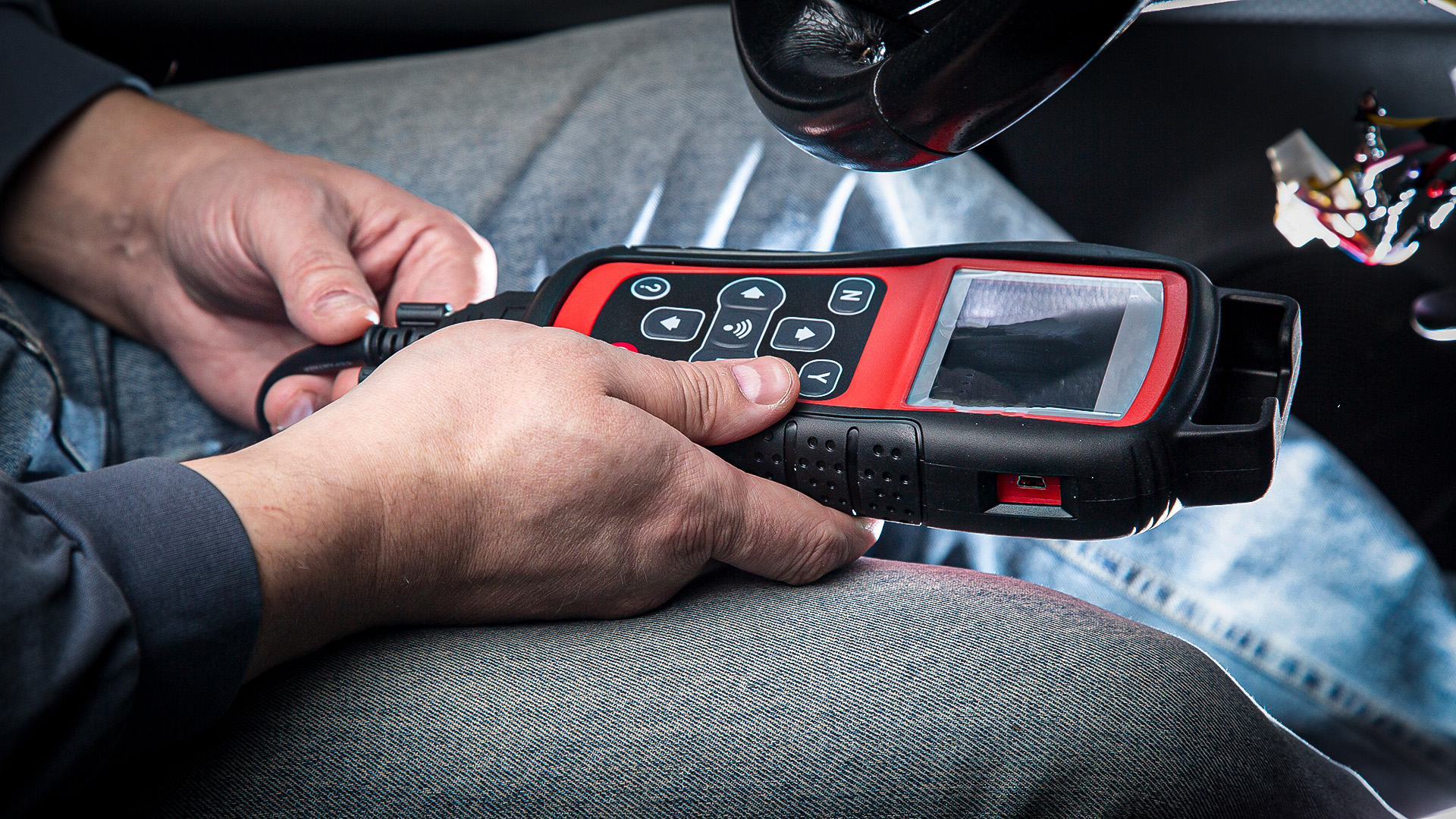
By breaking down the structures used to create DTCs, you can learn how to “decode” beyond the simple descriptions presented by a scanner.

Technician A completed a compression test, noting high readings suggest an exhaust restriction, while Technician B says the test checks volumetric efficiency.
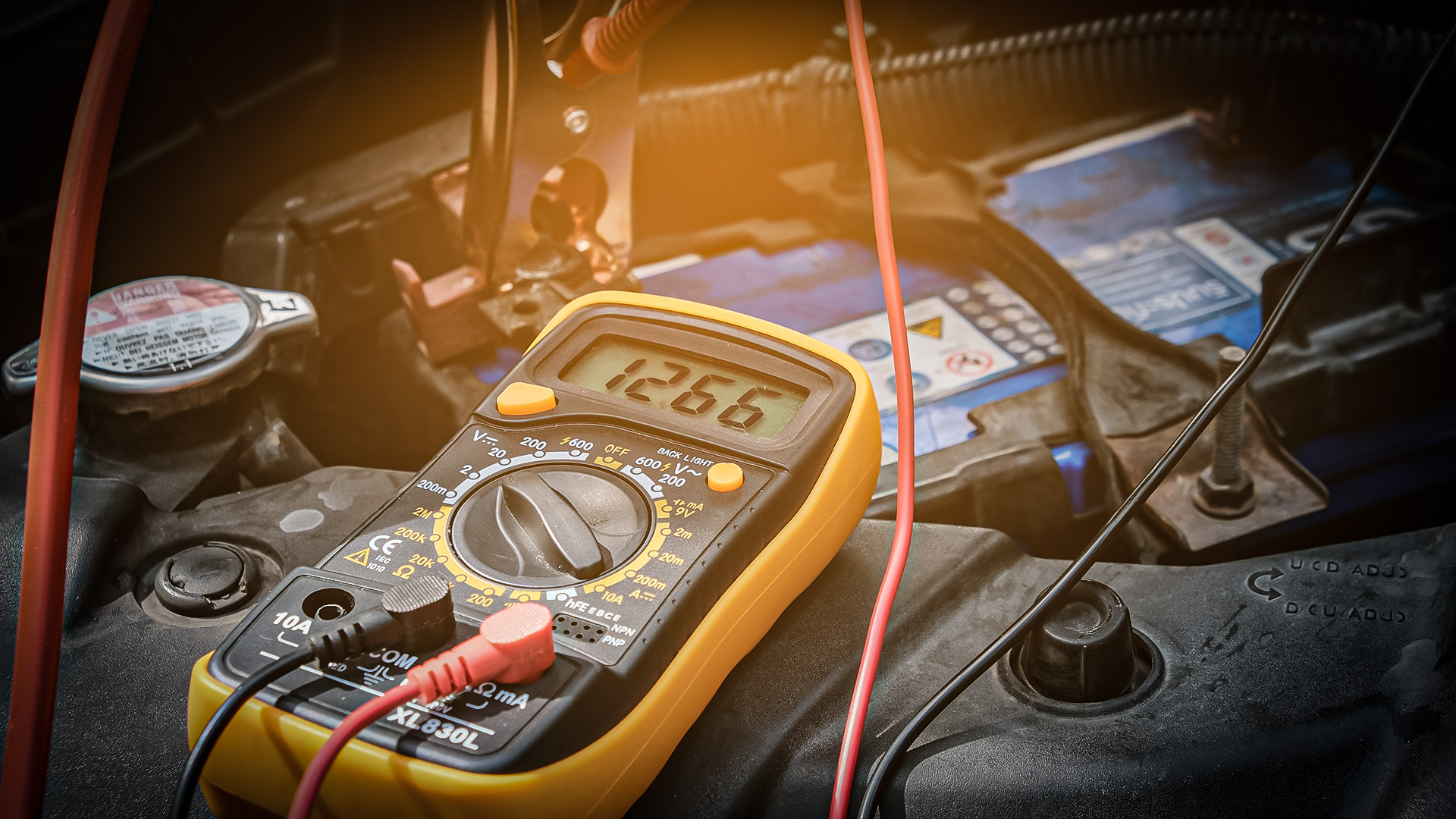
Many high-end scan tools come with a capable digital storage oscilloscope. Time to put that tool to work.

Technician A and Technician B are discussing ways to use fuel trim as a troubleshooting aid. Technician A says that fuel trims that are correcting for a lean condition at high RPM and load conditions indicates a problem in fuel delivery. Technician B says that this condition is caused by a vacuum leak.

Technician A is diagnosing a misfire. He states that a misfire is caused by a fault in the ignition system and that new plugs and coils will repair the problem. Technician B says that a misfire is detected when the ECM detects a variation in crankshaft speed.
The articles and other content contained on this site may contain links to third party websites. By clicking them, you consent to Dorman’s Website Use Agreement.
Participation in this forum is subject to Dorman’s Website Terms & Conditions. Please read our Comment Policy before commenting.