Do you favor margin or revenue?

Is an Appointment-Only Shop Schedule Wise or Madness?
read more


Do you favor margin or revenue?
In this article, we’ll dive into a practical approach to calculating CODB, how it can help you make smarter business decisions, and why it’s a critical metric for achieving profitability. I’ll be using generic numbers in the examples that follow, since shop labor rates vary widely.
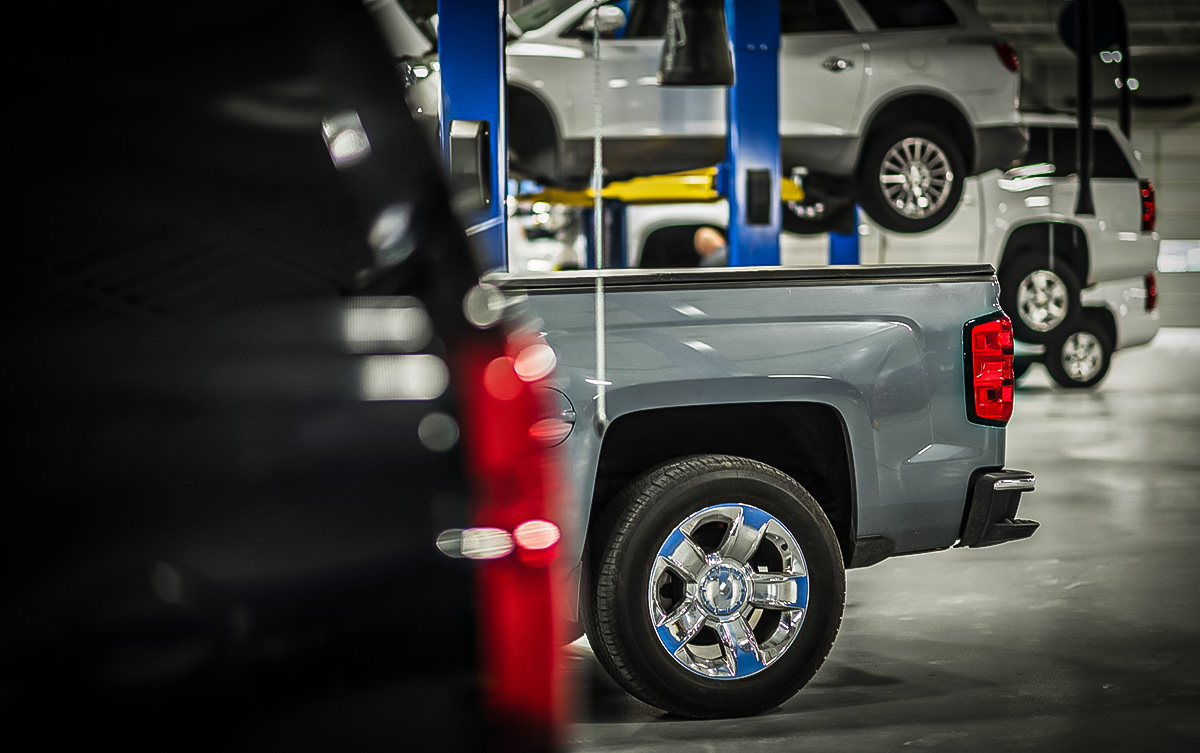
CODB represents the fixed expenses that your shop incurs whether you’re fixing vehicles or not, and they must be covered before your shop can begin making a profit. Understanding your CODB allows you to better assess your shop’s financial health and help ensure you are setting your prices and revenue goals appropriately to stay profitable.
If you don’t track and understand your CODB, you risk operating your business in the dark, which could lead to missed opportunities for growth or, worse, financial trouble. Calculating CODB isn’t difficult if you follow these simple steps:
The first step is to calculate the number of labor hours per year your shop is open. This is simple—just multiply the number of hours per day by the number of days per year a typical shop is operating. That’s 2,080 hours per year (eight hours per day x five days per week x 52 weeks).
But we also need to account for holidays when the shop is closed. For this example, we’ll say that’s another five days annually–one day each for Thanksgiving, Christmas Eve, Christmas, New Year’s Day, and Independence Day. Accounting for those five days, we’re left with a net total of 2,040 hours.
That number will vary, of course, depending on your shop’s paid leave policies, but let’s stick with it for this example.
Now that we know how many actual hours our hypothetical shop is open for business, it’s time to look at the shop’s annual expenses. These are the expenses required to keep our shop running, whether it’s open for business or not. A few obvious examples of fixed expenses include:
After you’ve totaled a complete list of all annual expenses, you can move on to the next step.
With your total fixed expenses in hand, it’s time to calculate your Cost of Doing Business (CODB). The formula is simple:
What does this mean? It means that, just to cover your basic operating expenses, your shop needs to generate $200 in revenue for each hour it’s open, regardless of whether or not technicians are working, parts are being sold, or other services are being billed.
Once you’ve calculated your CODB, the work doesn’t stop there. Managing the financial health of your shop requires continuous monitoring and adjusting of your numbers. By using a spreadsheet or accounting software, you can easily track your expenses, revenue, and CODB over time.
With this tool, you’ll be able to adjust your pricing, labor rates, or other business practices to ensure that you’re always covering your costs and maximizing profitability. For example, if your shop is running efficiently and expenses stay steady, you may find room to increase labor rates or even reduce certain overhead costs.
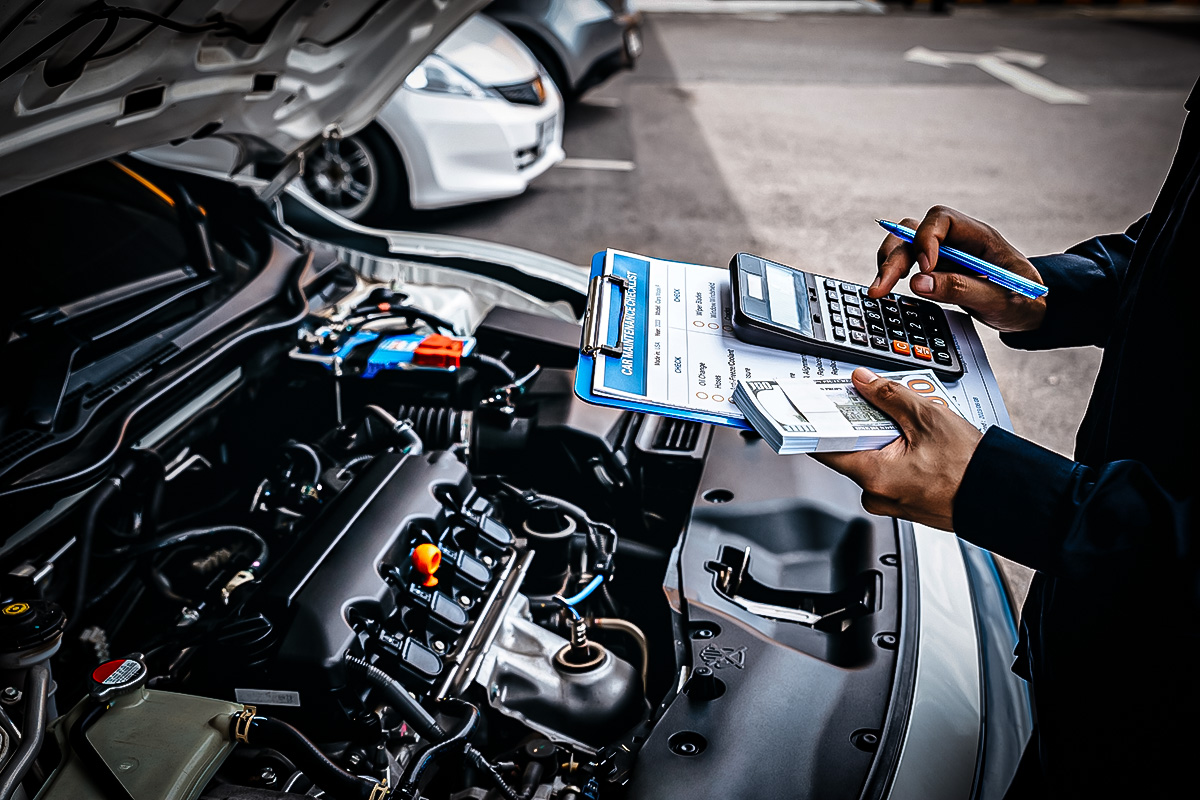
Calculating CODB is one of the most important financial exercises you can do for your auto repair shop. It provides clarity on how much total revenue you need to generate per hour just to cover your expenses and helps ensure that you are pricing your services accordingly. Without this knowledge, it’s easy to fall into the trap of underpricing services or mismanaging your overhead. It’s a simple tool that can help you make smarter decisions about pricing, employee costs, and other operational aspects of your business that can contribute to profitability—and your shop’s future success.

Ron Ananian has been the owner of R/A Automotive in New Jersey since 1978. His radio show, “Ron Ananian, The Car Doctor,” (www.cardoctorshow.com) is syndicated in 200 markets. The podcast of the show is available on all major streaming platforms.
The articles and other content contained on this site may contain links to third party websites. By clicking them, you consent to Dorman’s Website Use Agreement.
Do you favor margin or revenue?
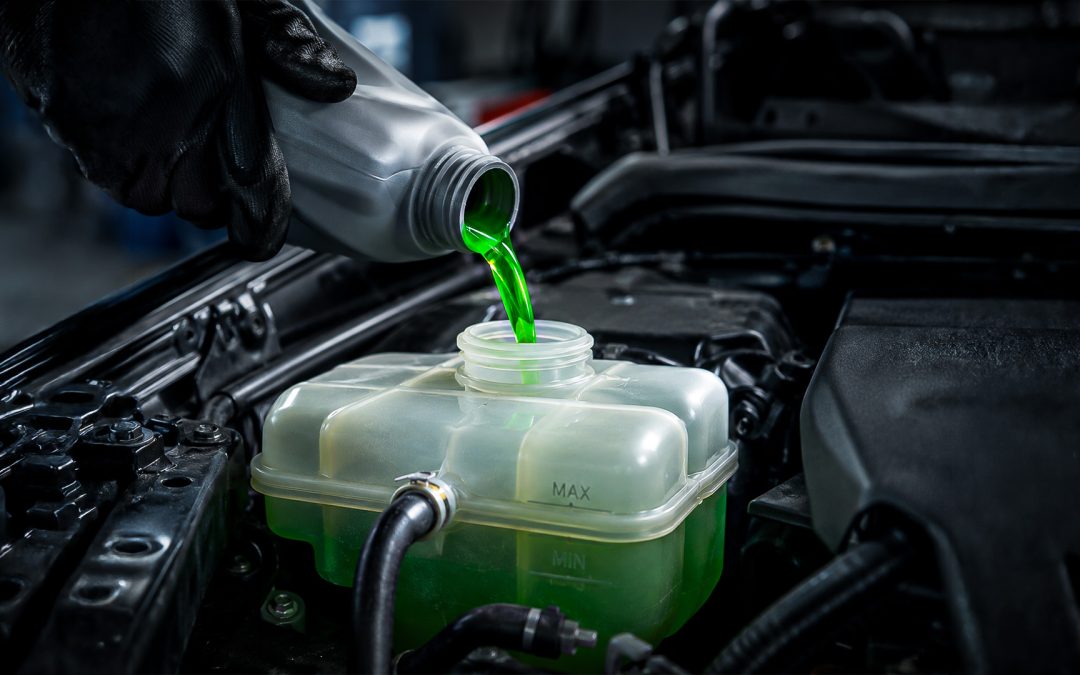
Customers don’t realize it needs attention. Sadly, many mechanics don’t, either.
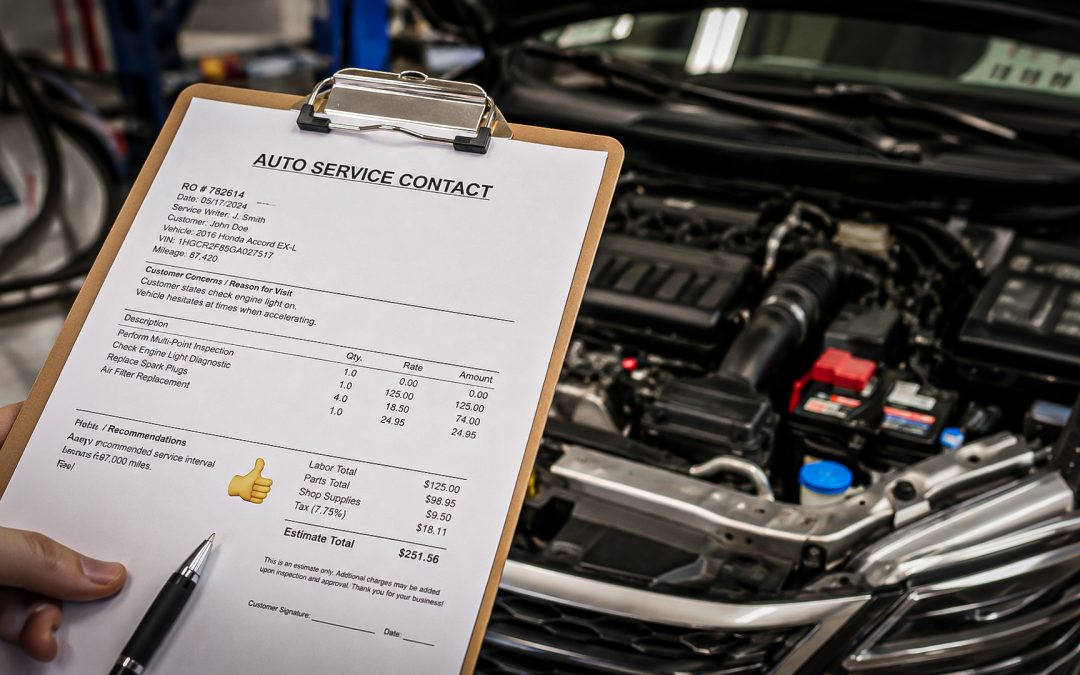
Casual communication can have formal consequences.
If you have to have them in the shop, endeavor to make politics polite.
Real estate is an investment—make yours start earnin’.

Don’t try to (needlessly) upsell me.
Participation in this forum is subject to Dorman’s Website Terms & Conditions. Please read our Comment Policy before commenting.