Do you favor margin or revenue?

Is an Appointment-Only Shop Schedule Wise or Madness?
read more



Do you favor margin or revenue?
Average vehicle weights in the United States have steadily increased since the mid 1980s, driven by sustained consumer demand for vehicles with more power, features, and room. Hybrid and electric vehicles can be especially heavy with their batteries and motors, sometimes resulting in weights far beyond equivalent ICE vehicles. Take the Tesla Model S, for example, at 4,766 pounds. It might be the shape of a sedan, but it weighs about as much as a half-ton pickup. The trend toward heavier vehicles shows no sign of slowing down. Is your shop prepared for this?
If your shop relies on older lifts, or modern lifts with lower weight ratings, then you’ll want to check some late model vehicle weights against your lift’s rating before attempting to raise them. For example, a new Lexus LX SUV weighs 6,000 pounds. Make a habit of checking a vehicle’s weight on the label that should be inside the driver door jamb.
Electric SUVs are especially dense. The Mercedes-Benz EQS-Class, the BMW iX, and the Audi e-tron tip the scales at over two and a half tons. Trucks haven’t escaped the trend, either. GMC’s Hummer EV clocks in at a staggering 9,063 pounds. This is significantly more than a one-ton truck. There’s a good chance that not every lift in a shop can pick the Hummer up safely—maybe no lift at all, depending on the shop. Ford’s F-150 Lightning electric pickup weighs a claimed 8,250 pounds. Would you ever expect a stock truck wearing an F-150 badge to weigh more than an F-350?
This trend also means it’s more important than ever to keep up with your regular lift maintenance. The lift’s weight rating should be clearly posted, and technicians should be fully aware of its limits. If you have a variety of lifts and weight ratings in your shop, your foreman or service manager can help to keep your techs safe by ensuring that heavier vehicles go to bays with the strongest lifts. Don’t forget to check the weight ratings on your floor jacks and jack stands, too. Jacks can be especially deceiving, with some manufacturers advertising the tonnage that both jacks would support together instead of the rating for each jack individually.
Don’t let a vehicle’s looks or size deceive you. EVs, hybrids, and even standard cars and trucks can hide a lot of bulk. And you’ll want to know about it before working underneath.
The articles and other content contained on this site may contain links to third party websites. By clicking them, you consent to Dorman’s Website Use Agreement.
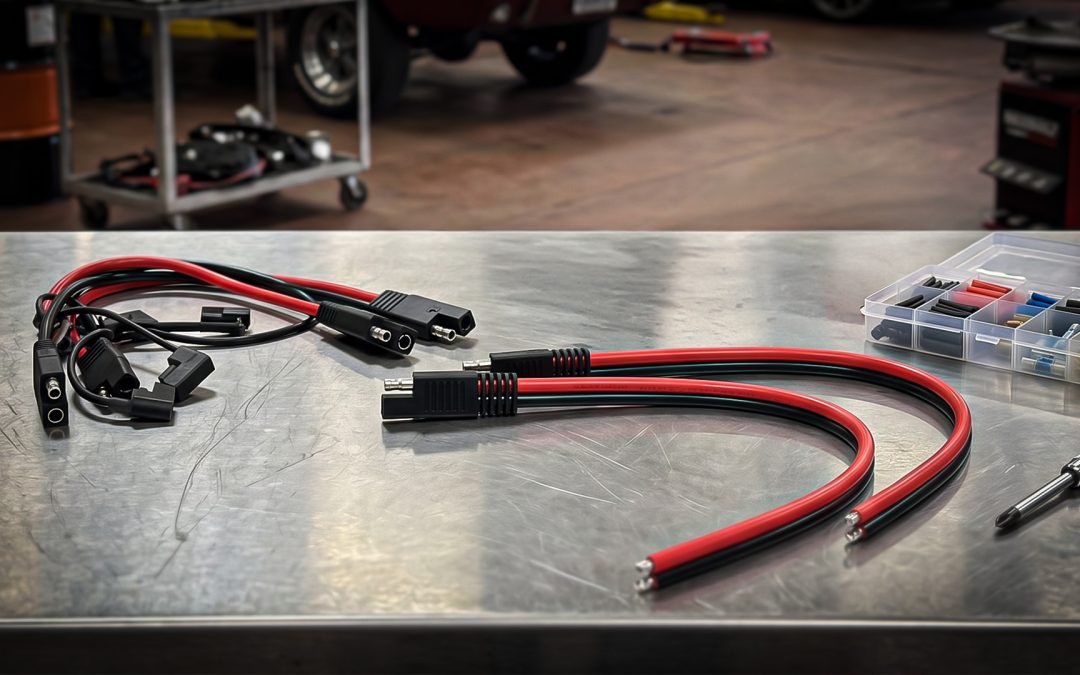
Ostensibly simplistic for casual users, the SAE plug is often an accident waiting to happen.
If it ain’t broke, don’t try to fix it.
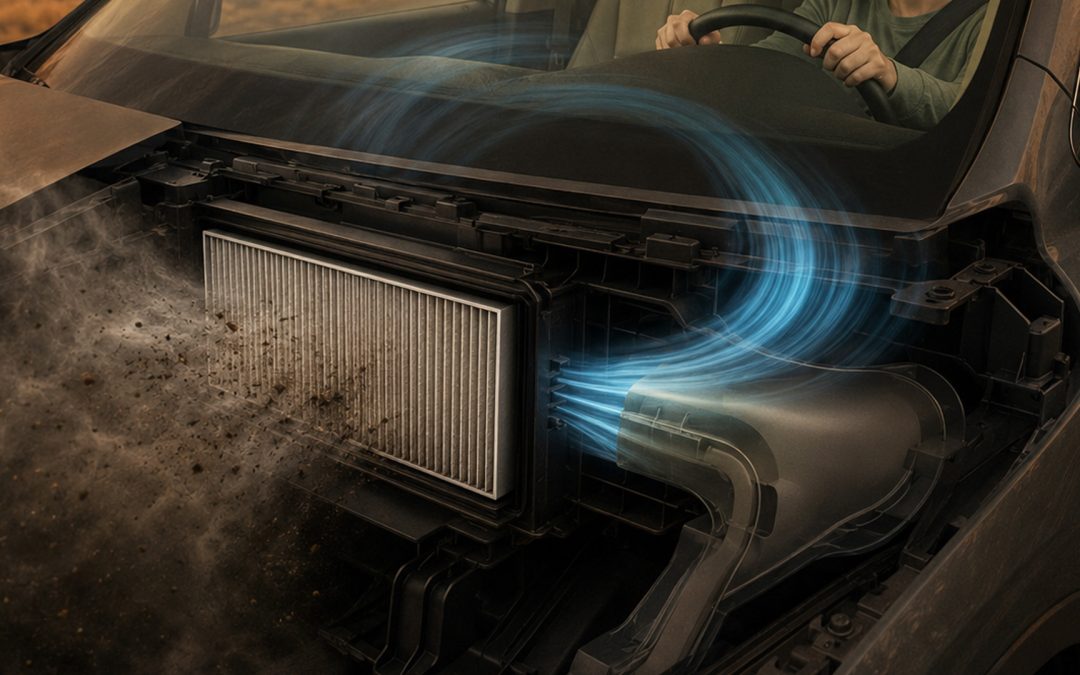
Can a vehicle’s air filtration help keep you safe from wildfire smoke and poor air quality?
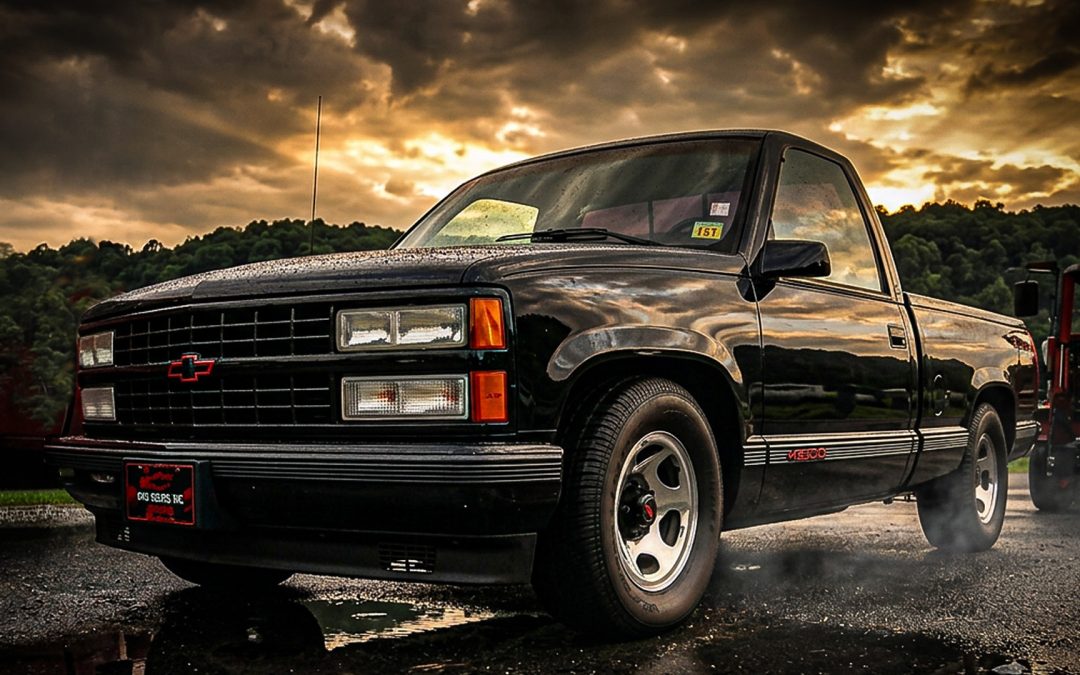
The 454 SS combines the time capsule looks of the GM GMT400 platform with an entertaining drive that harkens back to the muscle car heyday.

Spoiler alert: yes!

Pocket check!
Participation in this forum is subject to Dorman’s Website Terms & Conditions. Please read our Comment Policy before commenting.