Customers don’t realize it needs attention. Sadly, many mechanics don’t, either.
The Most Neglected Part of the Cooling System
read more



Customers don’t realize it needs attention. Sadly, many mechanics don’t, either.
On a chemical level, octane is a hydrocarbon consisting of eight carbon atoms and 18 hydrogen atoms. At room temperature, it is a clear liquid with a noxious odor that is toxic and burns easily. Octane occurs naturally in petroleum, but it is mainly created while refining crude oil. The exact discovery of octane is hard to pin down, although scientists were aware of it by the turn of the 19th century.
Octane helps prevent uncontrolled ignition of the air/fuel mixture inside the combustion chamber during the compression stroke. When the piston compresses the air/fuel mixture, extreme heat is generated, so much so that the mixture can ignite on its own. This is called pre-ignition, also known as a form of “knocking”, which sounds exactly as the name implies.
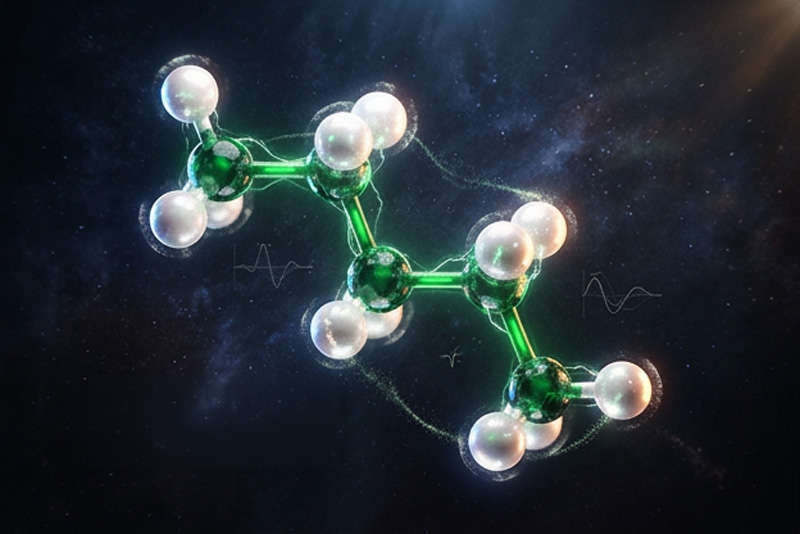
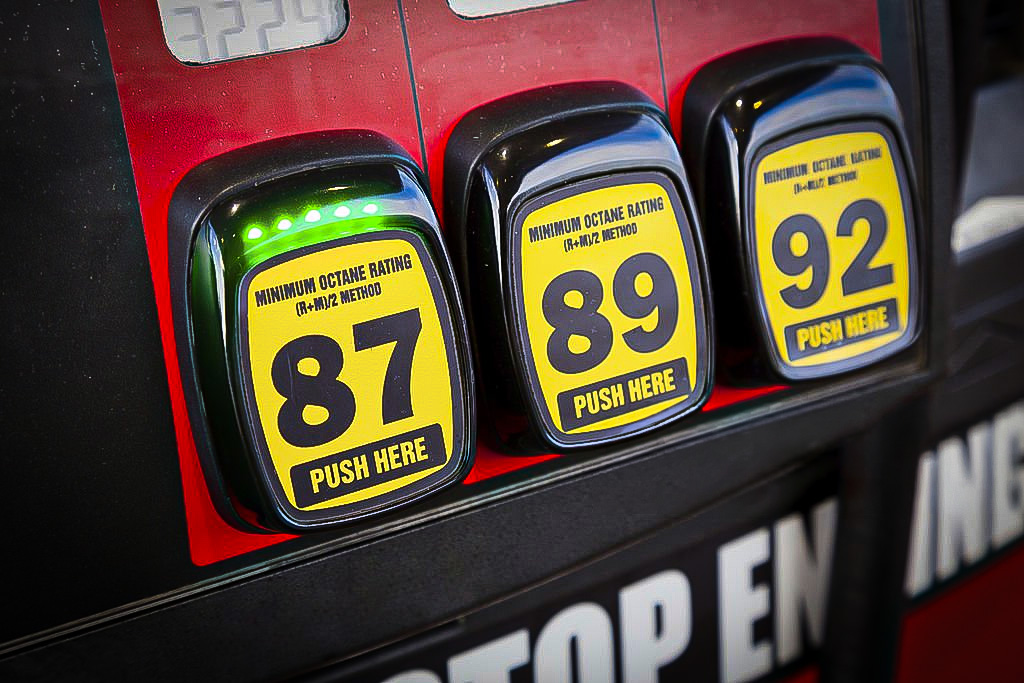
You are probably familiar with the octane rating stickers when you fuel up, but what exactly do they mean? Octane ratings are based on the properties of two chemicals: iso-octane and heptane. Iso-octane has excellent anti-ignition properties and sits at the high end of the octane scale as 100. Heptane, on the other hand, is more than willing to ignite under the slightest provocation, setting it as a 0 on the octane scale. Octane rating is based on how a fuel reacts when compared to a mixture of these two chemicals. For example, mixing 87% iso-octane with 13% heptane creates an 87 octane rated mixture. This is the reference point used to compare against how the actual gasoline behaves. By mixing gasoline with other additives, chemists can make it behave the same way as the octane reference point.
To be clear, how the iso-octane and heptane mixture behaves is what determines the octane rating, not the actual ratio amount of iso-octane and heptane. An 89 octane rated fuel will behave like a mixture of 89% iso-octane with 11% heptane, even though it is made up of a mixture of more than just those two chemicals.
You have probably seen fuels with octane ratings above 100, especially if you live near a race track. These are typically specialized fuels used for airplanes and race cars. In these cases, the octane rating isn’t based on the ratio of iso-octane and heptane, but on how well the fuel resists pre-ignition in testing. By using different additives, it is possible to create anti-ignition characteristics greater than even pure iso-octane. These are special-use fuels that are much more expensive than other common road fuels.
The biggest factor that determines an engine’s octane needs is the compression ratio. Higher compression engines are more prone to having the air/fuel mixture ignite on its own from high temperatures. Engines that rely on forced induction like supercharging or turbocharging have a denser air/fuel mixture entering the combustion chamber, also making it more prone to pre- ignition. Forced induction pressure can vary to ease the potential for pre-ignition.
Ignition timing is also a factor, but it can be changed while the engine is running to help stop pre-ignition. Hotter running engines are also more likely to have pre-ignition occur. This is also true for engines that are worked hard under a constant load where heat builds up.
In the past, this was an absolute yes, but modern technology has made engines a little more forgiving. Back when carburetors and ignition points ruled the world, high-performance engines required higher octane fuel in order to survive. But modern engines have a whole host of tricks to manage a range of octane levels. If the owner’s manual states that the engine must use premium (typically 91 octane or higher) fuel, then follow those directions. But the owner’s manual may instead state “for best performance use XX octane fuel” while also stating that regular 87 octane will work just fine.
Most modern engines use direct fuel injection. If you’ve ever stood under a fine water mist on a hot day you know how refreshing it can feel. The same physics that cools your skin also cools the combustion chamber as the fine mist of fuel is injected. This allows modern engines to use higher compression ratios, which make more power, while resisting pre-ignition on regular gas. Ford’s EcoBoost engine line is a perfect example of an application that would have required premium fuel decades ago, but runs just fine on regular. Variable valve timing is also used to bleed off cylinder pressure at the optimal time to avoid pre-ignition with only a slight reduction in power output. Changing ignition timing to avoid pre-ignition isn’t new, but computer controls allow for instant ignition timing adjustments based on real-time engine data (like if the knock sensor detects pre-ignition).
If your engine states a minimum octane rating and a recommended octane rating, you will get the best performance from the recommended octane fuel. Just know that higher octane fuel isn’t a magical elixir that will make your four-cylinder engine run like a V8. An engine that isn’t designed to benefit from higher octane fuel won’t be able to take advantage of the anti-ignition properties.
The most immediate effect of using a lower octane fuel than the engine requires is the “knocking” pre-ignition mentioned earlier. Why is pre-ignition bad? Ideally, the air/fuel mixture is ignited either just at or just before the piston reaches the top of its travel in the cylinder bore (which any technician will know is TDC, or top dead center). If the air/fuel mixture ignites while the piston is still traveling upward, extreme forces push back down on the piston. This creates a hammering effect on the rod bearings and can even bend the connecting rod. Over time, the rod bearings become damaged, eventually leading to rod knock and an engine rebuild.
Using lower octane fuel than an engine requires can also lead to poor fuel economy and lower power output. This is especially true for modern computer-controlled engines that are able to adjust for lower octane fuel but at the expense of engine performance.
Yes, the octane rating does matter in regards to your engine’s lifespan and performance. Stick to what it says in the vehicle owner’s manual, and your engine will run as it was intended. And if you feel better treating the family truckster to a tank of premium every so often, that’s perfectly fine too.
The articles and other content contained on this site may contain links to third party websites. By clicking them, you consent to Dorman’s Website Use Agreement.

Pocket check!

Car thieves are getting smart. You need to be smarter.

Salt isn’t so good, but for many vehicles, a little pepper goes a long way.
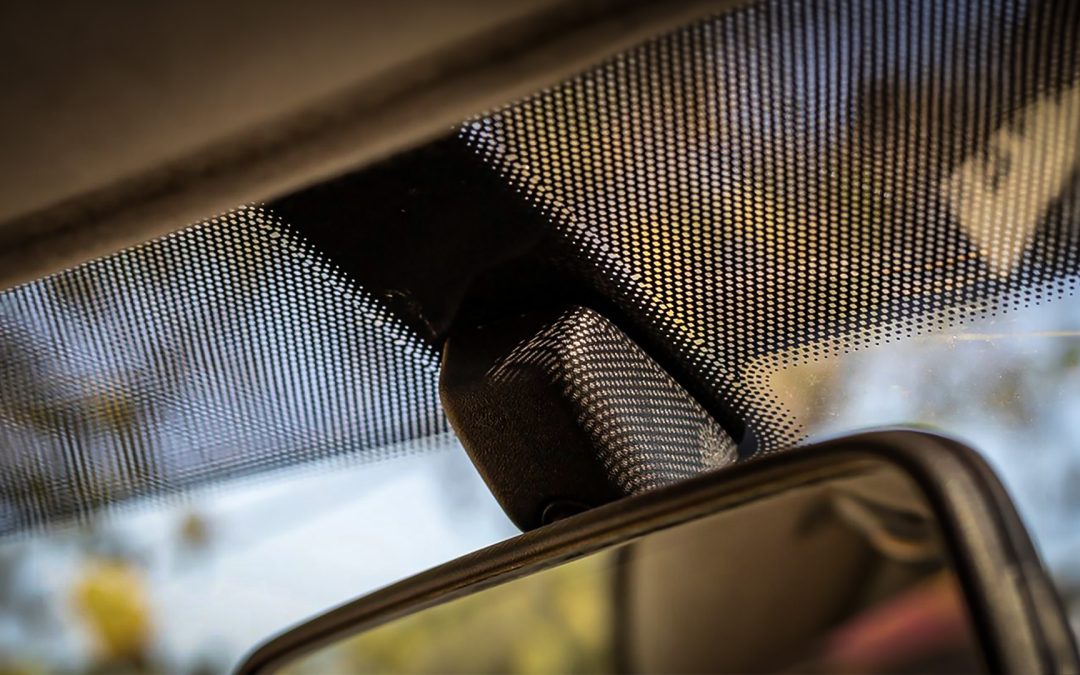
You probably see them every day, and that’s by design.
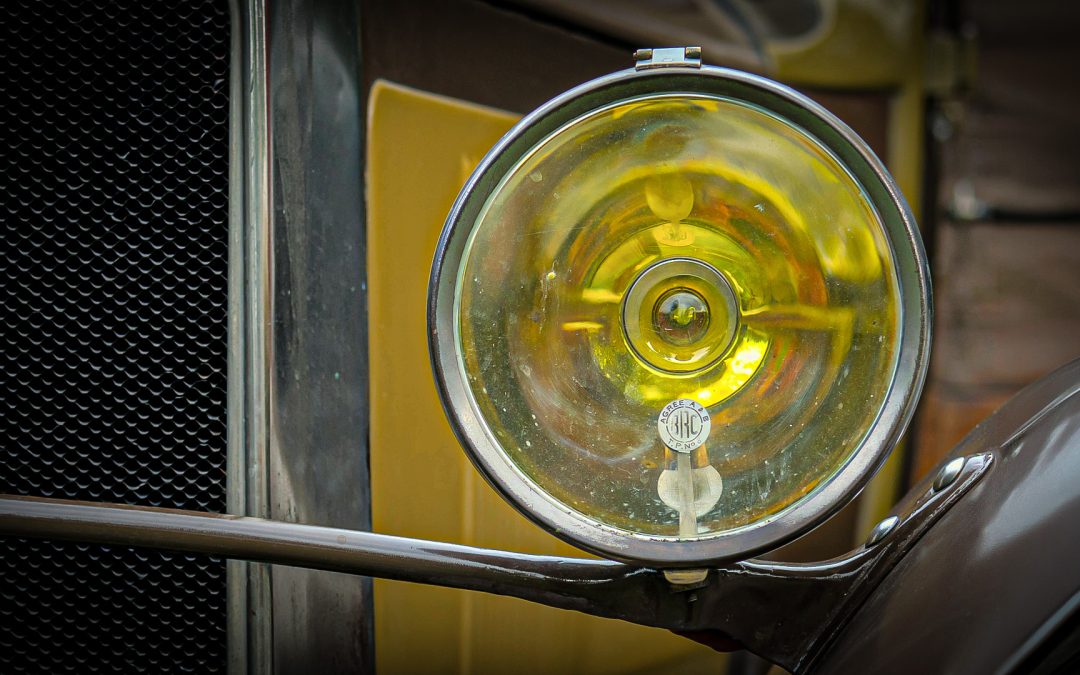
An attempt at improving driver safety might not have worked as intended, but it sure gave a distinctive look.

A nationwide framework of safety regulations has transformed vehicle design and saved countless lives since its introduction in 1968.
Participation in this forum is subject to Dorman’s Website Terms & Conditions. Please read our Comment Policy before commenting.