Casual communication can have formal consequences.

When Selling a Job, Get It In Writing (Not an Emoji)
read more



Casual communication can have formal consequences.
Today’s article is composed of two quick tips that are distinct and different, but interrelated because they’re used on the same items: the humble fasteners we remove and install hundreds of times daily. These tips are both geared to newer techs since we all must find our way when loosening and tightening screws and bolts, but if you’re an old salt, you might still find them helpful if you’ve never tried ‘em (or you are a “see if I can’t find a better way” type).
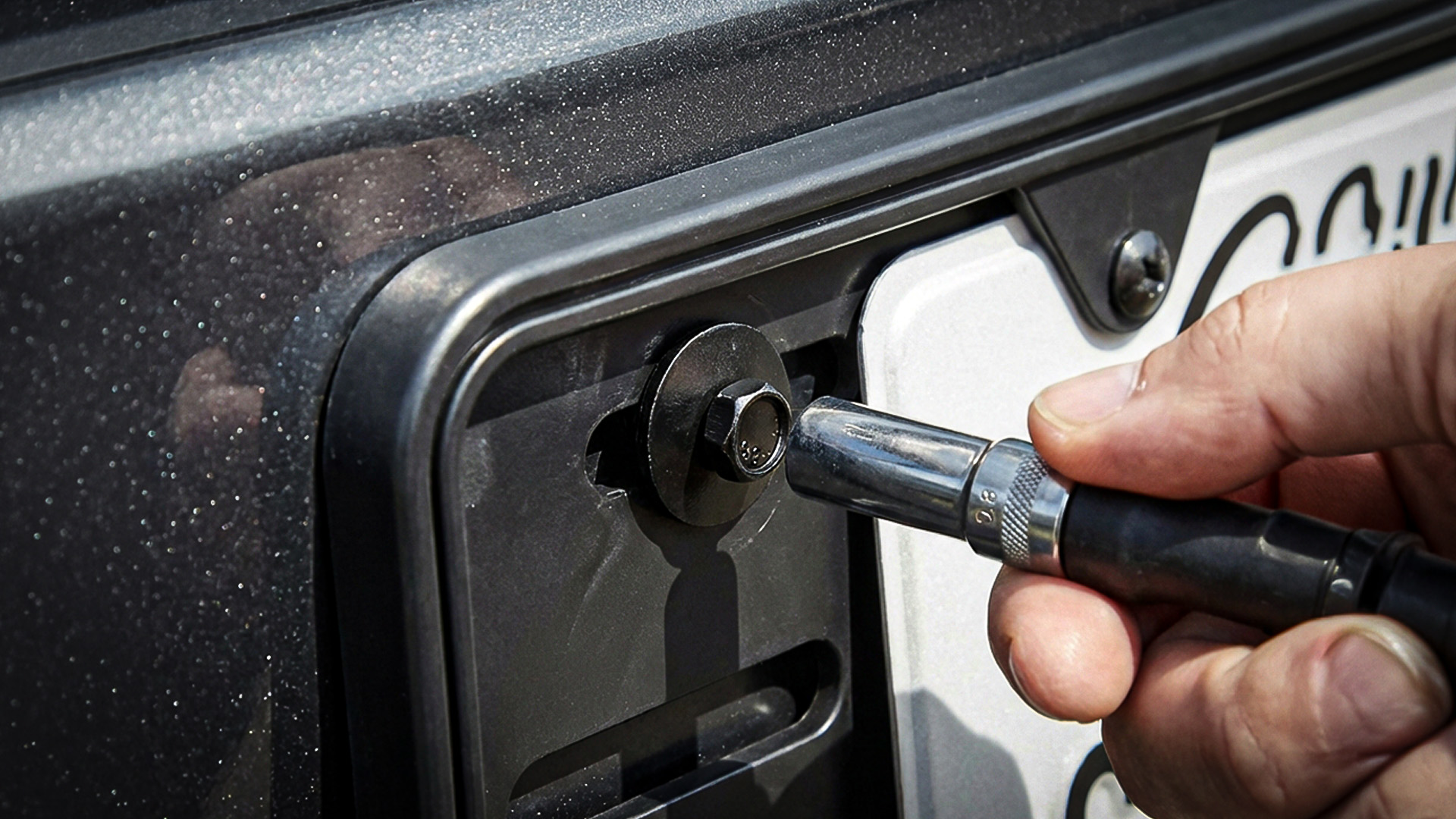
First, a tip for installing fasteners. To help start a fastener straight, insert it into the female threads, but turn it the wrong way (counter-clockwise). Commercially manufactured bolts generally have a chamfer at the beginning of the bolt. There’s one spot where the bolt will begin to thread, of course. By spinning the bolt the wrong way by hand, you’ll feel that initial thread “catch” or drop into engagement with the female threads.
As soon as your fingers feel the two mate up, reverse direction and spin clockwise and you’ll avoid damage to the female threads. This trick works with nuts, too, but it really shines in situations involving threaded screws or bolts that are going into a softer material, like the all-too-common steel bolt into blind threads in aluminum. It’s also helpful when the first course or two of threads are damaged (often from previous attempts that resulted in cross-threading!) or in exceptionally sloppy threads.

And the second tip riffs on this theme. We’ve all had the uber-stuck fastener that doesn’t want to budge. You likely know all the tricks involving heat and penetrants. You need it to move, but you also don’t want to really give it the beans lest it break, right? Whether you’re using an impact as gently as possible or putting the spurs to your breaker bar, remember there are two directions you can turn the fastener.
Sometimes getting it to budge just a hair—even in the wrong direction—can create enough room that your penetrating oil can start creeping in. If you’ve ever seen videos of threads moving through clear items, you know that fluid can start moving very far without tons of rotation from the fastener. Sometimes going the wrong way can get you that little bit of freedom that allows you to swing a little farther in each direction as you go, and eventually the fastener will come free. This trick can be used to great effect when removing a nut from a stud—rather than risk damage to the stud or the stud walking out, this often breaks the nut free without disturbing the stud.
Sometimes doing things the wrong way is just right!
The articles and other content contained on this site may contain links to third party websites. By clicking them, you consent to Dorman’s Website Use Agreement.
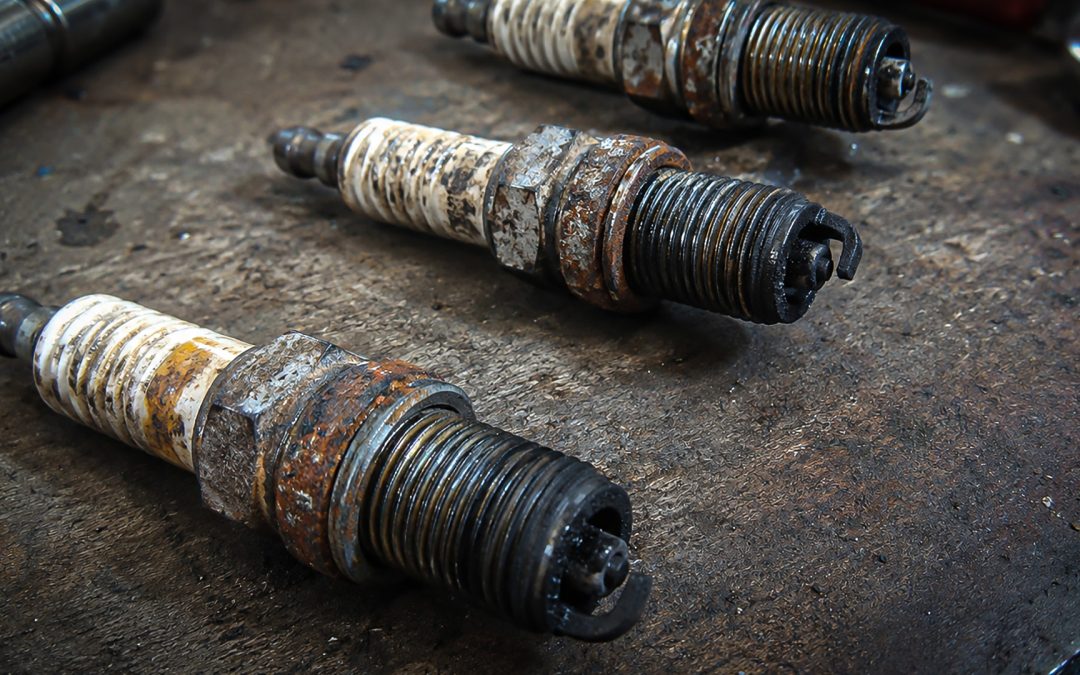
We don’t think much about spark plugs unless we think they’re the cause of a misfire concern, do we?

Well, that’s straightforward. But why?

Proper cooling system maintenance goes beyond time and mileage, requiring technicians to evaluate coolant condition, additive depletion, and the root causes behind cooling system issues.

Technician A says other codes should be diagnosed before replacing the converter for a P0420 code. Technician B says an upstream exhaust leak can trigger the code. Who is correct?

Cylindrical? Not really.

Technician A says cabin air filters protect occupants from 200+ contaminants, while Technician B says they protect the evaporator core from blower motor particles.
Participation in this forum is subject to Dorman’s Website Terms & Conditions. Please read our Comment Policy before commenting.