Don’t try to (needlessly) upsell me.

Writers, Print Vehicle Service Histories for Every Vehicle
read more



Don’t try to (needlessly) upsell me.
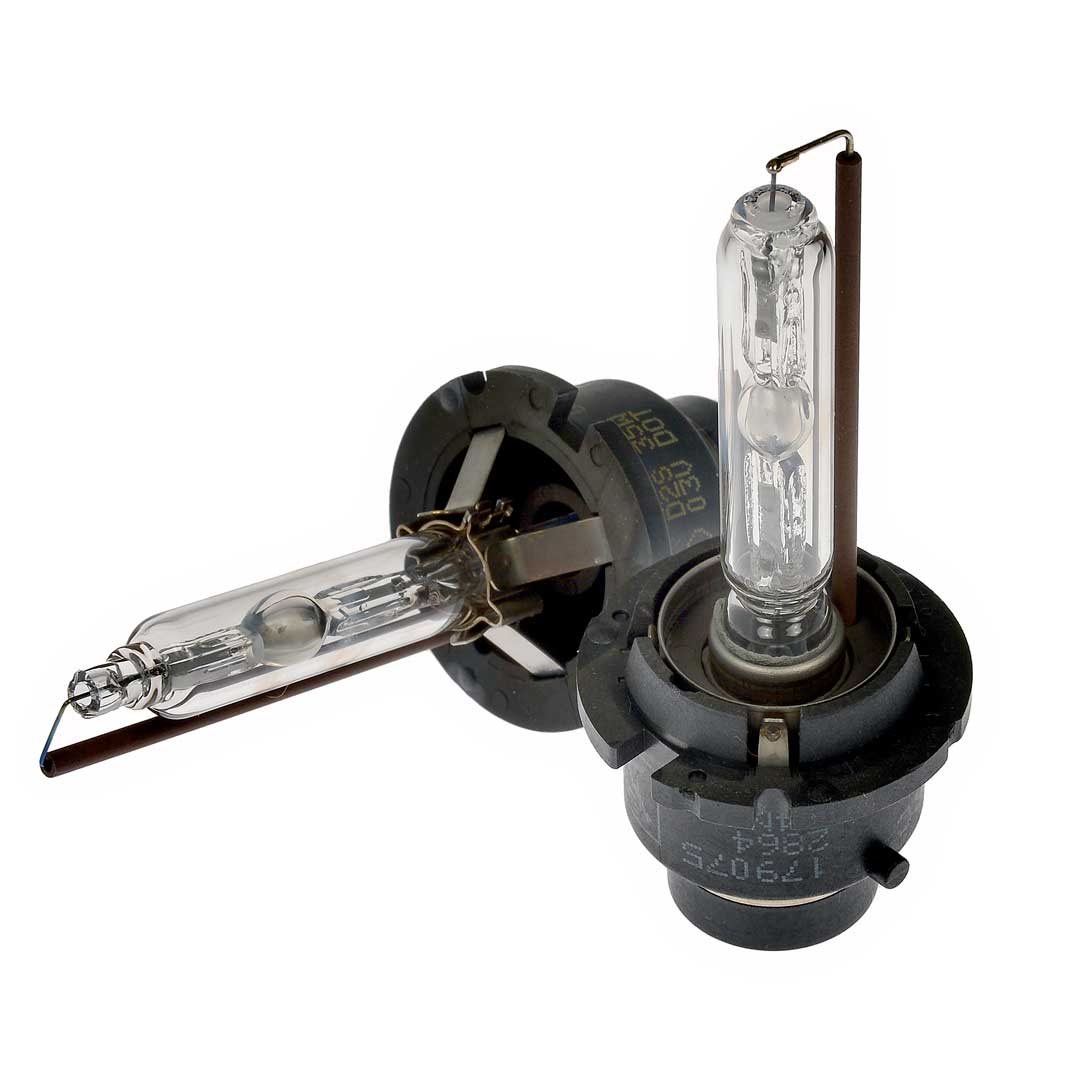
If you’re working on a HID-equipped vehicle, here are five things you need to know before working on its headlights.
.
Countless auto repair procedures begin with “disconnect vehicle battery,” but for HIDs, that safety precaution is not optional. Here’s why.
HIDs get their powerful white glow from an arc between two electrodes. Look inside the bulb, and you’ll see that HID doesn’t use a filament like a traditional halogen lamp. Instead, the arc is contained within the bulb’s glass, along with a gas. It can take a lot of juice to create the arc between those electrodes… to the tune of around 25,000 volts to start the arc! Disconnecting the battery helps to keep you safe while working inside the headlight assembly. Compared to the bulb startup voltage, the current should be fairly tame, but you still don’t want to be on the receiving end of that zap. Pay close attention to the connection between the ballast and the bulb, and if the shielding or cable is damaged, steer clear until you’ve resolved the problem.
Also, be sure that the headlight switch is off while working on the headlight assembly. The maximum voltage is delivered to the HID bulb at startup, and an accidental connection could trigger the ballast’s highest output. Although this step is redundant after disconnecting the battery, it’s best to make sure the HID system is switched off before digging in.
Headlight housings aren’t sealed just to keep the reflectors squeaky clean. HID bulbs are extremely sensitive to contamination. Grease and oil on your gloves, or even the natural oil of your bare skin, can cause the bulb glass to heat unevenly. The glass cracks, the gas escapes, the arc disappears, and your customer is calling to ask why that new headlight isn’t working. Always handle the bulb by its base only. If you accidentally touch the glass, use isopropyl alcohol and a fresh microfiber towel to gently clean it off. Allow the bulb to fully dry before installing… and be a little more careful next time.
HID lighting systems were an expensive upgrade in their day. Many vehicles were produced with halogen headlights for the base and mid-tier trims, with HIDs reserved for the high-end models only. It’s been over a decade since HIDs were really mainstream, so bulbs, ballasts, housings, and related parts can be very expensive today. Talk with your customer about the cost of rehabbing an HID headlight setup before beginning the work, especially if the housings or ballasts are in bad shape. After looking at the cost of replacements, it might be better to convert their vehicle’s HIDs to halogens by purchasing the parts for a lower-spec car, then swapping out all the HID
HIDs may be delicate, complicated, and expensive, but they generally last a long time. When an HID finally starts to quit, your customer might notice that the output seems dimmer than usual. The light can take on a blue or purple tinge. Looking at the bulb itself, the inside of the glass will generally look cloudy. While checking out the problem, take a look at the condition of the headlight housings, too. Chipped, faded, or yellowing lenses will only make the brightness issue worse. If the bulbs aren’t the issue, test the ballasts. If they are out of spec from years of use, new bulbs won’t make a lick of difference.
Before returning the vehicle to your customer, take a look at the headlight control switch. Does the customer leave the lights on the “auto” setting? To get the most life out of HID headlights, consider using manual headlight control instead. Short bursts of HID headlight usage can be hard on the bulbs. A five-minute errand to the post office during lunch hour forces the bulb to heat and cool rapidly, shortening its lifespan. Switching to manual control means that the headlights will only be on when the customer wants them. If you had a difficult time finding parts, or the customer paid dearly for them, then avoiding short periods of HID use can help to stretch the system’s lifespan.
The articles and other content contained on this site may contain links to third party websites. By clicking them, you consent to Dorman’s Website Use Agreement.

A/C systems are evolving with new designs and refrigerants, making accurate diagnosis and repair more important than ever.
Draw a hard line when it comes to basic diagnostics.

Technician A says thrust angle must be set to zero on many ADAS-equipped vehicles during alignment. Technician B says the steering angle sensor and front wheel position must be correct before camera or radar calibration. Who is correct?
They may look simple, but these little toggles can enable powerful electronic versatility.
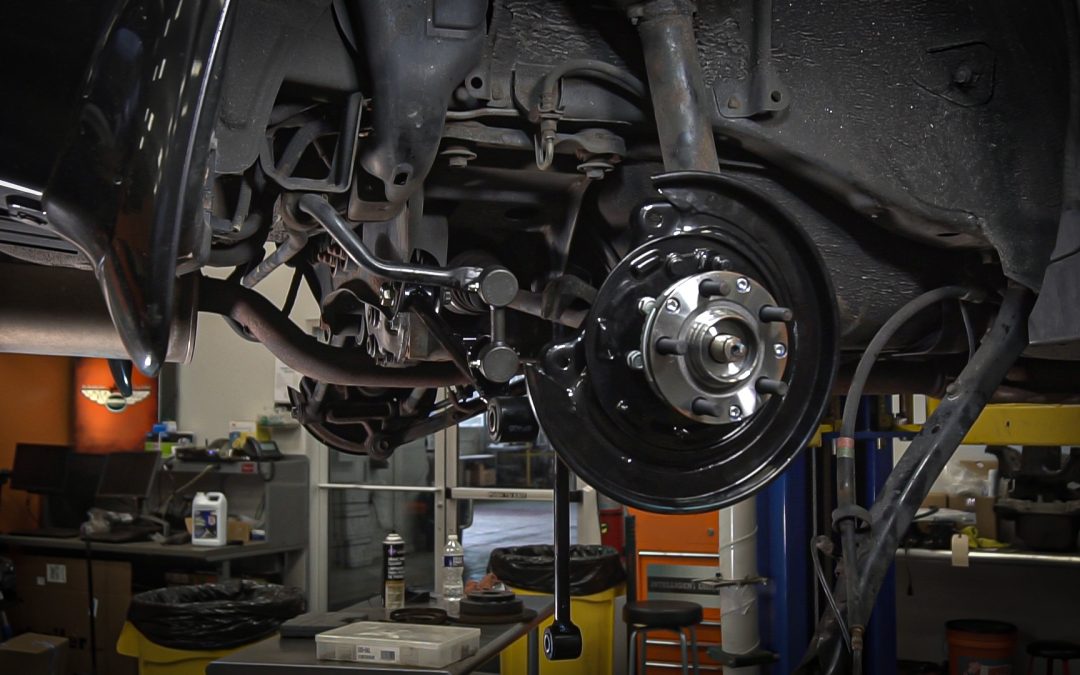
Loaded knuckles streamline wheel bearing and suspension repairs to help shops boost efficiency and profitability.
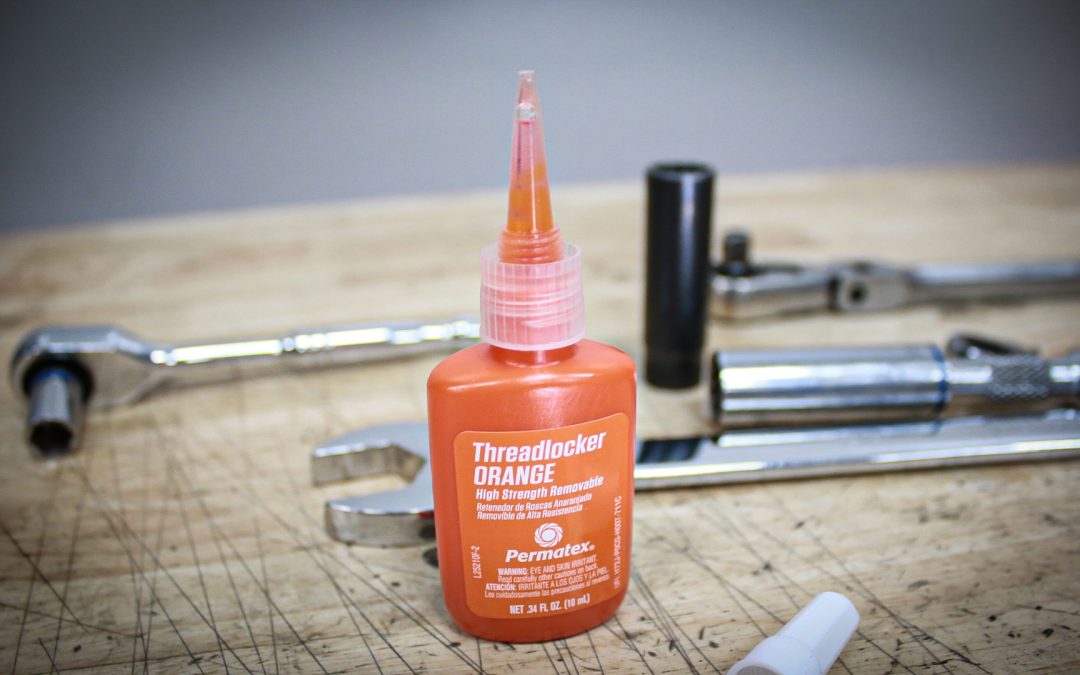
Can there be one threadlocker color to rule them all?
Participation in this forum is subject to Dorman’s Website Terms & Conditions. Please read our Comment Policy before commenting.