Customers don’t realize it needs attention. Sadly, many mechanics don’t, either.
The Most Neglected Part of the Cooling System
read more



Customers don’t realize it needs attention. Sadly, many mechanics don’t, either.
Looking for an easy way to win over your customers that they’ll enjoy every time they drive? Look at their vehicles from a hypermiler’s perspective.
In case you haven’t heard the term before, the hypermiling community is obsessed with optimizing their vehicles’ fuel economy. This world of homemade streamliners may not be mainstream, but the primary goal of minimizing fuel/charge consumption is appealing to any customer dropping a daily driver off at your shop.
Look at this this way: If your drive to work could cost three to five percent less for a small price or maybe none at all, why wouldn’t you make those changes? Many of your customers might not have the skills or ability to improve their vehicle’s efficiency. They might not even realize that small modifications or missing parts can have a profound impact on fuel economy. Best of all, they don’t have to take your word for it. A simple before/after comparison of the vehicle’s fuel economy average should be plenty to really impress your customers.
Note: Fuel economy and efficiency gains/losses vary wildly from one vehicle to another, as do the driving habits of “the nut behind the wheel.”
When building a hypermiler, the first steps include dropping unnecessary weight, removing aerodynamic obstacles, and repairing or improving existing aerodynamic features. Let’s use the same approach here.
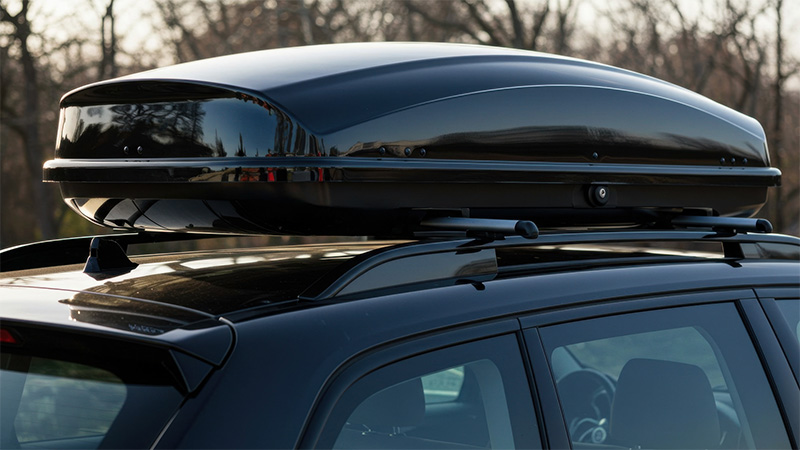
Roof racks are one of the best examples. Is it a roof rack on a work truck that’s absolutely beat from hauling ladders, or a scraped-up kayak hauler on a muddy SUV? Those roof racks are earning their keep and can stay. A mint factory rack on a grocery getter is another story. Inform your customers that roof racks can reduce a car or truck’s fuel economy by ten percent or more, and the cost gets even worse if accessories like cargo cages or bicycle carriers are left installed all the time. Offer to remove the unused rack, and both you and your customer should feel like you’ve made the smart move.
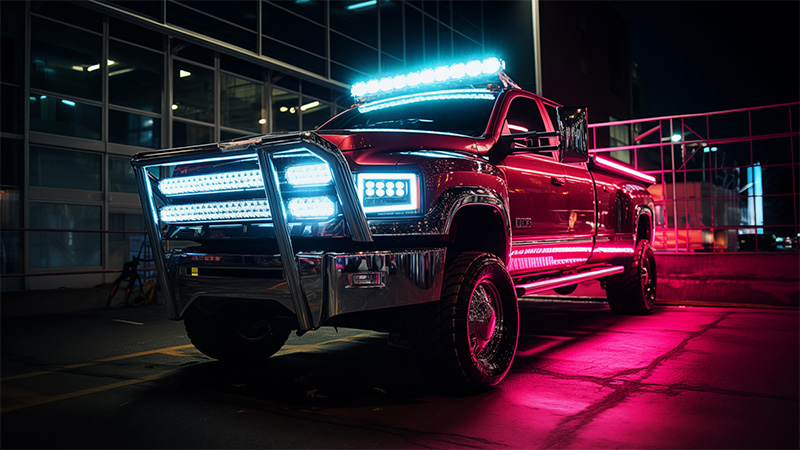
Another popular accessory for SUVs, trucks, and outdoorsy types, the thin LED light bars seen on many vehicles today have a lower profile than the KC Daylighter-style auxiliary lights of old. Light bars can still introduce a lot of drag, however, especially when mounted above the windshield or up on the hood. If a customer isn’t using their light bar for much, changing to smaller and better-integrated LED lights, such as a pair of flush-mounts in the bumper, can help both fuel economy and cabin noise without too much time or cost.
It’s not uncommon for parts like splash guards and front splitters to break or fall off. They don’t make a big visual impact, and in some cases, your customer might not even realize that they are missing. So why worry?
Missing or damaged panels and trim, especially undercar shields, aren’t just for keeping splashes and debris out of the engine bay and undercarriage. Today’s vehicles are designed with careful aerodynamic testing, and removing any component from the original system can affect fuel economy. A missing or broken panel can also reduce airflow across critical heat exchangers, like condensers, radiators, and transmission coolers. Often, a few fresh body fasteners are all you’ll need to tidy up a sagging shield.
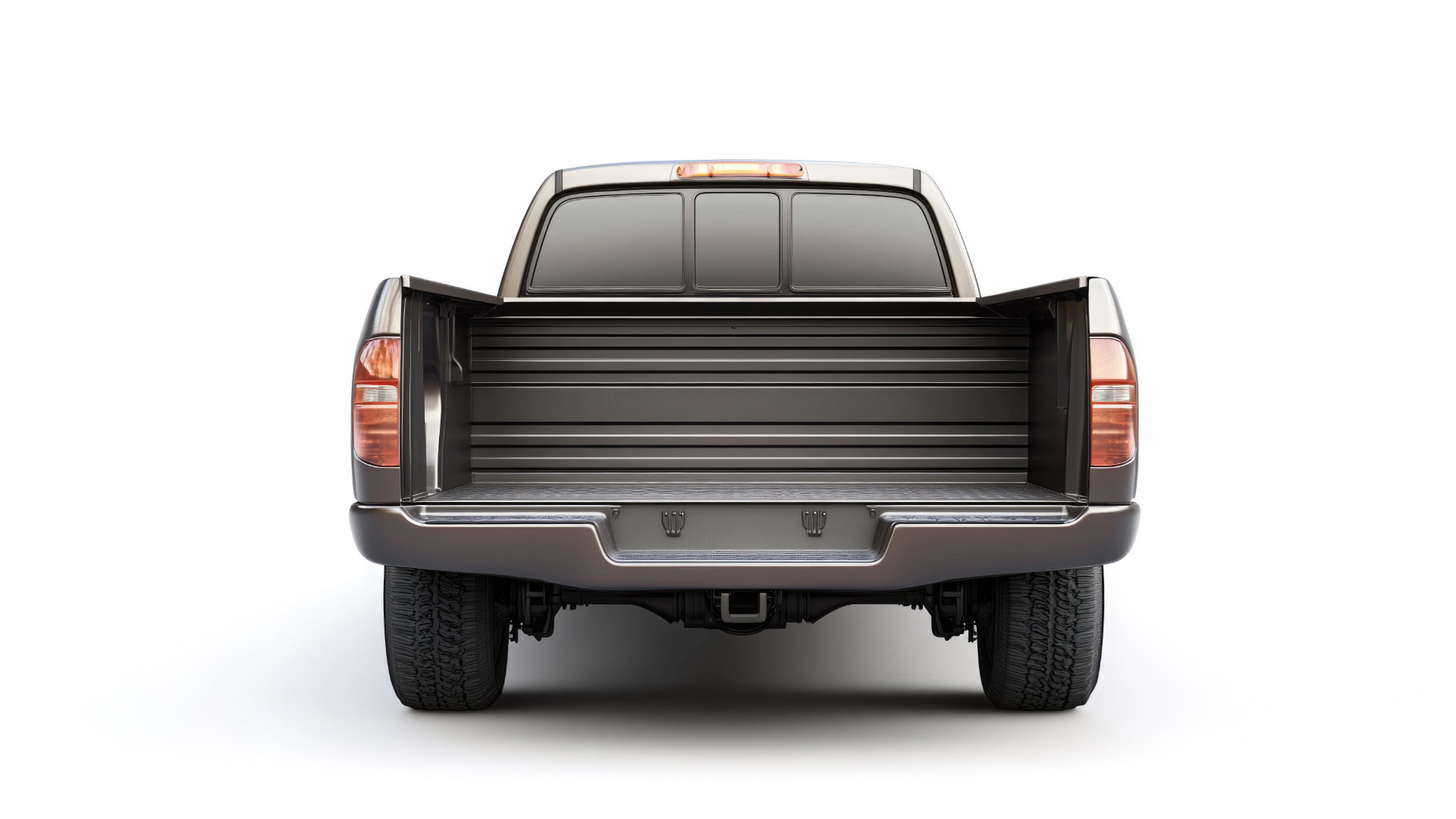
At this point, I think every mechanic has heard about how a pickup truck is significantly more aerodynamic with its tailgate up, not down. But have your customers heard this? When a truck is missing its tailgate, or the latch mechanism has failed so that the gate won’t stay secured upright, point this out to your customer. A busted gate isn’t just inconvenient. It’s adding unnecessary cost to every mile driven, and repairs are typically straightforward and inexpensive.
For hybrids and EVs in particular, the factory wheel covers aren’t just there for looks. A set of four missing wheel covers can reduce range per charge by up to ten miles on a modern EV. Unless the covers have been removed intentionally, reinstalling a set of original pattern wheel covers is an affordable way to combat range anxiety.
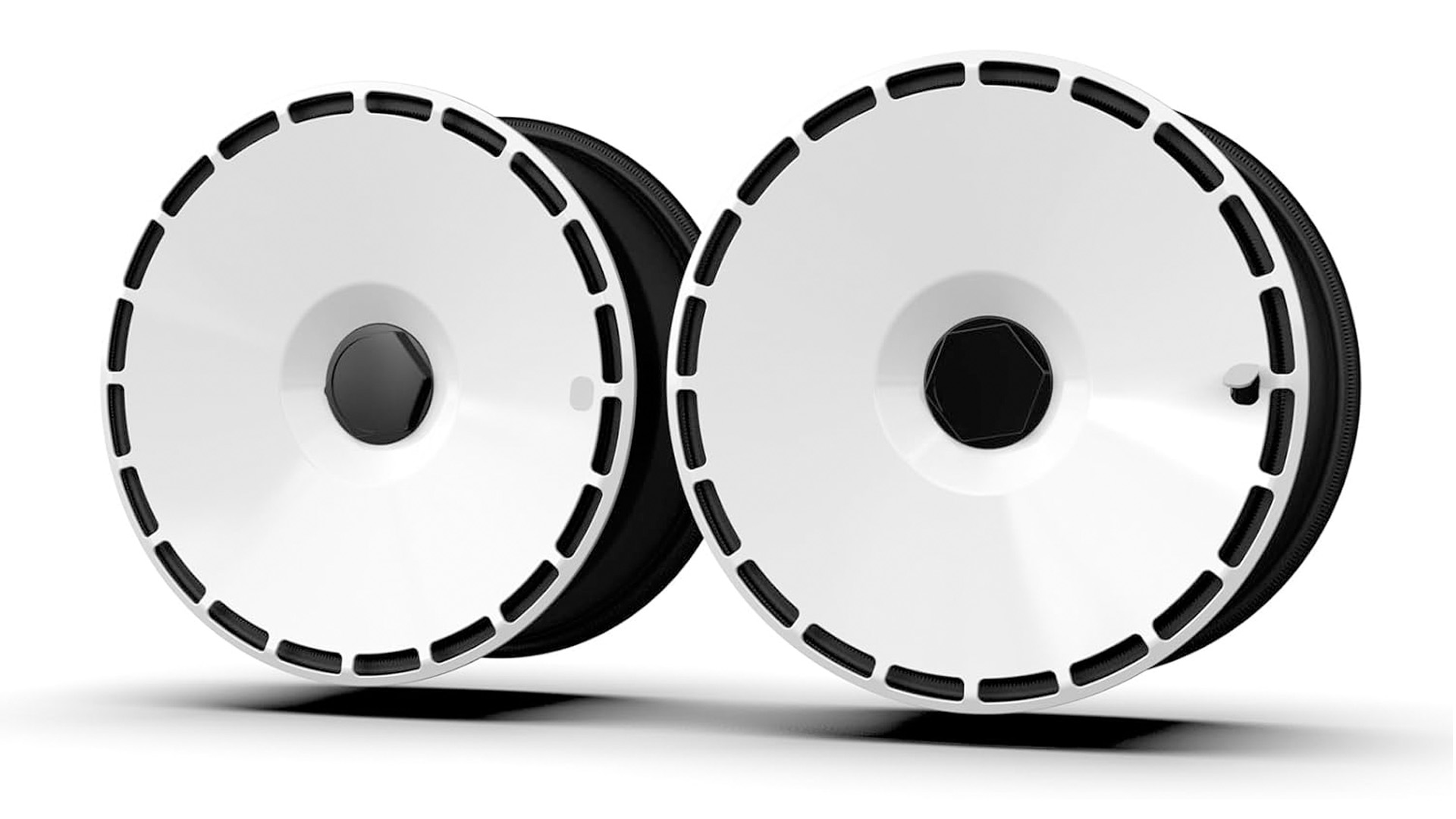
Any one of these changes will help, but keep in mind that the effect is cumulative. More importantly, your customers will leave with the confidence that you are looking out for their vehicles … and their wallets.
The articles and other content contained on this site may contain links to third party websites. By clicking them, you consent to Dorman’s Website Use Agreement.

Technician A argues that the 20/20 Rule captures most lab scope signals, while Technician B counters that a DSO doesn’t record signals in real time but samples and plots voltage data. Who is correct?
Technician A says the ECM’s main job is to keep emissions within certified limits. Technician B says fuel trim PIDs show corrections to fuel calculations. Who is correct?
Supplemental information to make your first rodeo a little easier.
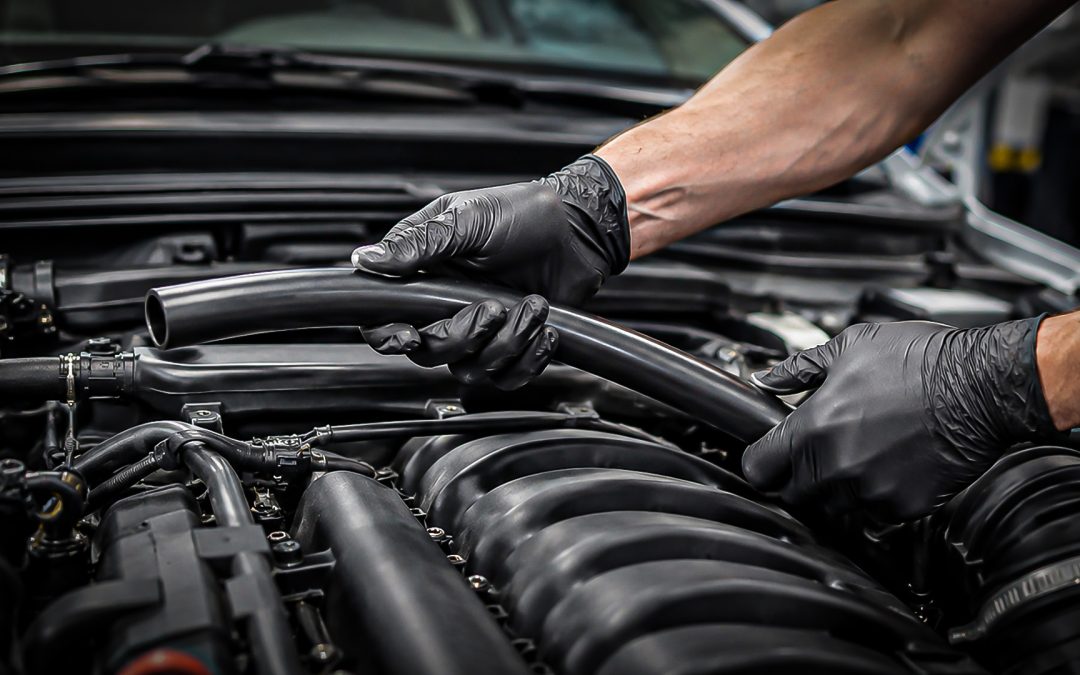
There’s no magic bullet—but there are a few arrows you can pull from your quiver.

Technician A says an empty DEF tank can cause a no-start condition. Technician B says DEF quality should be checked when SCR faults are present. Who is correct?
Customers don’t realize it needs attention. Sadly, many mechanics don’t, either.
Participation in this forum is subject to Dorman’s Website Terms & Conditions. Please read our Comment Policy before commenting.