Do you favor margin or revenue?
Is an Appointment-Only Shop Schedule Wise or Madness?
read more



Do you favor margin or revenue?
Two years ago, I posted a piece wondering if stainless steel cars were finally having their moment. I wrote about the introduction of the Tesla Cybertruck and the announcement of a new DeLorean, both of which were to be clad in stainless steel body panels. I also mused about the potential differences that might come with owning a stainless steel EV, noting that the rust-resistant properties of stainless and the comparatively lower service requirements of a fully electric car or truck could possibly result in vehicles that required less maintenance overall than a typical ICE-powered vehicle.
It turns out, however, that Cybertrucks already appear to be rusting, according to recent reports. So I need to offer a caveat to readers here: stainless steel plus EV technology could equal a low-maintenance vehicle, but not all stainless steel is stainproof.
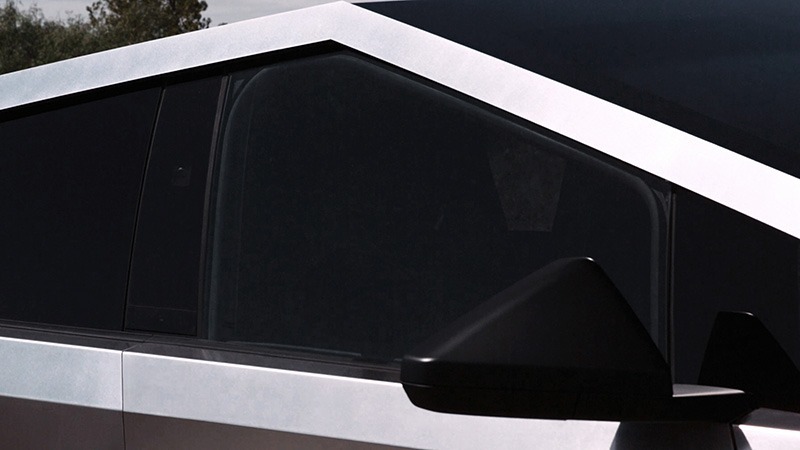
Photo: Courtesy of Tesla, Inc.
Tesla does not advertise the specific alloy used for the Cybertruck, and there’s always a chance that the alloy might change in the future. However, according to an analysis in this piece from 2020 by SAE International, Tesla is using a proprietary 301-grade stainless steel on the Cybertruck. Later that year, Elon Musk tweeted posted on the social media site X (formerly Twitter) that Tesla was “rapidly changing alloy constituents and forming methods, so traditional names like 304L will become more of an approximation,” which should be taken with a huge grain of salt. (Not to mention that Musk’s pronouncements don’t change the definition of what 304 is.) To get more insight into this issue, I spoke to Rajan Shah, Mechanical Engineer at Dorman. Rajan has extensive experience in stainless steel manufacturing at Dorman and at his previous job as an engineer designing chemical metering pumps, used in marine and offshore applications. Assuming Tesla was using a 301-grade stainless steel as the SAE noted, my first question to Rajan was whether it was unheard of for 301-grade stainless steel to rust this quickly. Rajan said that it is not, as 301-grade is not as corrosion resistant as 304- or 316-grade.
Stay with me now for a quick dive into some basic metallurgy. Stainless steel is manufactured using various chemical compositions. Austenitic stainless steels, which usually have the highest corrosion resistance, are given different numbers within the 300 series, depending on grade. (Ferritic, martensitic, duplex, and precipitation hardening stainless steels each have their own numbering series to designate chemical composition.) The different numbers in the 300 series refer to varying ratios of chemicals used in the stainless steel manufacturing process: chromium, nickel, molybdenum, carbon, manganese, phosphorous, sulfur, silicon, titanium, nitrogen, and iron. As opposed to 301-grade, 316- and 304-grade stainless steels use a higher percentage of chromium, which will provide higher corrosive protection. For example, Rajan noted that 316-grade is used in manufacturing pumps for offshore oil rigs, an environment where the steel will constantly be exposed to saltwater and harsh weather conditions. The original DeLorean DMC-12 used 304-grade stainless steel, which is perhaps why you can still find DMC-12s that look brand new. Of course, that could also be because DeLoreans were very expensive vehicles, and therefore probably received better care than your run-of-the-mill minivan.
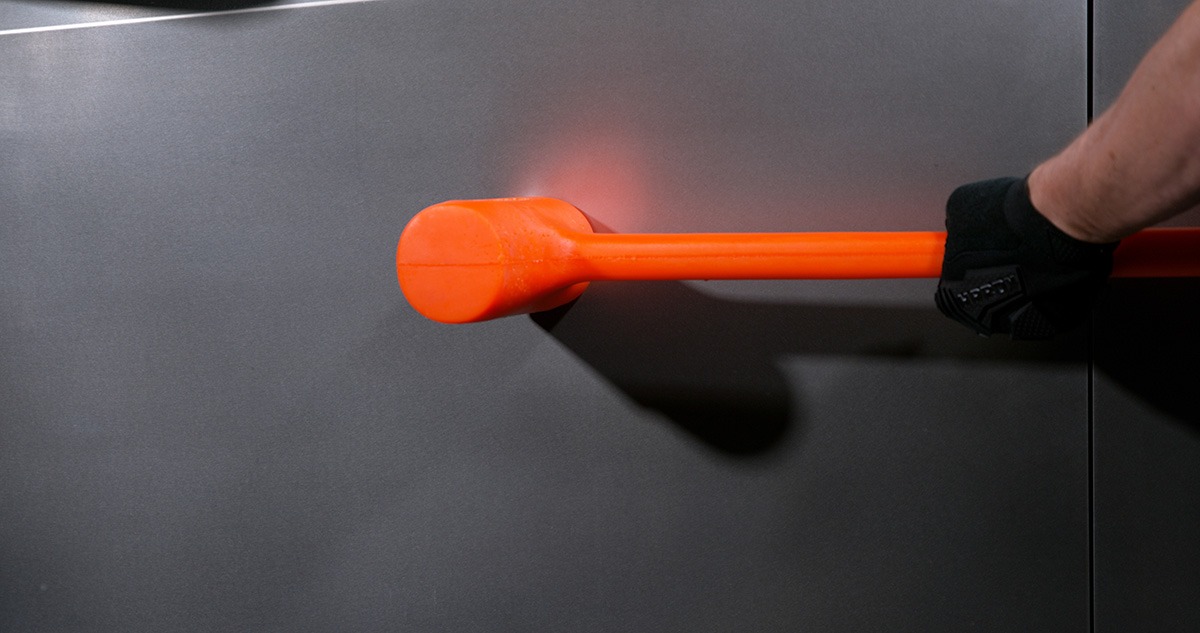
Photo: Courtesy of Tesla, Inc.
Rajan was surprised that Tesla apparently didn’t apply a clear protective coating to help protect the trucks. While we don’t know conclusively that one of these coatings was not applied to the trucks, the rate at which they are rusting left Rajan to believe they were not.
More recently, Wes Morrill, a Tesla engineer, said that the stainless steel panels themselves aren’t rusting, but rather metal contaminants that are collecting on the panels are rusting. To my untrained eye this appears to be true. To this, Rajan said, “It’s plausible. Contaminants get kicked up from the ground all the time and can stick to the body of the vehicle. It still could have easily been avoided with a coating.” Morrill’s comment was in response to a YouTube video by Bearded Tesla Guy (aka Justin Demaree), who also noted that wiping the car with Windex and Citrisurf 77 or a liquid form of Bar Keepers Friend worked best to remove the spots, although owners should be extremely careful in using the polish on their trucks. (Speaking of which, Cybertruck owners should also be extremely careful about taking their truck through a car wash.) Also, Tesla does offer a wrap option for the Cybertruck for the not-insignificant cost of $6,500.
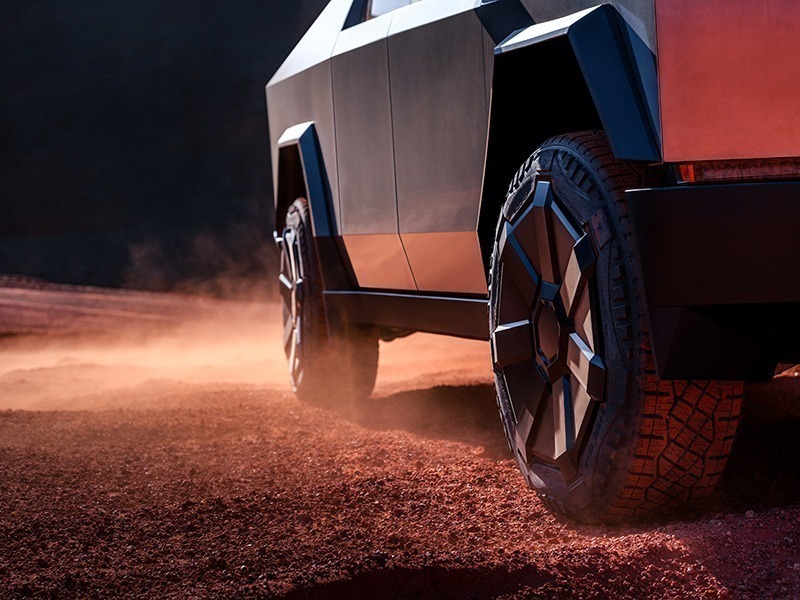
Photo: Courtesy of Tesla, Inc.
A few things should be noted in the interest of fairness. Firstly, that reportedly 301-grade stainless steel was likely chosen due to its ability to be formed into auto panels. Secondly, stainless steel is not “stainproof,” but it does offer a reduction in oxidation. Thirdly, coating stainless steel misses the point of stainless. If you’re coating stainless, you might as well buy a regular painted truck. And finally, other stainless products suffer the same issues. With a little cleaning and maintenance they look good as new.
It is also quite probable that Tesla and Elon Musk’s overpromises at the Cybertruck announcement and lack of transparency throughout the development process have contributed to the backlash from customers. Had Mr. Musk (and Tesla) highlighted the fact that the truck is stainless not “stainproof,” and how customers should address this issue earlier, much of this fallout probably could have been avoided. In this way, it reminds me of another automotive entrepreneur I wrote about, Preston Tucker, whose overpromises during the announcement of the Tucker 48 did not match up with reality when the car debuted.
Whether the marks on the Cybertruck are due to true rust or the result of metal contaminants, this is not good news for Cybertruck owners who paid sixty grand and up for their truck.
The articles and other content contained on this site may contain links to third party websites. By clicking them, you consent to Dorman’s Website Use Agreement.
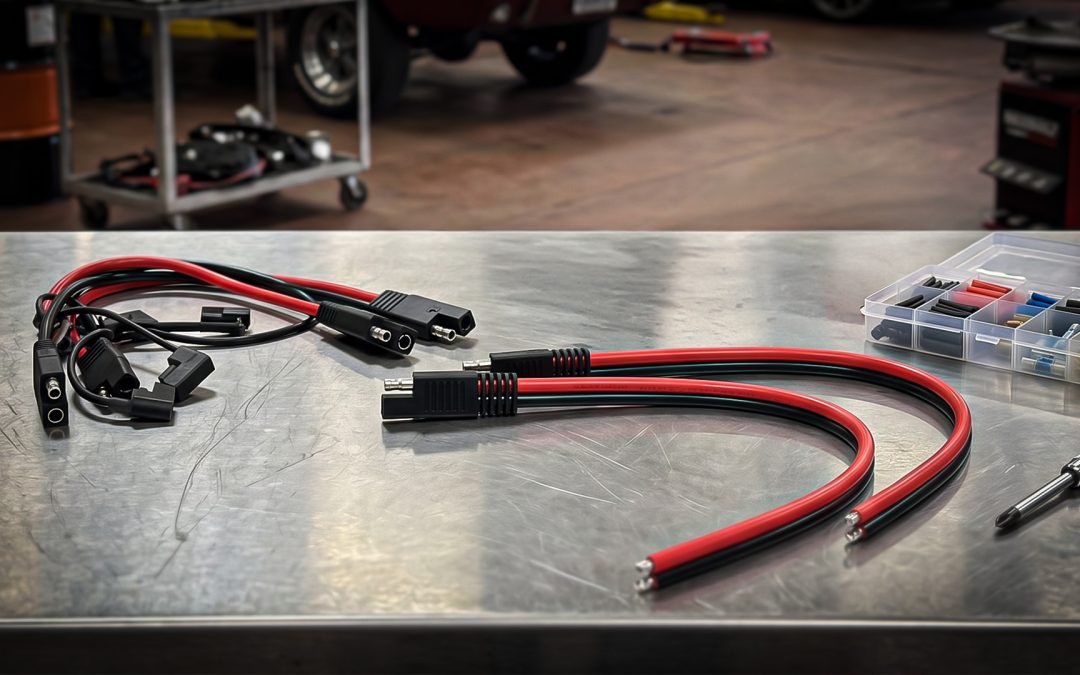
Ostensibly simplistic for casual users, the SAE plug is often an accident waiting to happen.
If it ain’t broke, don’t try to fix it.
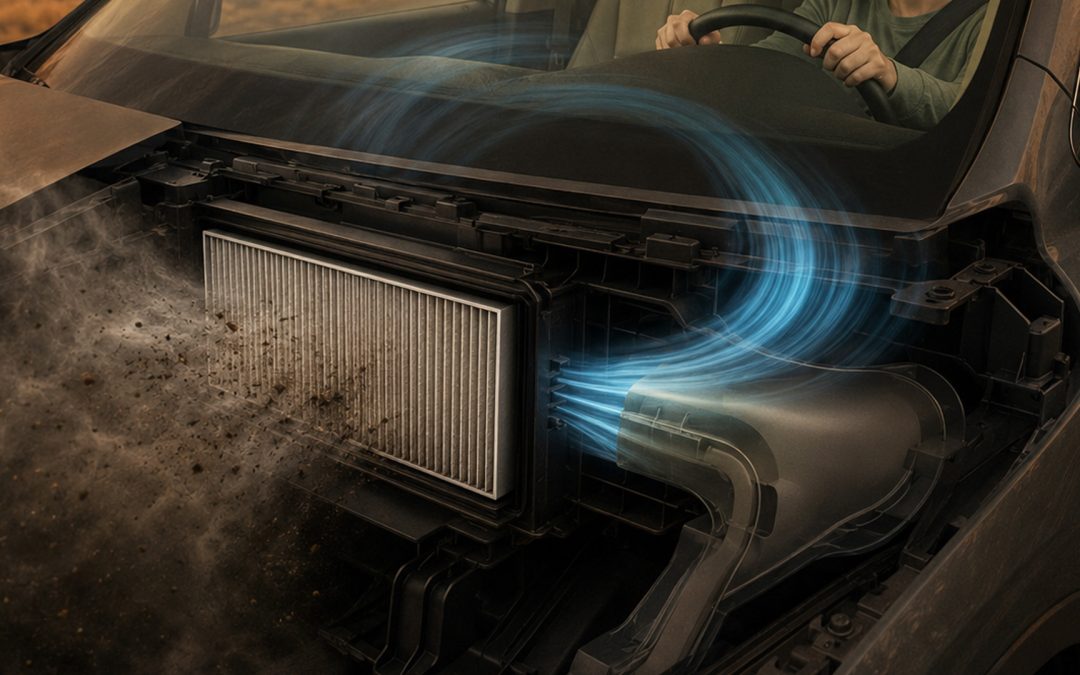
Can a vehicle’s air filtration help keep you safe from wildfire smoke and poor air quality?
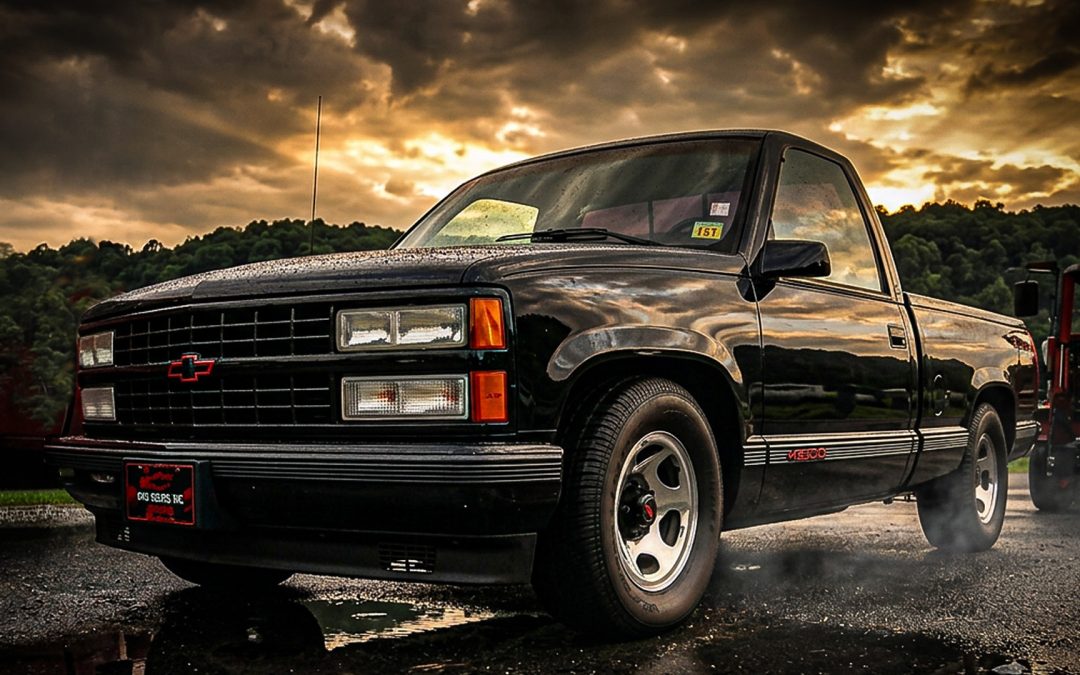
The 454 SS combines the time capsule looks of the GM GMT400 platform with an entertaining drive that harkens back to the muscle car heyday.
Spoiler alert: yes!
Pocket check!
Participation in this forum is subject to Dorman’s Website Terms & Conditions. Please read our Comment Policy before commenting.