Techs can’t solve the problem that can’t be found

Service Writers: Don’t Leave Your Greatest Diag Tool in the Shop
read more



Techs can’t solve the problem that can’t be found
In Part 1 of this piece, we looked at Sergio Pininfarina’s career up to 1987. In this part, we’ll take a look at his innovative concept cars.
Sergio encouraged his designers to explore new ideas through concept vehicles that tested aerodynamic principles and futuristic forms. The results elicited double-takes the world over
The Ferrari 512S Berlinetta Speciale was unveiled by Pininfarina in 1969, marking a bold leap in futuristic automotive design and serving as a bellwether of things to come. Built on the racing-derived Ferrari 512S chassis, the car showcased a dramatic wedge-shaped profile that would influence an entire era of concept cars. Its ultra-low stance, sharply tapered nose, and canopy-style glass cockpit gave it a spacecraft-like presence, reflecting Pininfarina’s desire to push beyond traditional sports-car proportions. Every element, from the hidden headlights to the sculpted rear vents, was crafted to emphasize speed, aerodynamics, and visual impact.
Inside, the Berlinetta Speciale continued the forward-thinking theme with a minimalist, almost aircraft-inspired cabin that prioritized form over practicality. Although it remained a pure concept and never saw production, the 512S Berlinetta Speciale served as a crucial stepping stone for later Pininfarina designs, including the famous Modulo. It cemented Ferrari and Pininfarina’s shared reputation for embracing radical thinking at a time when the automotive world was rapidly evolving.
Not wedgy enough? Not slung low enough? Enter the Ferrari Modulo, one of the most daring and futuristic concept cars ever created. It was unveiled by Pininfarina at the 1970 Geneva Motor Show. Like the previous Berlinetta Special, the Modulo was built on a Ferrari 512S chassis. Its covered wheels, dramatic cutouts, canopy-style sliding glass roof, and horizontal body segments made it look more like a UFO than a road car.
Underneath the avant-garde bodywork, the Modulo housed a 5.0-liter V12 capable of producing around 550 horsepower, although the concept was originally intended as a design study rather than a functional supercar. Over the years, it has been celebrated worldwide for its bold engineering and artistry, and it remains a symbol of Pininfarina’s willingness to imagine the future without compromise. In 2014, the Modulo was purchased and restored to running condition by famed car collector James Glickenhaus, allowing the world to once again see this historic, visionary machine in motion.
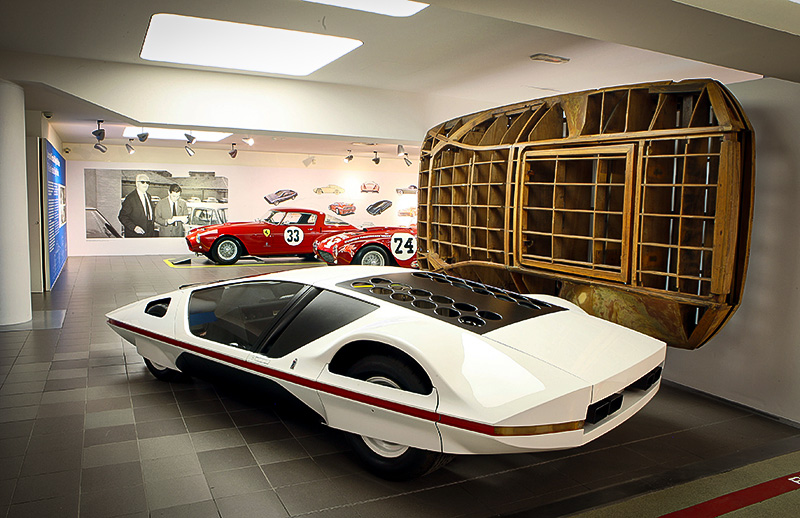
Rear view of the Pininfarina Modulo concept car. Photo: Morio, CC BY-SA 3.0, via Wikimedia Commons.
Not wedgy enough? Not slung low enough? Enter the Ferrari Modulo, one of the most daring and futuristic concept cars ever created. It was unveiled by Pininfarina at the 1970 Geneva Motor Show. Like the previous Berlinetta Special, the Modulo was built on a Ferrari 512S chassis. Its covered wheels, dramatic cutouts, canopy-style sliding glass roof, and horizontal body segments made it look more like a UFO than a road car.
Underneath the avant-garde bodywork, the Modulo housed a 5.0-liter V12 capable of producing around 550 horsepower, although the concept was originally intended as a design study rather than a functional supercar. Over the years, it has been celebrated worldwide for its bold engineering and artistry, and it remains a symbol of Pininfarina’s willingness to imagine the future without compromise. In 2014, the Modulo was purchased and restored to running condition by famed car collector James Glickenhaus, allowing the world to once again see this historic, visionary machine in motion.
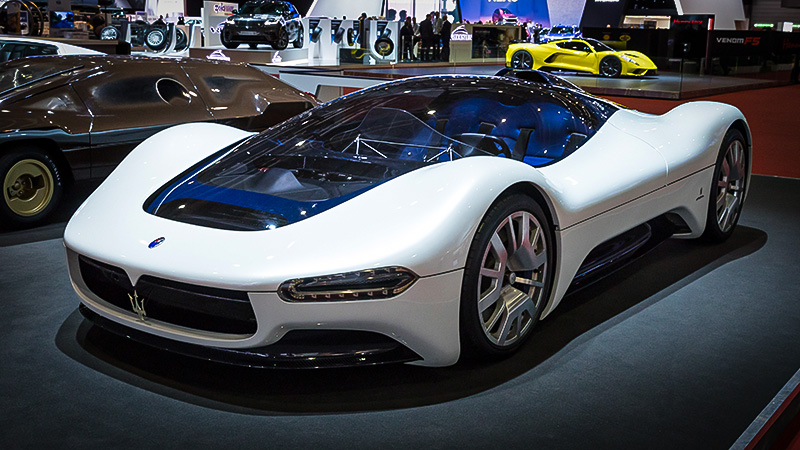
Maserati Birdcage 75th at the 2018 Geneva Motor Show. Photo: Matti Blume, CC BY-SA 4.0, via Wikimedia Commons.
Sergio Pininfarina once said, “The car has become an extension of man’s identity. It reflects his taste, his dreams, his desires.” That belief drove everything he designed. From the sculpted perfection of the Ferrari 250 GT to the futuristic Modulo, his cars are not just objects—they are expressions of emotion in metal and motion. Sergio Pininfarina passed away in 2012. But today, in an age of digital design and AI modeling, his legacy endures as a reminder: beauty begins with the human hand, and the greatest machines must have a soul.
The articles and other content contained on this site may contain links to third party websites. By clicking them, you consent to Dorman’s Website Use Agreement.
How a visionary engineer shaped everything from early EVs to the world’s most iconic sports cars.

Cars have a backup cooling system—use it when the situation demands!
Tracking Pininfarina’s career from the beginning to 1987.

These ubiquitous stickers have a longer history than most people may think.
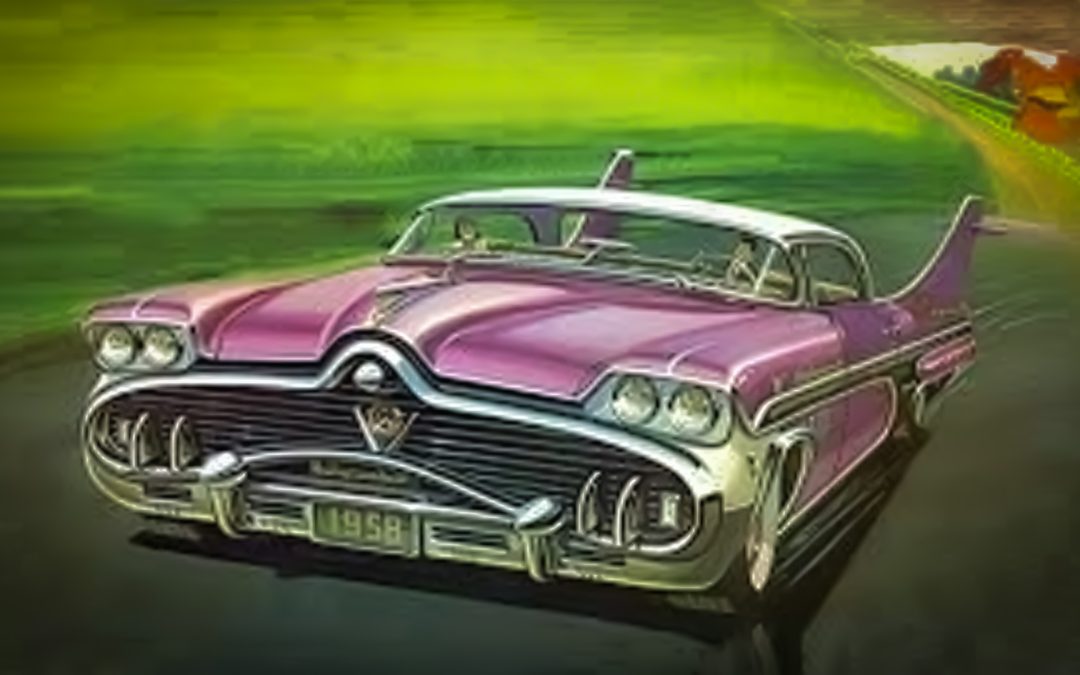
What happens when chrome goes too far?
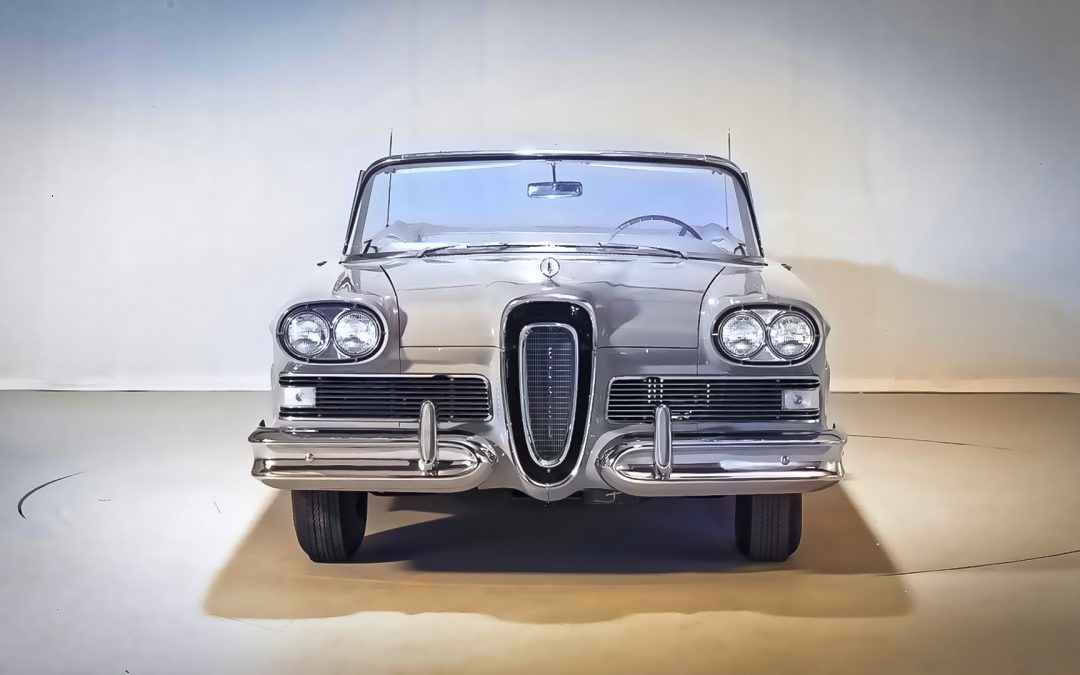
This one part became the symbol of the Edsel’s failure.
Participation in this forum is subject to Dorman’s Website Terms & Conditions. Please read our Comment Policy before commenting.