Don’t try to (needlessly) upsell me.

Writers, Print Vehicle Service Histories for Every Vehicle
read more


Don’t try to (needlessly) upsell me.
For the vast majority of vehicles on the road, swapping out spark plugs is gravy work. Yoink the old plugs, make sure the replacements meet the necessary gap spec, install the new plugs, and button up the ignition system. You’re in and out of there in no time, right?
That may have been acceptable back in the days when practically every vehicle used good ol’ copper core plugs that didn’t care too much about how they were handled or adjusted. Accidentally set the gap a few thousandths off? No biggie, just bend the strap again and verify with your gauge. Easy peasy.
But new techs and DIYers alike should know that the game has changed. Those old methods can create new problems in a hurry, leading to comebacks, driveability issues, and other headaches. And it all comes down to one of the rarest metals on Earth: iridium. Ironically, it’s also one of the most common core materials found in modern spark plugs.
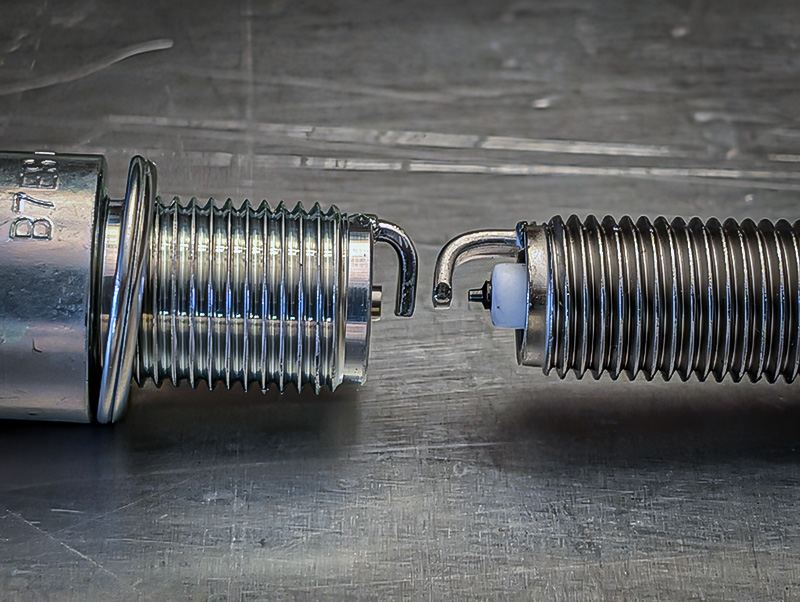
While manufacturers spec spark plugs with iridium cores for a few reasons, they are broadly used to squeeze performance out of optimized engine designs, often supporting additional technologies like forced induction, direct injection, and sophisticated ignition systems. So don’t be surprised when you see one, and definitely do not make any of the following rookie mistakes:
The articles and other content contained on this site may contain links to third party websites. By clicking them, you consent to Dorman’s Website Use Agreement.

Window buttons and toggles are going the way of the dodo. That’s by design.

Get up to speed on a safety feature not often seen in the United States.
A little glimpse into the world of making old parts new.

Ford made a V-8 engine affordable to the mass market consumer for the first time.

There are applications for shims besides fixing camber and panel gaps.

Accessory belt drive evolution can provide some clues for the most efficient way to get a customer back on the road.
Participation in this forum is subject to Dorman’s Website Terms & Conditions. Please read our Comment Policy before commenting.