Customers don’t realize it needs attention. Sadly, many mechanics don’t, either.
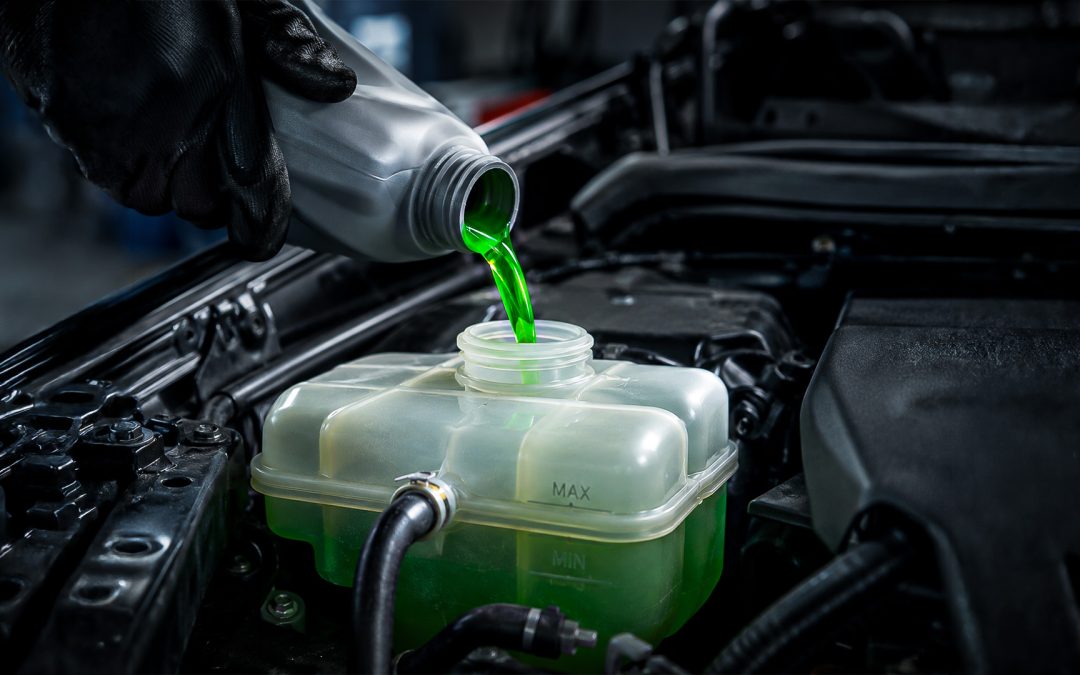
The Most Neglected Part of the Cooling System
read more



Customers don’t realize it needs attention. Sadly, many mechanics don’t, either.
During some recent work on an older SUV, I was absolutely fed up. I couldn’t take it anymore.
I had just finished a fair bit of grinding and filing, and when I reached for my screwdriver to start installing some parts, I saw that the tool’s tip looked like the Wooly Willy toy you might have had as a kid with its fuzzing of ferrous dust. I own a few screwdrivers with magnetic tips, but this wasn’t one of them and I needed to keep that debris away from my work. So I did what many of you would probably do: walked over to the toolbox, rummaged around to find the magnetizer/demagnetizer tool I use maybe twice a year, and slid the screwdriver through the stepped slot until the tip’s magnetism was no more.
I wasn’t fed up with the job or the mess or the screwdriver. What bothered me was that I had absolutely no idea how that magnetizer/demagnetizer tool worked, even though I had owned the thing for about a decade. Sci-fi writer Arthur C. Clarke once wrote that “any sufficiently advanced technology is indistinguishable from magic.” My little magnets in a plastic box, probably purchased for a quarter at a garage sale, were hardly the stuff of science fiction. So I put down my tools and decided to learn, for once and for all, how this sorcery worked. This insightful video helped the most in explaining what really goes on inside a magnetizer/demagnetizer tool.
The articles and other content contained on this site may contain links to third party websites. By clicking them, you consent to Dorman’s Website Use Agreement.

Technician A argues that the 20/20 Rule captures most lab scope signals, while Technician B counters that a DSO doesn’t record signals in real time but samples and plots voltage data. Who is correct?

Technician A says the ECM’s main job is to keep emissions within certified limits. Technician B says fuel trim PIDs show corrections to fuel calculations. Who is correct?
Supplemental information to make your first rodeo a little easier.
There’s no magic bullet—but there are a few arrows you can pull from your quiver.

Technician A says an empty DEF tank can cause a no-start condition. Technician B says DEF quality should be checked when SCR faults are present. Who is correct?
Customers don’t realize it needs attention. Sadly, many mechanics don’t, either.
Participation in this forum is subject to Dorman’s Website Terms & Conditions. Please read our Comment Policy before commenting.