Do you favor margin or revenue?

Is an Appointment-Only Shop Schedule Wise or Madness?
read more



Do you favor margin or revenue?
My brake fluid tester sits in a drawer in my box, patiently waiting to dip its little legs in pools of iffy brake fluid. It really isn’t a tool I think about much, even while I’m using it. It’s that simple. Or at least I thought it was.
Much like the tester you probably own, mine features just a power button and a few LED lights. Dip the probes, check the lights, clean it off, and chuck it back in the box. But while I was recently replacing my tester’s battery for the first time in years of ownership, I got to wondering how exactly these devices work.
If you understand the theory behind this type of brake fluid tester, you’ll know that it’s a dumbed-down version of your DVOM that uses conductivity to estimate the water contamination level in a given sample of vehicle brake fluid, often at the reservoir.
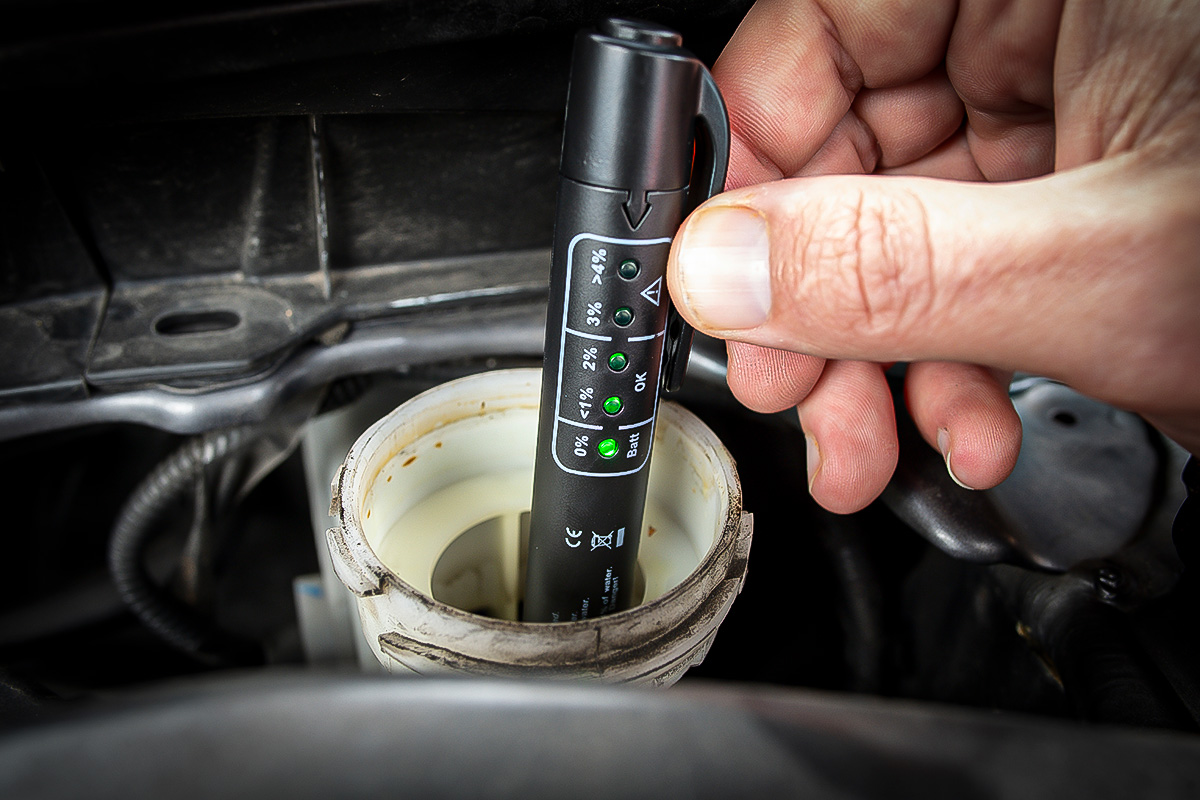
The most common and affordable brake fluid tester. There are also electronic boiling point testers that heat small samples of brake fluid to evaluate them, but those are beyond the scope of this article. Photo: Mike Apice.
Of course, you can also use your DVOM for fluid evaluation, but the dedicated tester pen is so inexpensive and quick to use that even a weekend warrior mechanic should have one kicking around. And thankfully, water contamination in brake fluid is not the problem it once was due to the widespread use of EPDM brake lines and sealed braking systems. (Be sure to read Pete Meier’s excellent explanation of modern brake fluid contamination risks and related service advice.)
Did you check your brake fluid tester when it was new just to see how accurate it was? Having paid only a few bucks for whatever option was on hand at the local auto parts place, I was skeptical enough to test mine.
Using a scale and a graduated syringe, I made my own version of this simple experiment and found that the tester was right on the money every time. You can easily replicate this process to make sure your brake fluid tester is still reading correctly.
The articles and other content contained on this site may contain links to third party websites. By clicking them, you consent to Dorman’s Website Use Agreement.
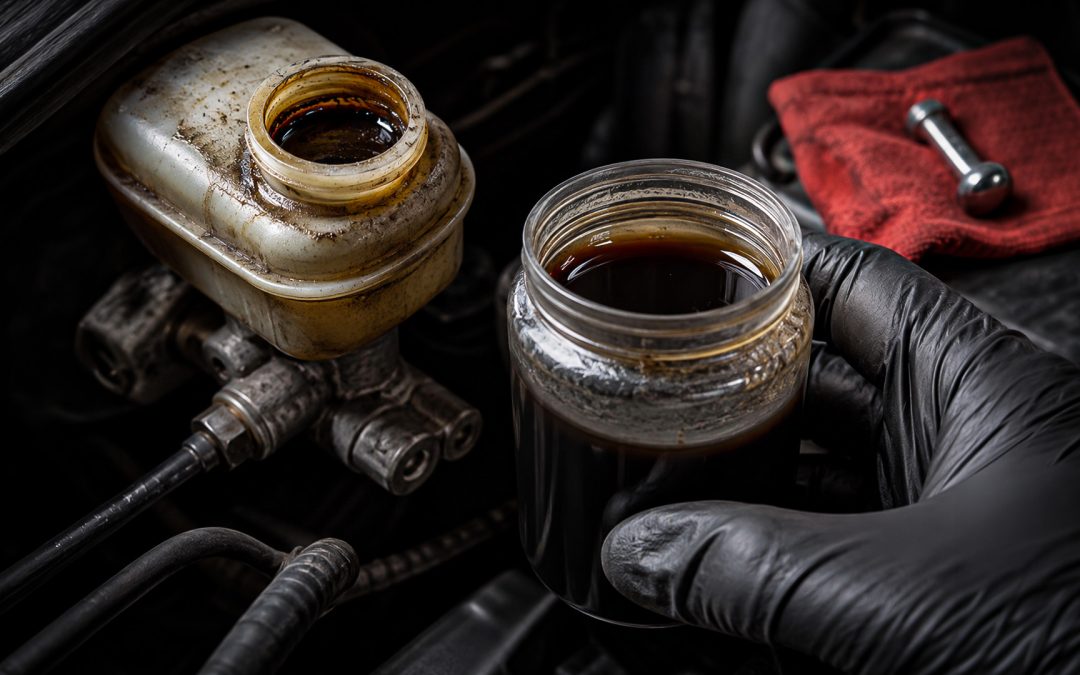
Don’t just rely on brake fluid color to determine its condition.

Technician A argues that the 20/20 Rule captures most lab scope signals, while Technician B counters that a DSO doesn’t record signals in real time but samples and plots voltage data. Who is correct?

Technician A says the ECM’s main job is to keep emissions within certified limits. Technician B says fuel trim PIDs show corrections to fuel calculations. Who is correct?
Supplemental information to make your first rodeo a little easier.
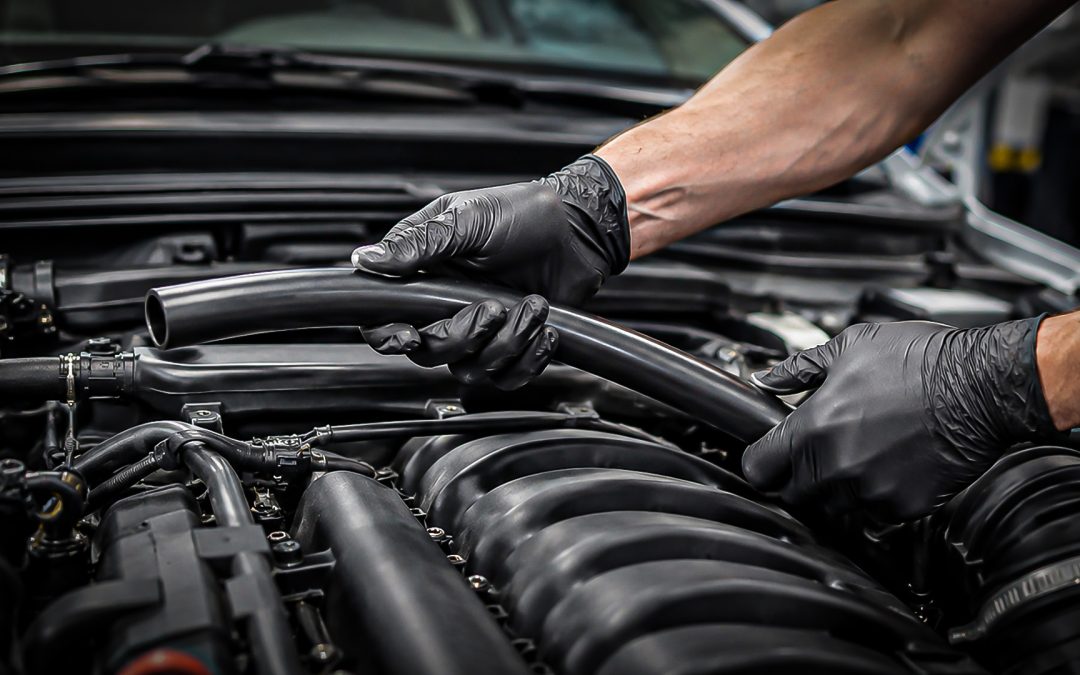
There’s no magic bullet—but there are a few arrows you can pull from your quiver.

Technician A says an empty DEF tank can cause a no-start condition. Technician B says DEF quality should be checked when SCR faults are present. Who is correct?
Participation in this forum is subject to Dorman’s Website Terms & Conditions. Please read our Comment Policy before commenting.