Customers don’t realize it needs attention. Sadly, many mechanics don’t, either.

The Most Neglected Part of the Cooling System
read more



Customers don’t realize it needs attention. Sadly, many mechanics don’t, either.
In 1965, Ralph Nader published his best-selling takedown of car companies, “Unsafe at Any Speed: The Designed-In Dangers of the American Automobile.” The book accused automakers of prioritizing profits over personal safety, and caused an uproar from both politicians and the public, not to mention the manufacturers themselves.
Its influence was immense and immediate. The first chapter is infamously focused on the Chevy Corvair, which made the case that the sporty compact was unstable and likely to rollover due to design flaws General Motors ignored. Later research found it wasn’t significantly worse than other vehicles of the era, but the scandal was enough for GM to discontinue the car by 1969.
This video below from Hagerty is a great summary of the controversy:
The following chapters of the book steadily zoom out to the bigger picture, from specific dangerous features of vehicles, to the systemic issues allowing them to persist, to the case for government intervention.
“The gap between existing design and attainable safety has widened enormously in the post-war period,” Nader wrote in the conclusion. “As these attainable levels of safety rise, so do the moral imperatives to use them.”
Less than a year after the book hit shelves, Nader was there when President Lyndon Johnson signed the National Traffic and Motor Vehicle Safety Act. That set into motion the creation of new federal agencies, and the first set of Federal Motor Vehicle Safety Standards.
“Starting with our 1968 models, American and foreign, we are going to assure our citizens that every new car they buy is as safe as modern knowledge knows how to build it,” Johnson said.
The first FMVSS regulations included a variety of rules, such as requiring seat belts and energy-absorbing steering assemblies, which remain the most effective and third most effective regulations in terms of lives saved each year. (Airbags, which came later, is second overall.) Another of those first standards was FMVSS 206, Door Locks and Door Retention Components, which is intended to “minimize the likelihood of occupants being thrown from the vehicle as a result of impact.”
Nader touched on this particular issue briefly in his book. In the chapter titled “The second collision: When man meets car,” he notes research from Cornell University on door latch effectiveness. They found that at least one door sprung open in nearly half of injury-causing accidents before 1956, and that the likelihood for a door being completely torn off in certain makes actually increased from ’56 to ’63.
At the time, the most common cause of death in a rollover accident was occupant ejection, and research found that people were nearly 4 times more likely to die if they were ejected than if they stayed in the vehicle. Further analysis found ejections were most likely to happen through the open door, rather than the window or windshield. Of course, wearing seat belts would be the main way to prevent ejections, but this evidence led researchers to believe that preventing door openings would also save lives even if occupants weren’t buckled in.
Car companies were apparently aware of these issues – and expecting government regulation – so they had already started to improve their designs. The Society of Automotive Engineers increased their force-resistance guidelines months before Nader’s book was published. When FMVSS 206 went into place in 1968, the rules largely adopted the recently updated SAE standards, approximately doubling the loads that latches, hinges and locks needed to withstand.
One of the ways that automakers accomplished this was implementing a stronger striker and latch mechanism that wouldn’t break open when impacted. This amounted to a hardened steel bolt sticking out of the pillar opposite the hinges, which the latch would wrap around. This was a clear improvement over previous designs, which often relied on small metal teeth to latch the door to the striker.
At some point along the way, a slang term for this striker bolt design emerged: the Nader pin.
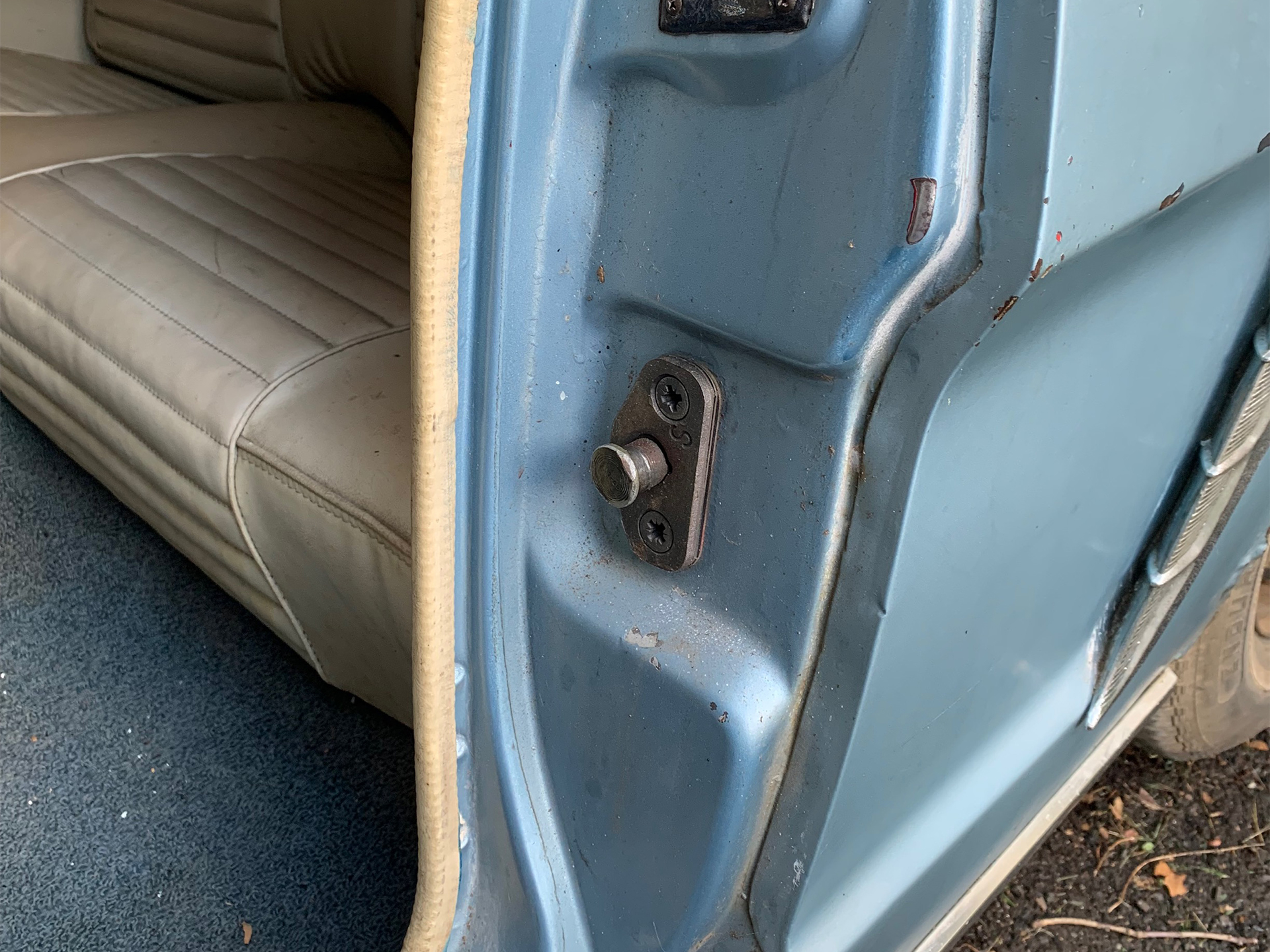
Striker bolt, a.k.a. Nader pin, from a 1965 Ford Mustang coupe. Automakers started making door latch improvements prior to Nader’s book in anticipation of federal regulations. Photo by Gabe Kovacs.
There’s little documentation online about how this term originated, and it’s certainly a bit odd that of all the safety overhauls his work inspired, this was the component memorialized for Nader. But, service techs and parts professionals from that era do remember it as a popular slang term, whether in admiration for the hundreds of lives it saved each year, or out of frustration over the number of belt loops it caught and ripped off.
For whatever reason, if you google “Nader pin” today, you will mainly find videos and instructions for firefighters and EMTs about how to get around this device when extricating someone from a vehicle. It seems that while many mechanics today are only vaguely familiar with the term, it lives on in emergency medical training.
Here’s one example video from a Fire Engineering magazine video on YouTube, where they describe the origin of the term Nader pin at the 6:40 mark:
Another example comes to us by way of a New Yorker article from 2015. Nader opened a museum in Connecticut, and a group of EMTs attended the grand opening with a copy of their training manual to ask for an autograph.
“Why does a car door not fly open in a crash?” the manual reads, as told in the story. “The answer is the Nader pin (named for Ralph Nader, the consumer advocate who lobbied for the device), a case-hardened pin in an automobile door. In a collision, the cams in the door locks grasp the pin to keep the door from flying open, preventing occupants from being thrown from the vehicle. All cars sold in the United States since 1966 have the Nader pin.”
As a result, door openings in a crash are exceedingly rare today, and even less likely to be due to the latch mechanism. The National Highway Traffic Safety Administration estimates that FMVSS 206 saves more than 1,000 American lives a year, totaling more than 40,000 lives since it was enacted.
Some OEMs continued to use the pin-style striker bolt design from the mid-60s all the way into the 2010s, although newer vehicles are more likely to use the loop or wedge-style striker bolt design, which offers even greater resilience by distributing force across a larger cross section.
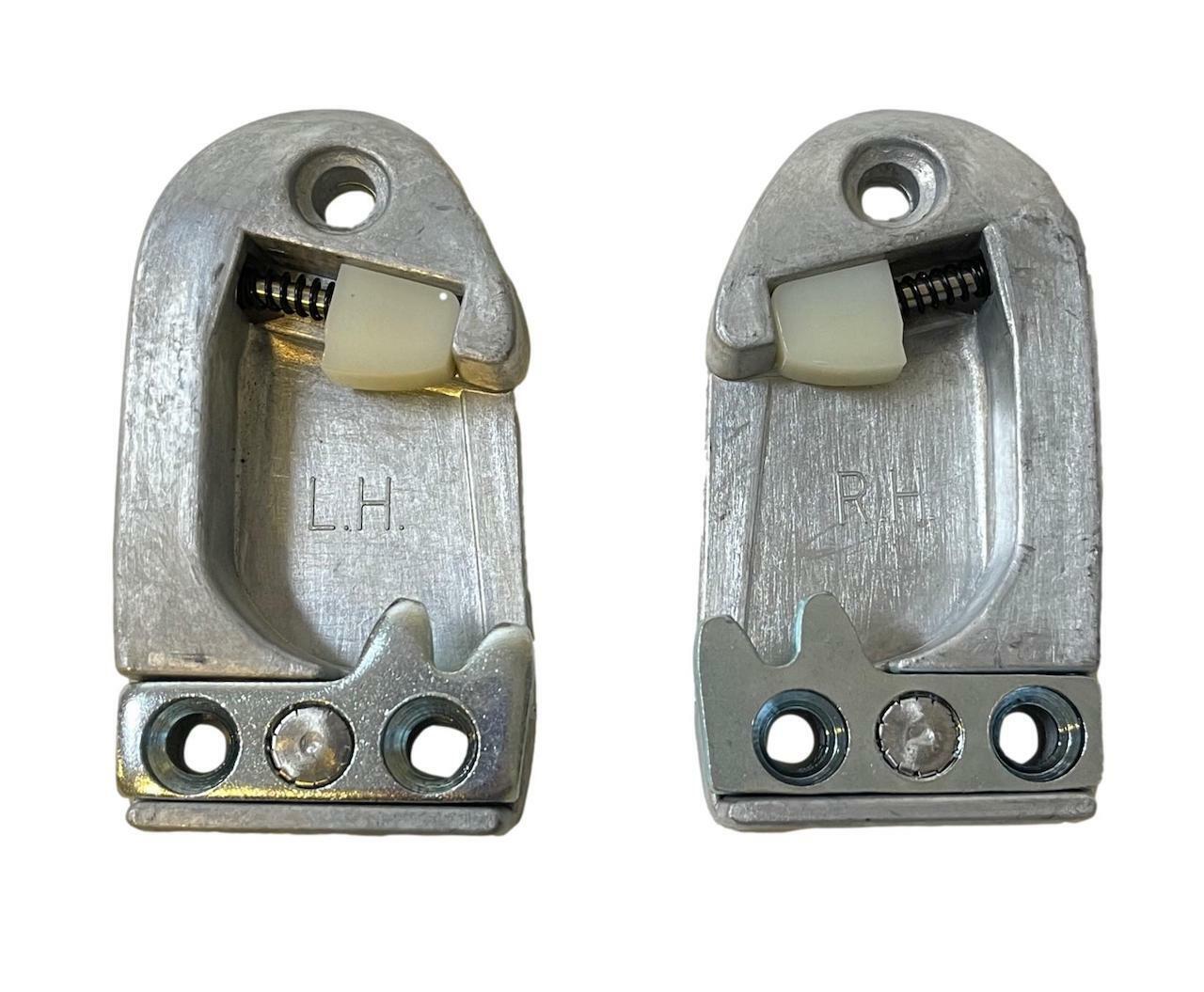
Before the bolt/pin design, striker plates were spring-actuated and worked more like doors in your home.
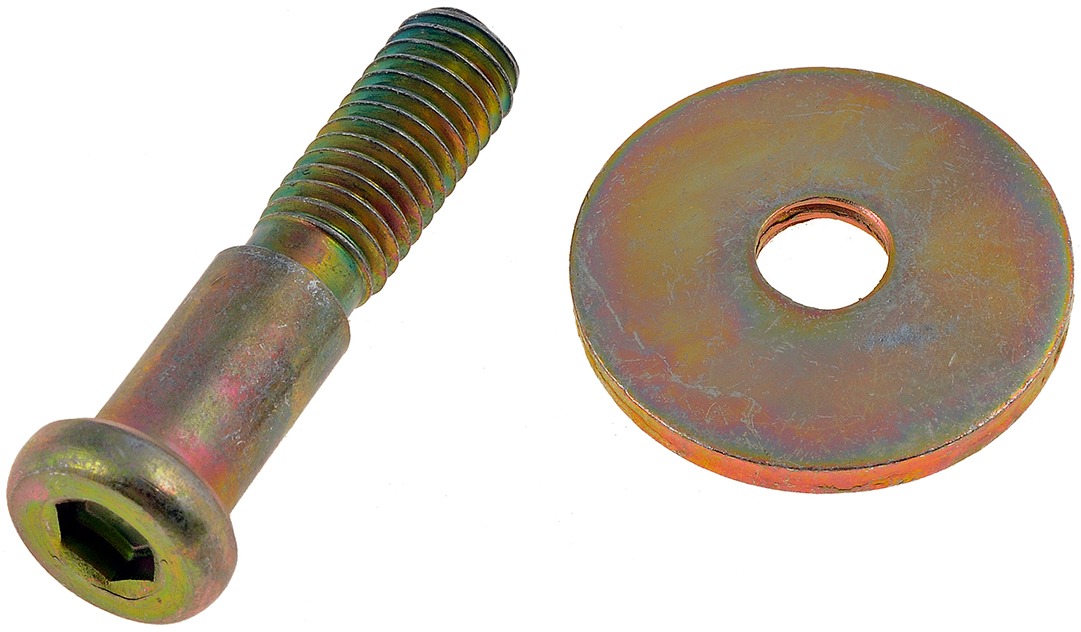
General Motors used a similar striker bolt design for decades.
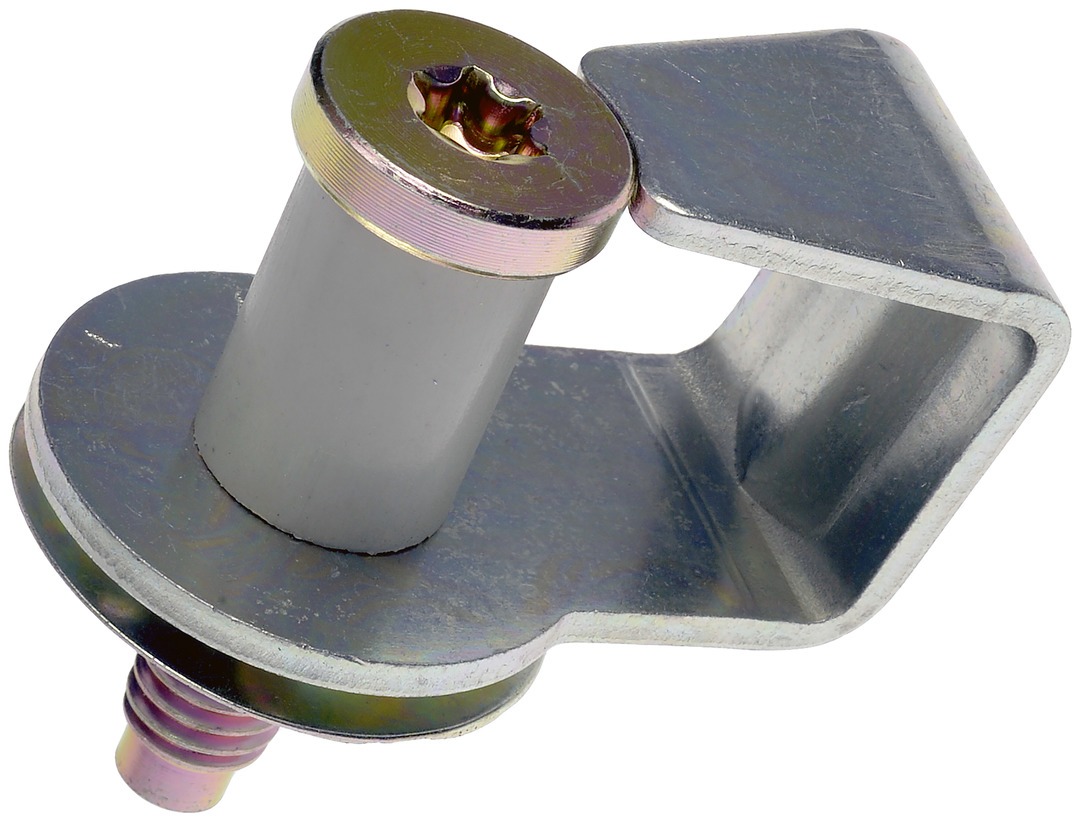
A second generation striker bolt design.

This U-shaped design is most popular today.
That makes the term Nader “pin” a bit of an anachronism today, although Nader, now 88, is still as vocal on vehicle safety as ever.
In January 2021, marking the 55th anniversary of “Unsafe at Any Speed,” Nader released a report titled “Safer Vehicles and Highways: 4.2 million U.S. Lives Spared Since 1966,” in which he lays out a number of new recommendations for improving vehicle safety, including greater requirements for advanced driver assistance systems, passive alcohol detection technology, built-in child restraints, and more.
“This report shows again and again how the auto and highway safety programs enacted into law beginning in 1966, following the publication of ‘Unsafe at Any Speed,’ have saved lives and prevented unnecessary deaths, injuries, and needless suffering and pain for millions of families living in America,” the new paper concludes. “This report delineates how we can do more—much more—to protect the public from such tragedy.”
The articles and other content contained on this site may contain links to third party websites. By clicking them, you consent to Dorman’s Website Use Agreement.
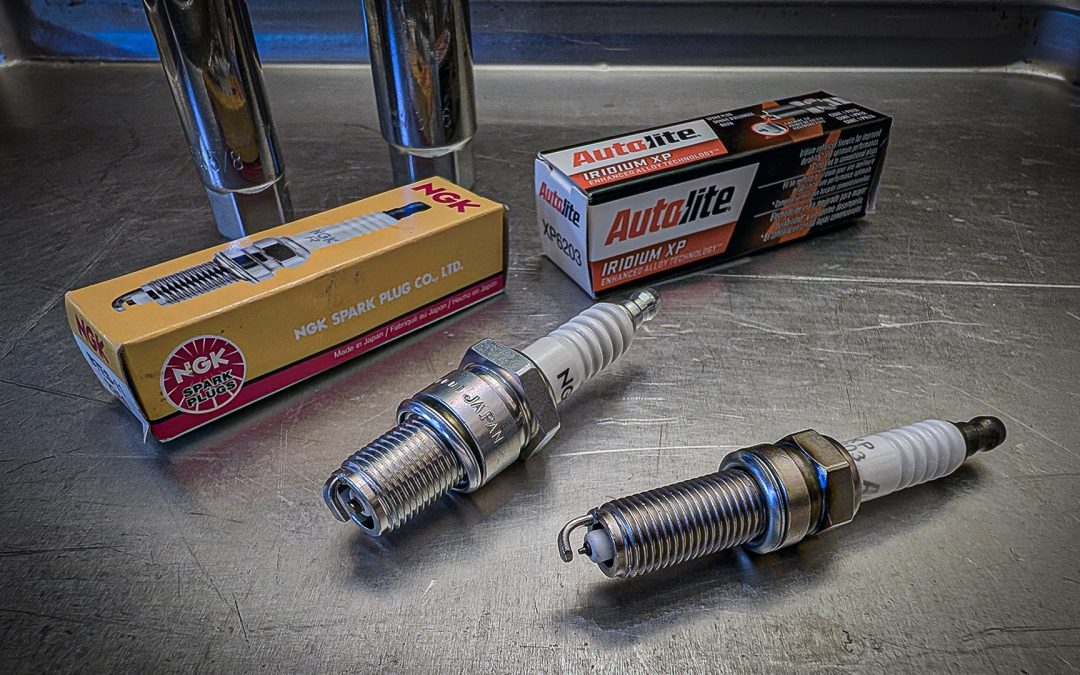
New techs and DIYers should know that not all spark plugs are created, or treated, equally.

Window buttons and toggles are going the way of the dodo. That’s by design.

Get up to speed on a safety feature not often seen in the United States.
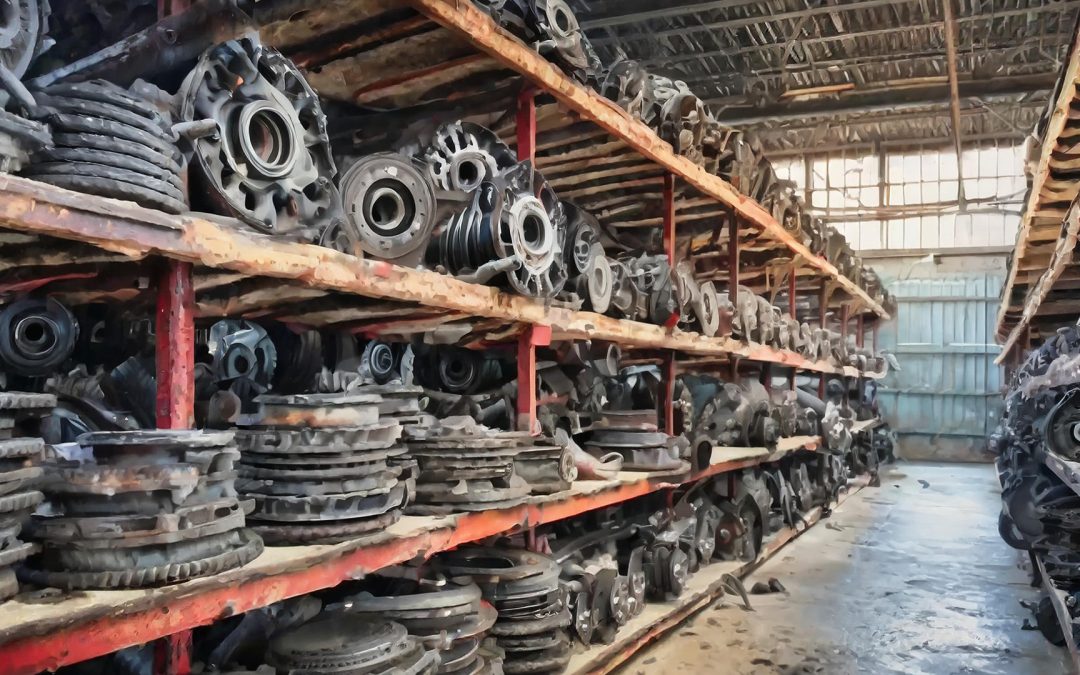
A little glimpse into the world of making old parts new.
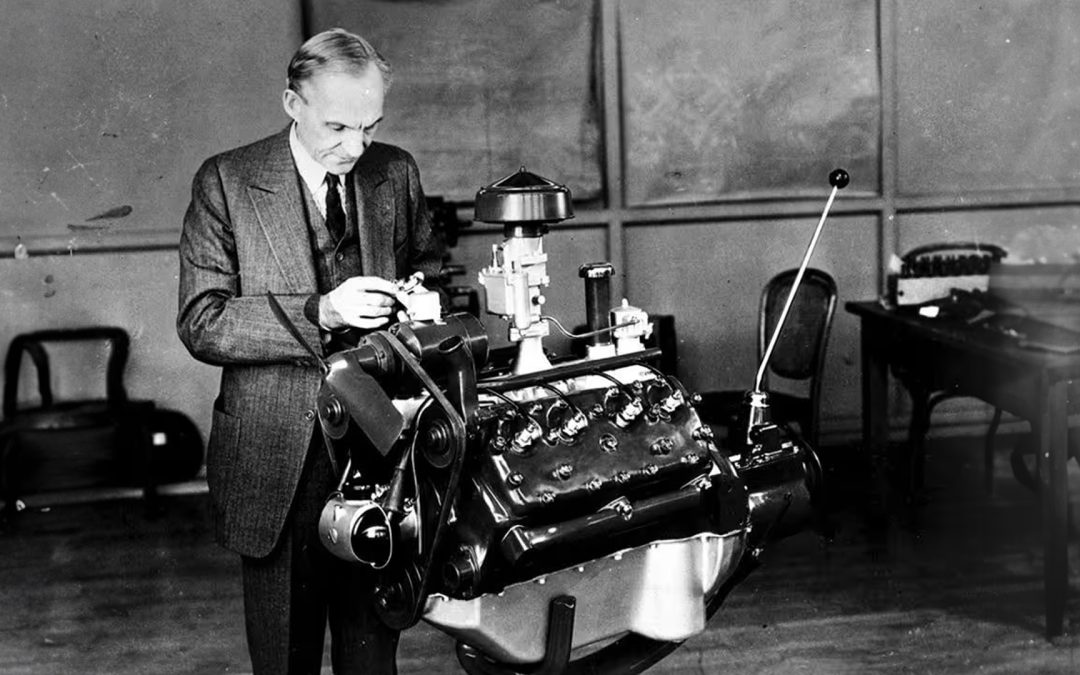
Ford made a V-8 engine affordable to the mass market consumer for the first time.
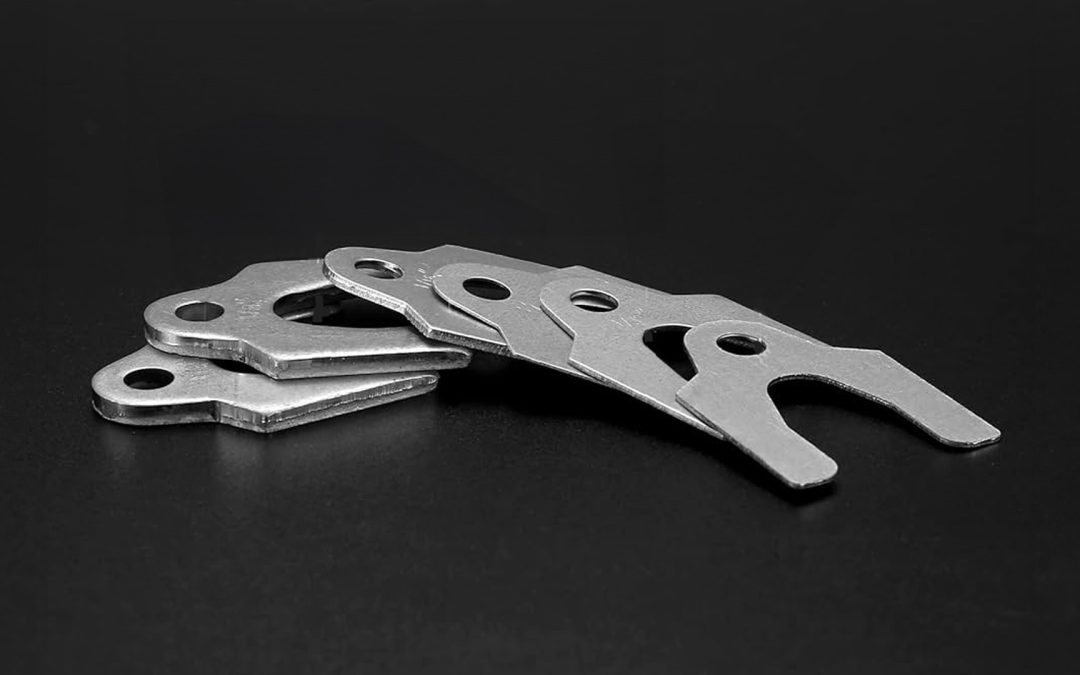
There are applications for shims besides fixing camber and panel gaps.
Participation in this forum is subject to Dorman’s Website Terms & Conditions. Please read our Comment Policy before commenting.