Don’t try to (needlessly) upsell me.

Writers, Print Vehicle Service Histories for Every Vehicle
read more



Don’t try to (needlessly) upsell me.
Recently, I was talking with Shop Press head honcho (Chief Bottle Washer—Ed.) Lemmy about something I wasn’t familiar with: dry sump oil systems. If you’re a newer tech who hasn’t worked on any high-end sports cars, you also might not be familiar with these systems. While you might not run into such exotic machinery on a regular basis, it’s critical to understand the difference if you’re asked to perform the most basic of services: the oil change.
Dry sump systems store oil in a separate tank as opposed to the traditional oil pan underneath the engine, which is what wet sump systems do. Dry sump systems are perfect for racing and high-performance applications because their design lowers the center of gravity while improving reliability and oil pressure consistency in high-G situations, where oil in a wet sump might move to an area where the pickup can’t reach. Dry sump systems are found on Formula 1, Indy, Superspeedway stock, and Le Mans cars, as well as some Honda, Triumph, and Harley-Davidson motorcycles.
Although the overwhelming majority of road cars use wet sump systems, there are some that use the dry variety. Those include most Ferraris, many Lamborghinis (excluding the Urus), McLarens, the Porsche 911 GT3 RS, the Chevrolet Corvette Z06 and C8 models, the Mustang GTD, Ford GT, and the Mercedes-AMG GT.
So why don’t more passenger cars use dry sump systems? Well, mostly because they add cost, complexity, and weight to the vehicle. Any one of those by itself would probably preclude the system from being installed on your typical grocery-getter; taken together, they annihilate any chance of that happening.
Check out this video for more on wet sump versus dry sump oil systems, all in just 60 seconds.
The articles and other content contained on this site may contain links to third party websites. By clicking them, you consent to Dorman’s Website Use Agreement.
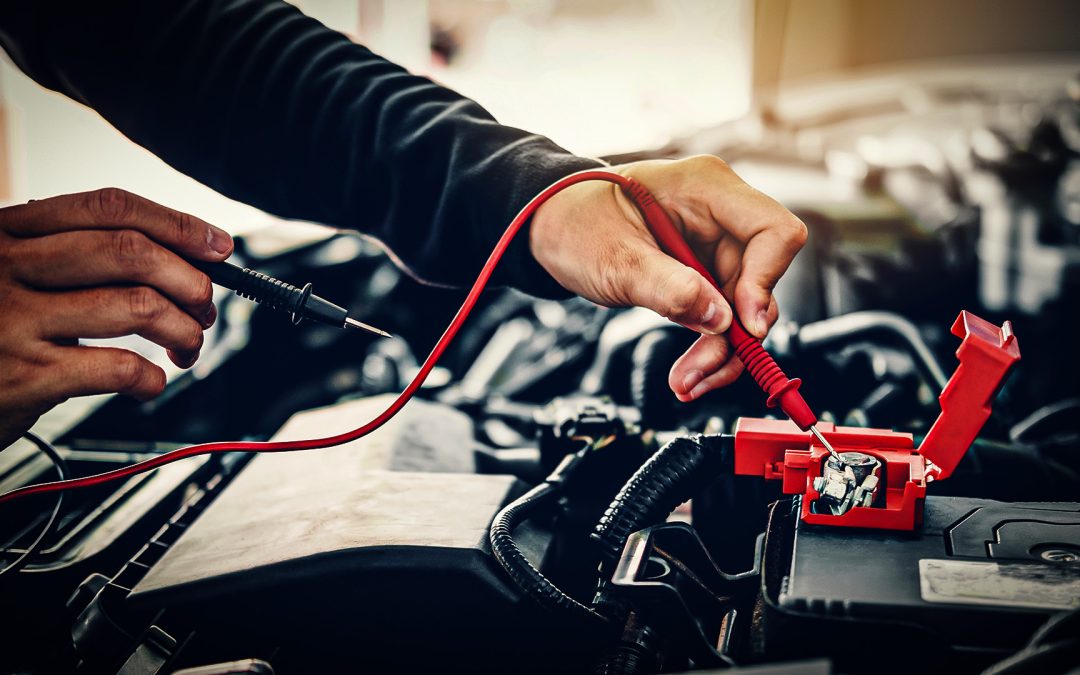
Draw a hard line when it comes to basic diagnostics.

Technician A says thrust angle must be set to zero on many ADAS-equipped vehicles during alignment. Technician B says the steering angle sensor and front wheel position must be correct before camera or radar calibration. Who is correct?

They may look simple, but these little toggles can enable powerful electronic versatility.
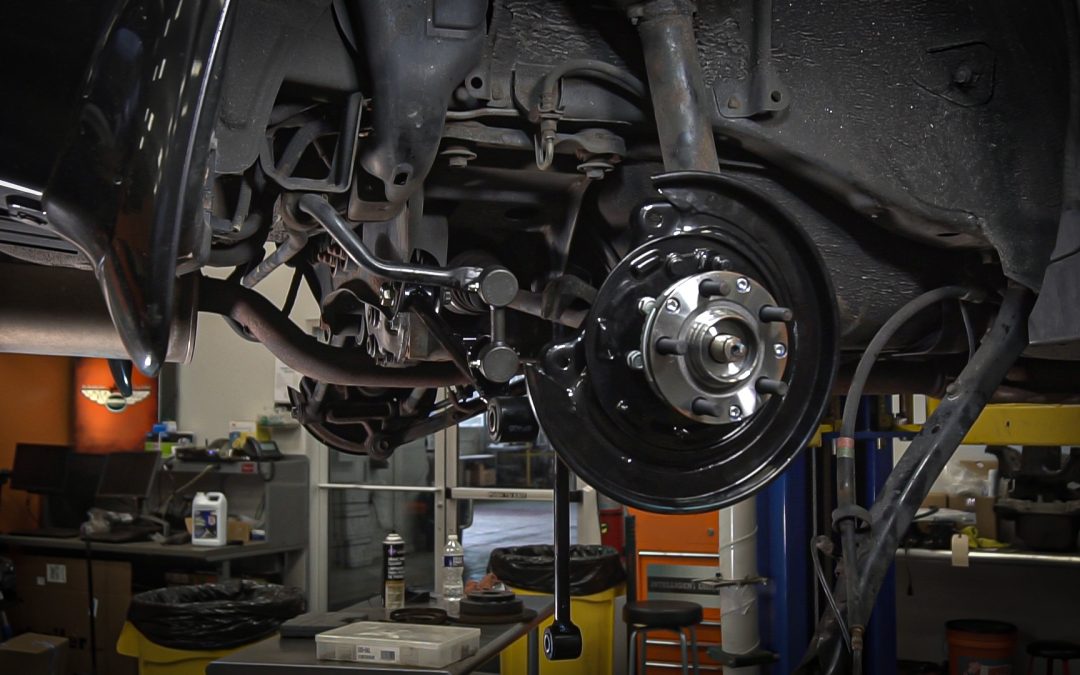
Loaded knuckles streamline wheel bearing and suspension repairs to help shops boost efficiency and profitability.
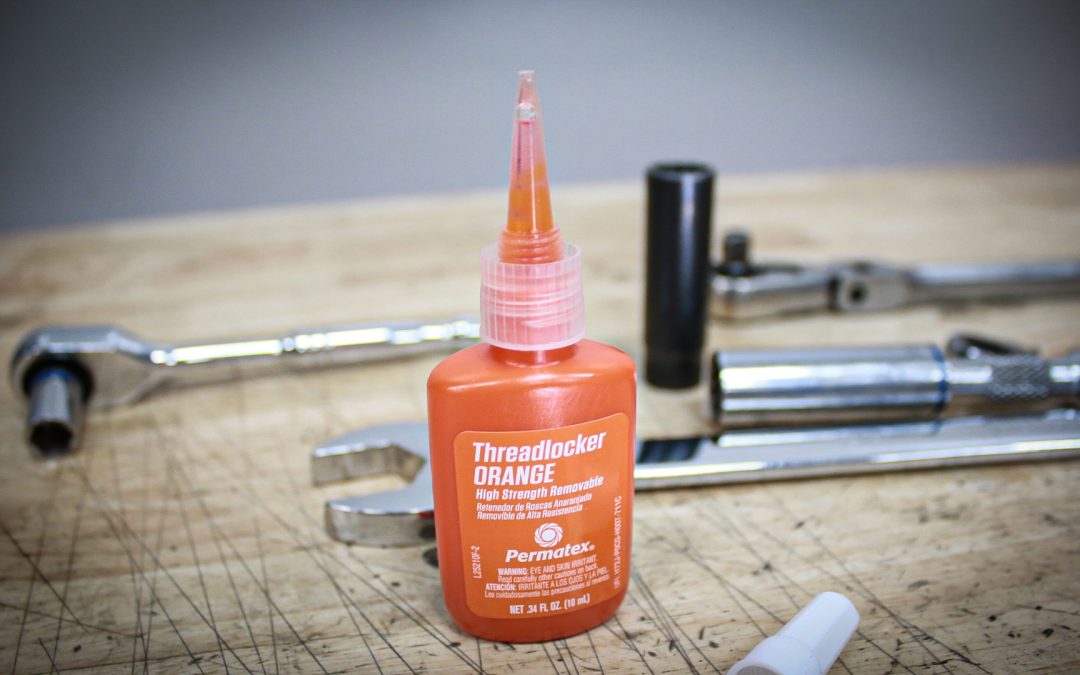
Can there be one threadlocker color to rule them all?
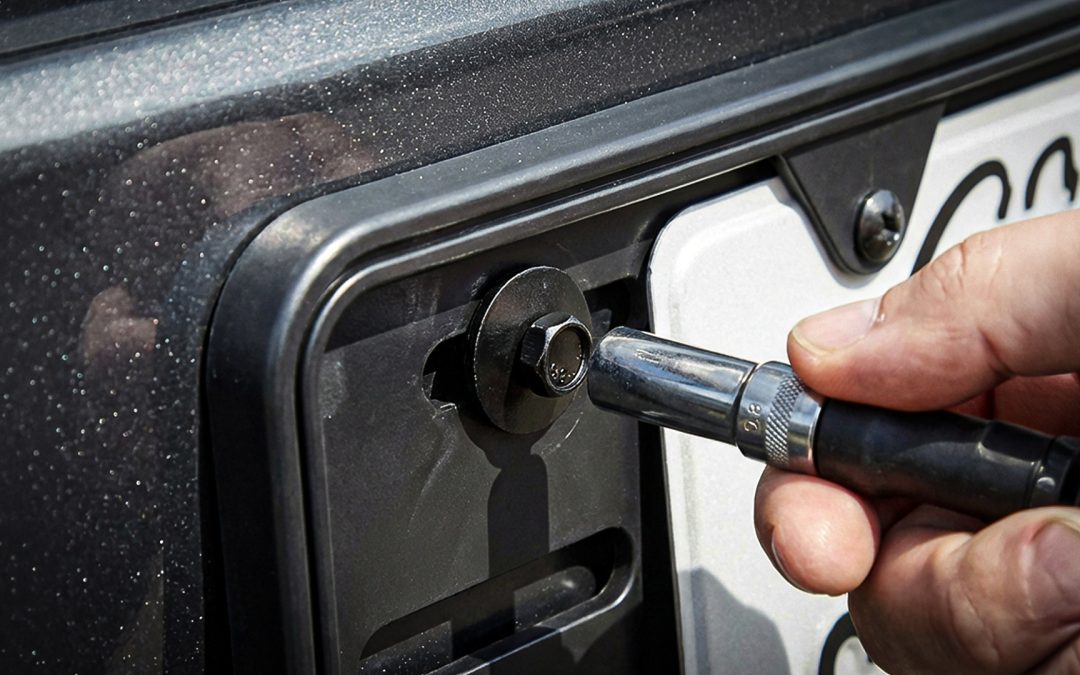
When it comes to threaded items, wrong is right. Or is it left?
Participation in this forum is subject to Dorman’s Website Terms & Conditions. Please read our Comment Policy before commenting.