Customers don’t realize it needs attention. Sadly, many mechanics don’t, either.
The Most Neglected Part of the Cooling System
read more


Customers don’t realize it needs attention. Sadly, many mechanics don’t, either.
I feel silly admitting it, but I didn’t know what a breaker bar adapter was for a long time. When I learned what it was and what it does, I immediately thought that the tool was useless. Then I changed my mind. Lemme tell you why.
Just in case you don’t know what a breaker bar adapter is, it’s a small ratcheting mechanism offered in all the common drive sizes. There’s a female end that the tool drives, and a male end that transfers power to the socket of your choice, and a switch to change direction. Simple, right? After seeing it, my immediate thought was, “But I own ratchets and I own breaker bars; why would I ever want a tool like this?”
Then I got one. It came to me in a package deal, but I wound up using it way more than I ever could have guessed. Here’s why you need one.
In some of the shops I have worked, I’ve been blessed to have multiple lift bays—but not all of them! More than once I’ve worked on a car in a “dead bay” (a stall with no lift) or even right out in the lot. In some parts of the USA and Mexico, outdoor lifts are common, too, and if you don’t have air or power nearby (or you’re working “in the field”—literally), the adapter is great for getting wheels off vehicles.
You may be rolling your cart to the vehicle or worse yet, maybe you have an armload of tools while you try and drag the floor jack to the vehicle. Options at this point are not great:
…unless you have a breaker bar adapter that fits in a pocket. Break the lug nuts loose, pop the ratcheting adapter on, and spin ‘em off.
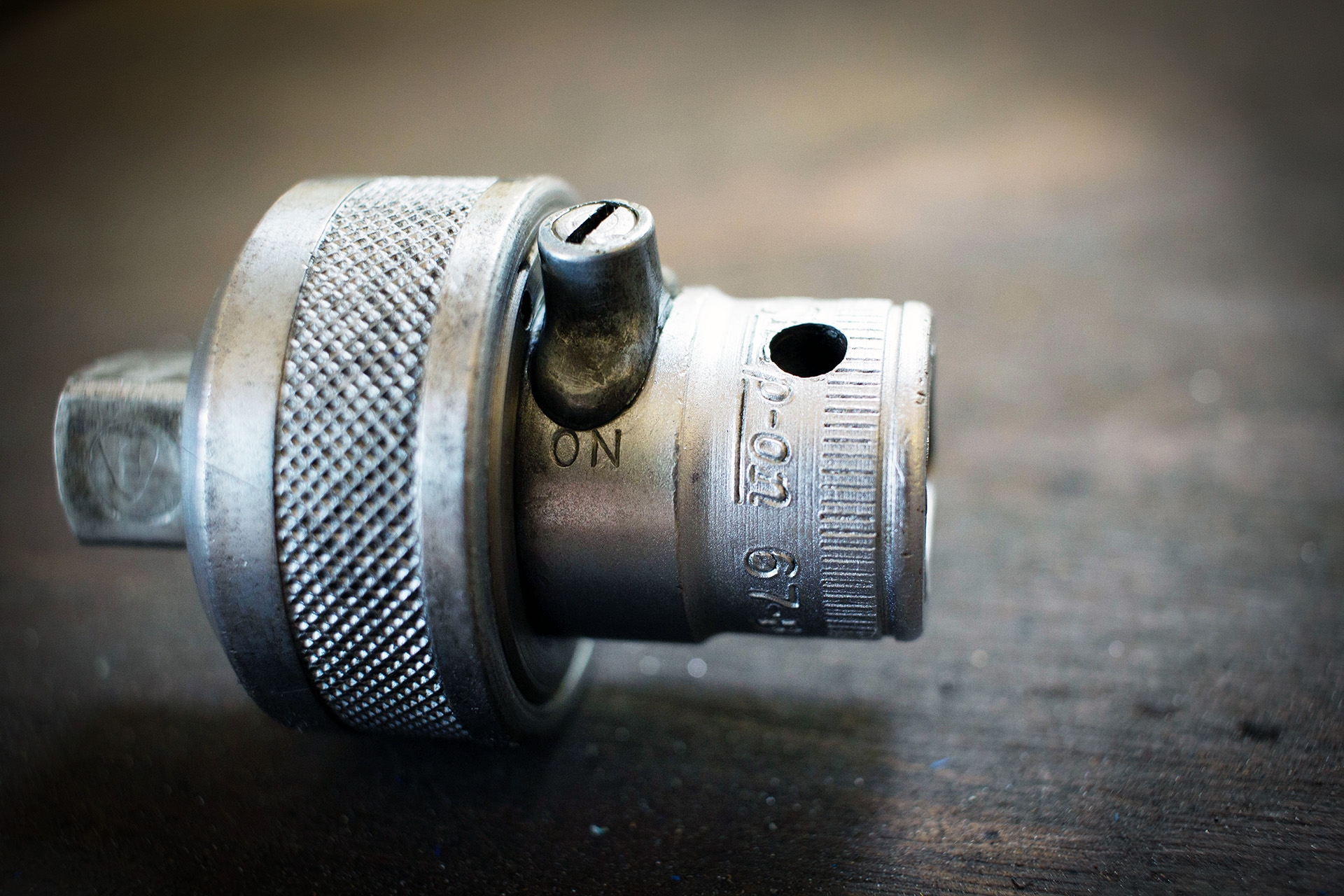
A breaker bar adapter is worth its weight in gold. Photo: Lemmy.
You may have just read that last section and said, “Hey dude, get with the times. I have cordless impact tools so I don’t have to do that.” I’m in the same boat, buddy! But surprisingly, a ratcheting adapter can make your impact (cordless or air) more useful, too.
Many small engines like the ones on your generator, pressure washer, leaf blower, or tiller are pull-start to lower cost, reduce maintenance, and make packaging the powerplant easier. The pull cord has a ratcheting mechanism built in to prevent breakage in the event the engine kicks back.
If you have a ratchet adapter and set it to ratchet in the correct direction, you can remove your pull-starter and leave the crankshaft nut exposed and use your impact for effortless starting of power equipment. (The ratchet, of course, protects your paw and your impact from detrimental effects of an angry engine that’s kickin’ back at you.)
I was taught to break items free with a breaker bar, then employ my ratchet. I break that rule constantly with 1/4” and 3/8” drive tools. However, at 1/2” drive and larger, I feel that breakage and personal injury start to really become concerning—you move from the “skinned knuckles” bracket into “lost tooth.”
The adapter makes it easier for me to follow the rules and do it the right way.
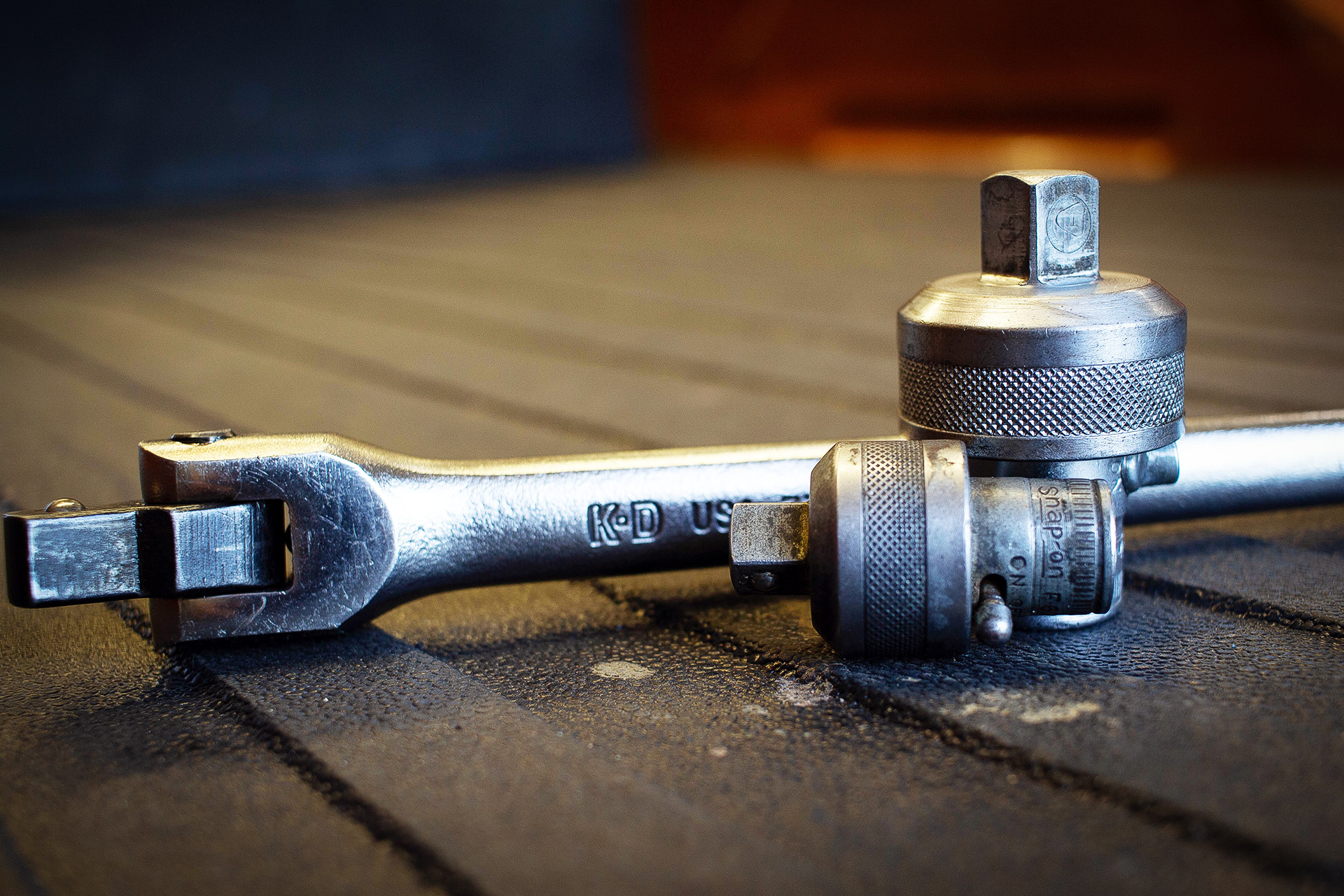
Breaker bars will limit the heavy wear and tear on your more expensive tools. Photo: Lemmy.
Now maybe you’re a little simpler and don’t have fancy, expensive tools. For whatever reason, I have found it is almost always cheaper to purchase a breaker bar and its mating ratcheting adapter than it is to purchase a dedicated ratchet. It won’t save you a ton of money and it’s a different tool use experience, but it does bear consideration.
I’m not the biggest fan of click-type torque wrenches. (I really like the beam ones, though.) My click wrenches do have one party trick that makes them very valuable, though: they ratchet. That can be helpful in an area with limited swing; it saves you from doing the rotate-the-socket-and-see-if-you-have-a-twelve-pointer-in-the-drawer thing.
A ratchet adapter makes any beam- or meter-style torque wrench easier to use because it ratchets, of course. Its usefulness is compounded because not only does it make the tool faster to use when tightening the fastener, but it also increases the odds you can see the dial or beam pointer head-on for an accurate reading due to having more positions than the best combination of wrench flats and square drive offer.
Because they’re used reasonably infrequently, most of the used adapters I come across are in pretty excellent shape, so it’s very possible to get a great quality name for a modest sum. I changed my mind about ratchet adapters when I found how useful mine was, and I bet a few of you might have a similar experience.
The articles and other content contained on this site may contain links to third party websites. By clicking them, you consent to Dorman’s Website Use Agreement.
Technician A argues that the 20/20 Rule captures most lab scope signals, while Technician B counters that a DSO doesn’t record signals in real time but samples and plots voltage data. Who is correct?
Technician A says the ECM’s main job is to keep emissions within certified limits. Technician B says fuel trim PIDs show corrections to fuel calculations. Who is correct?
Supplemental information to make your first rodeo a little easier.
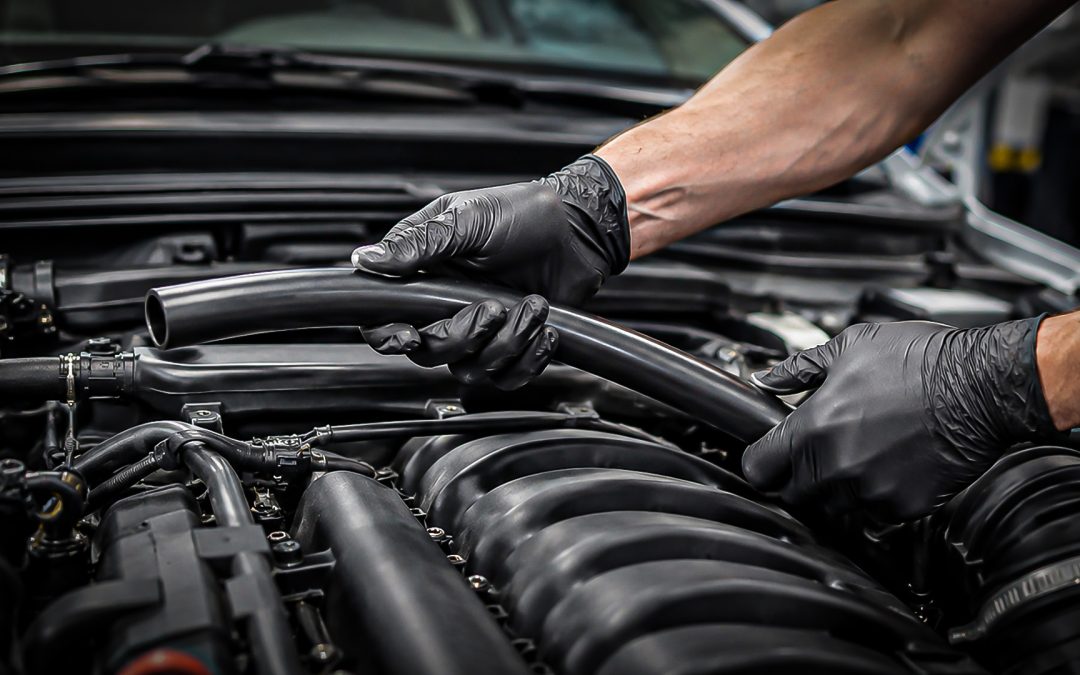
There’s no magic bullet—but there are a few arrows you can pull from your quiver.
Technician A says an empty DEF tank can cause a no-start condition. Technician B says DEF quality should be checked when SCR faults are present. Who is correct?
Customers don’t realize it needs attention. Sadly, many mechanics don’t, either.
Participation in this forum is subject to Dorman’s Website Terms & Conditions. Please read our Comment Policy before commenting.