Customers don’t realize it needs attention. Sadly, many mechanics don’t, either.

The Most Neglected Part of the Cooling System
read more



Customers don’t realize it needs attention. Sadly, many mechanics don’t, either.
I believe we’re all familiar with the trope of the shadetree mechanic who has hardware left over, right?
While I’m sure you’re not sending vehicles out the door missing their hardware, I think it is safe to say we’ve all been slowed down by a pile of fasteners. A long time ago, a smart mechanic showed me a trick I’ll pass along for those of you who don’t know it. That tech showed me how to look for witness marks.
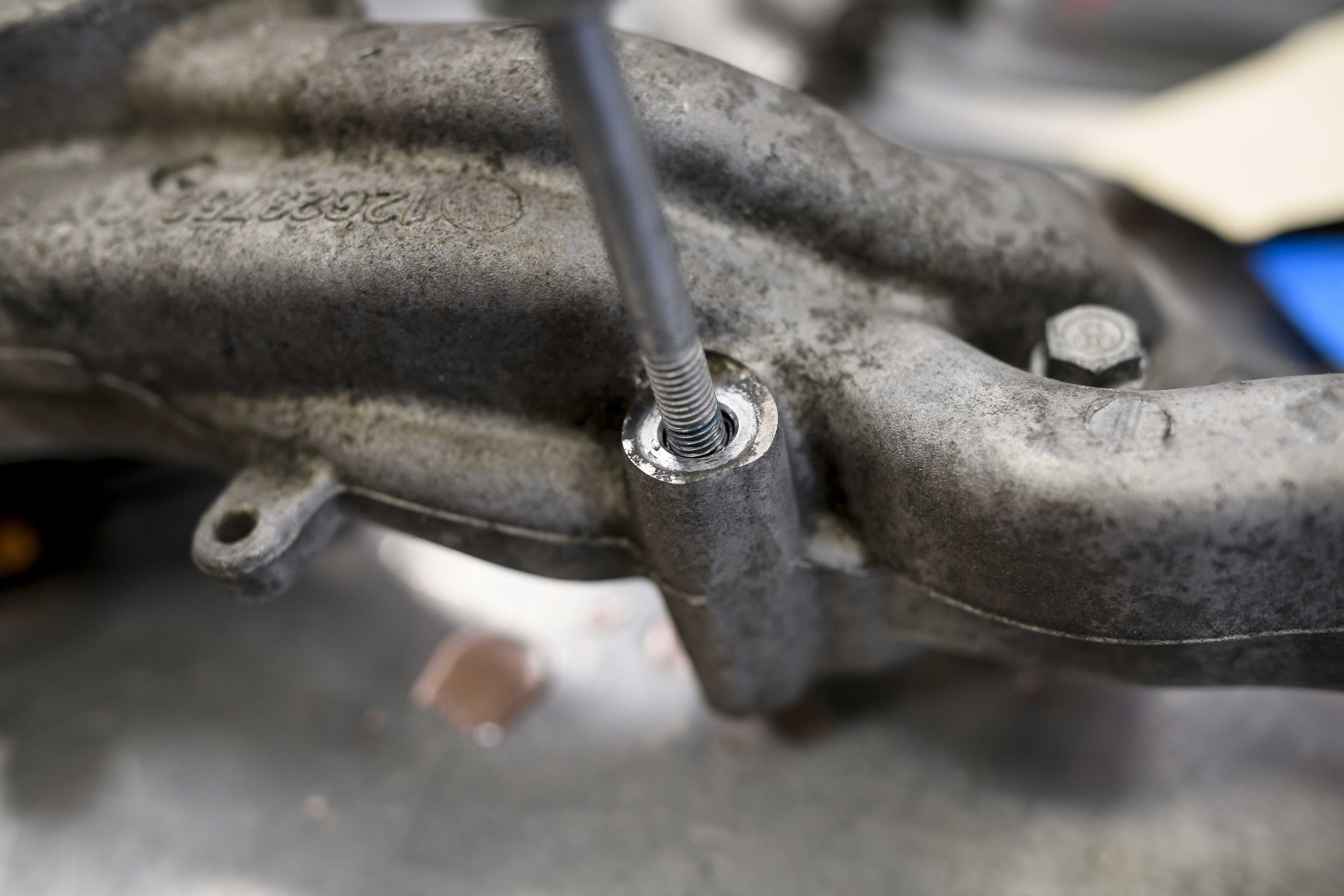
Photo: Mike Apice.
Witness marks are, in their loosest definitions, visual indicators of how (or where) an item should be positioned relative to another item. Many witness marks are made intentionally, like the marks you probably make on a driveshaft to index it correctly when it’s reinstalled. However, in a looser interpretation, a witness mark can also be generated naturally. Often, parts like fasteners and the objects with which they interface generate visual evidence that indicates how the items were positioned or assembled.
That’s sort of a fancy way of saying “tools and fasteners leave marks, which can be used as clues.” For instance, most people working a parts counter have been trained to examine mounting ears on new rotating electrical parts to determine if it’s been installed. If there’s a telltale shiny circle made by a bolt when it was tightened against the part, odds are good that part has been on a car. That circle is a witness mark.
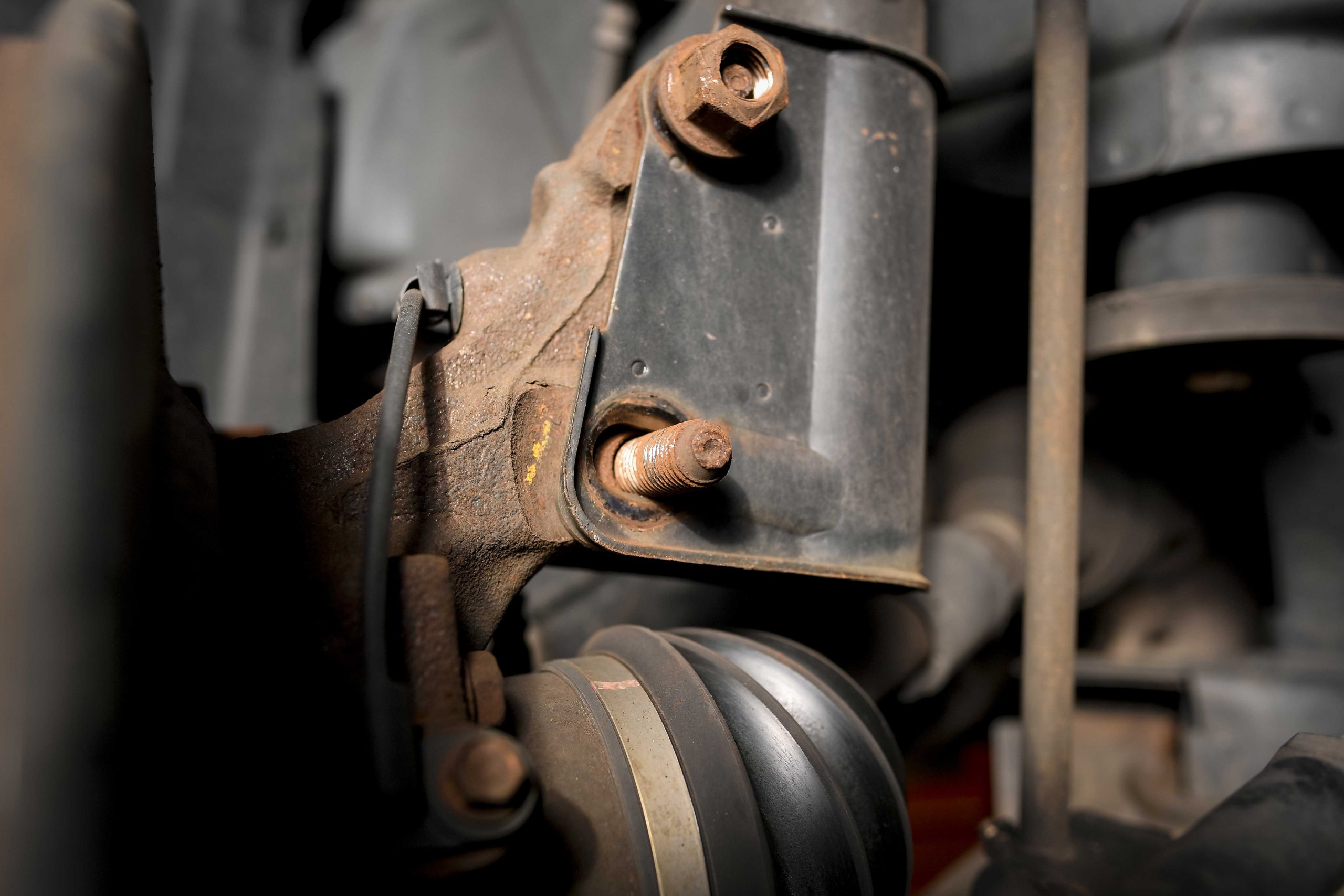
Photo: Mike Apice.
Similarly, fasteners will often remove paint or other coatings from a surface against which they bear. You may also see fresh paint under the head of a fastener in a rusty area, or sun- or weather-faded areas of parts that give clues as to how they need to be assembled or what fastener is to be used in a given spot.
And, of course, even the diameter of the mark can help you match the correct washers or shouldered fasteners. Got a big mark around that hole? Probably had a big washer in there. Deep gouge at one spot? Maybe that was from a lock washer. Gouges all under the head of the fastener? Maybe there’s a serrated shoulder bolt in your pile of hardware. Witness marks can indicate that somebody has removed or adjusted something in the past, too. Rounded or well-worn bolts can let us know someone may have been inside an assembly before, and may also give clues that a particular job has either been a problem in the past or maybe wasn’t serviced correctly.
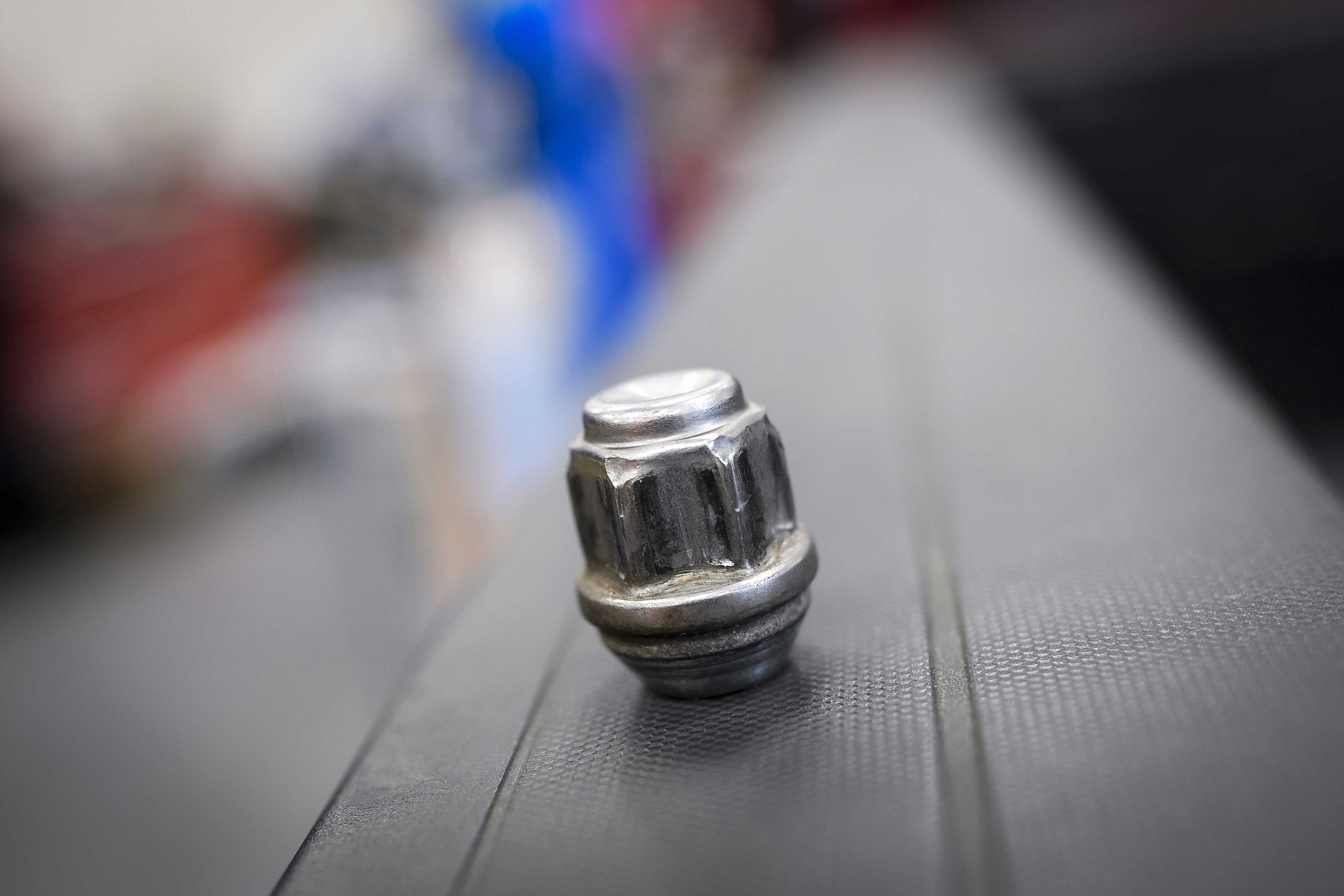
Photo: Mike Apice.
And as a parting bonus tip I’ll offer, adding an index mark can help you retorque a fastener with field-level accuracy. Indexing to a previously scribed line will get you in the ballpark. I’ve had success with this method in a lot of venues: I’ve used these before disassembling electronics with delicate plastic housings that I didn’t want to crack. I’ve even found use for this system when retorquing torque-to-yield cylinder head bolts that loosened on a maiden voyage. And those of you working on Class 6-8 trucks probably visually check a thousand wheel nut indicators a week just out of habit—those are a type of witness mark, too!
Every part tells a story. Sometimes, it pays to listen.
The articles and other content contained on this site may contain links to third party websites. By clicking them, you consent to Dorman’s Website Use Agreement.
Customers don’t realize it needs attention. Sadly, many mechanics don’t, either.
We don’t think much about spark plugs unless we think they’re the cause of a misfire concern, do we?
Well, that’s straightforward. But why?

Proper cooling system maintenance goes beyond time and mileage, requiring technicians to evaluate coolant condition, additive depletion, and the root causes behind cooling system issues.

Technician A says other codes should be diagnosed before replacing the converter for a P0420 code. Technician B says an upstream exhaust leak can trigger the code. Who is correct?

Cylindrical? Not really.
Participation in this forum is subject to Dorman’s Website Terms & Conditions. Please read our Comment Policy before commenting.