Customers don’t realize it needs attention. Sadly, many mechanics don’t, either.
The Most Neglected Part of the Cooling System
read more



Customers don’t realize it needs attention. Sadly, many mechanics don’t, either.
It’s a pretty safe bet that most younger techs haven’t heard of frits before. Not one single customer, ever, has come into your shop looking for some help with a frit problem. So while this article won’t help you turn bays faster or improve your diagnostic skills, it’ll give you a better understanding of some really clever passive technology that you’ll find on virtually every modern car and truck.
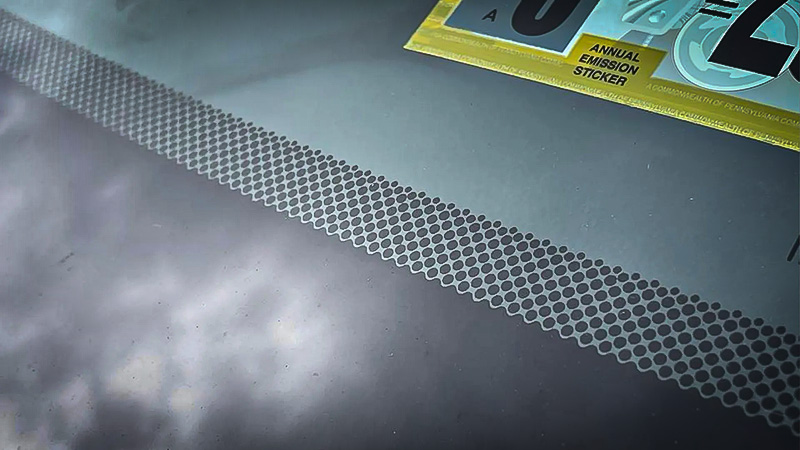
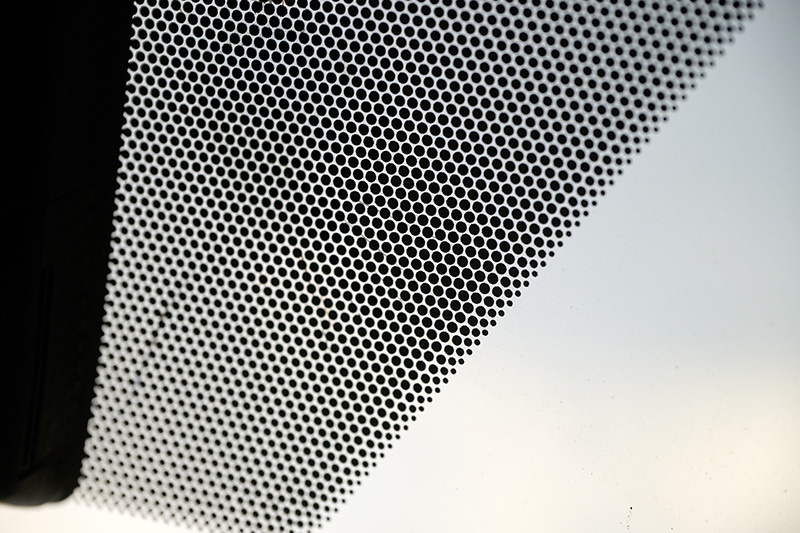
Frits, if you haven’t already guessed, are the little black dots found in bands and borders across windshields, also found on other vehicle glass like side/back windows and sun/moonroofs. Those dot patterns aren’t just there for looks. They’re actually a safety feature, literally baked into the glass design.
Frits are made of finely ground glass and pigments, applied in a kind of “dot matrix” gradient pattern to the glass surface at high temperatures. Notice how the pattern always fades away from the glass edges? That’s because the primary function of frits is managing heat distribution at the edges of the glass. Glass in automotive applications does not always heat equally, nor does it have uniform curvature across its entire span. Frits are added to the perimeter of the glass to manage those differences. So why not use a solid stripe? That would introduce a risk of fracturing at the hard transition line due to temperature differences, so the frits effectively “feather” it out.
Frits also prevent window adhesive degradation from UV rays. Fixed glass pieces, like windshields, sunroofs/moonroofs, and quarter glass, all rely on adhesives to seal out the elements (important) and stay in place in the event of a collision (extremely important). Remember, fixed glass is structural in vehicle design!
The adhesive used to bond glass to cars is often black, so frits also pull double duty here as a handy way of covering up the goop and leaving a clean, finished look at the glass edges.
You won’t see frits on antique cars because they simply didn’t need them. Until the 1950s and 1960s, glass was typically secured with metal trim and rubber strips. Old window glass pieces were usually flat and simple, too, so there wasn’t much curvature to worry about. Crash testing, material advancement, and automotive design pushed the industry to adhesives which, in turn, drove the development of frits to make sure glass stayed sealed, secure, and crack-free in all conditions.
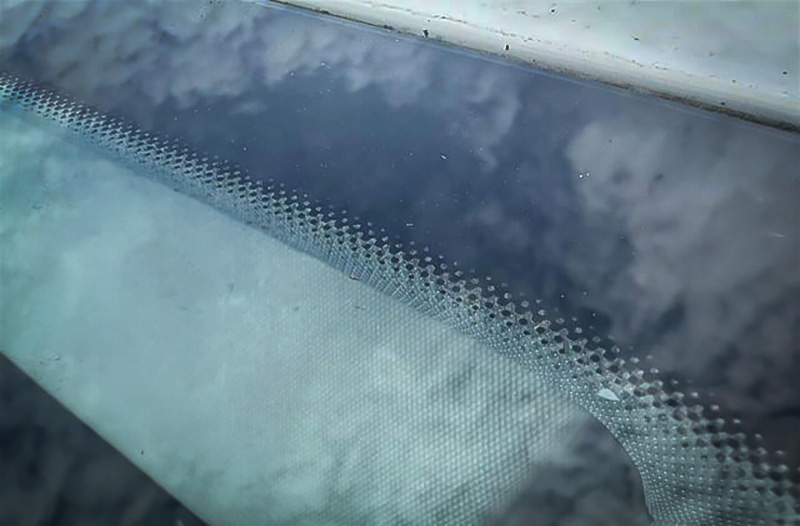
Frits are a mature technology at this point, and just like other safety equipment, automotive designers have found ways to incorporate them into styling. On some Wranglers, you can find a tiny Jeep-shaped frit in the corner of the windshield glass, made to look as though it’s driving up a little hill.
Managing heat across glass is an old problem, and frits are the automotive answer for now. Smarter glass technologies, like electrochromic designs and high-tech coatings, might kick the ol’ frits to the curb someday. But for now, these little dots are doing a pretty good job of keeping us safe.
The articles and other content contained on this site may contain links to third party websites. By clicking them, you consent to Dorman’s Website Use Agreement.

If it ain’t broke, don’t try to fix it.
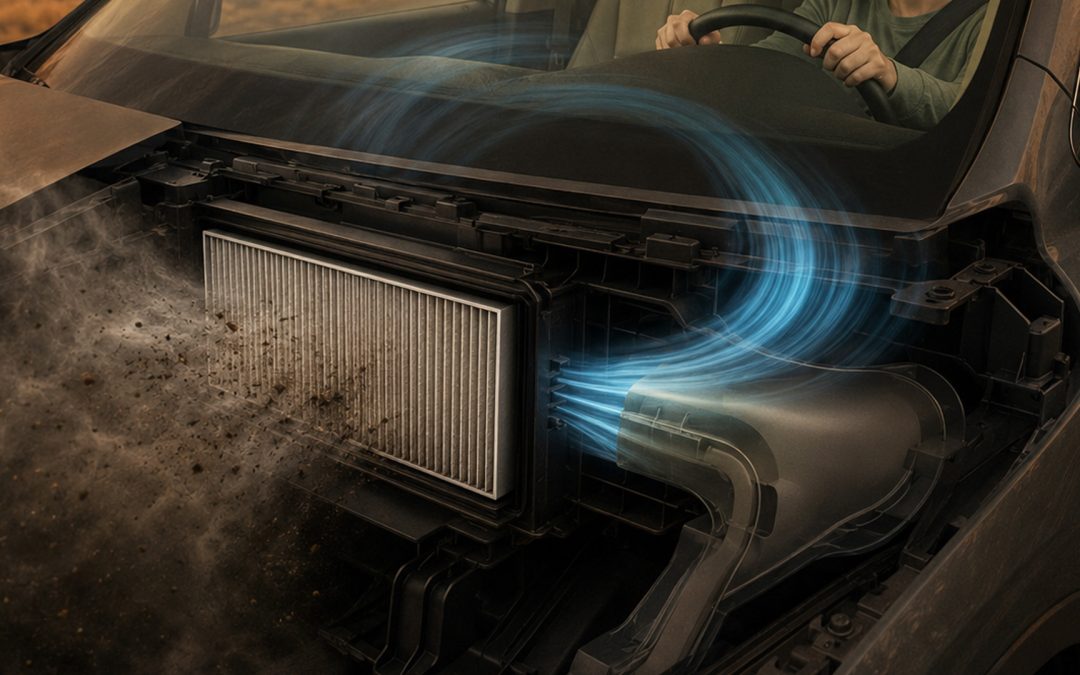
Can a vehicle’s air filtration help keep you safe from wildfire smoke and poor air quality?
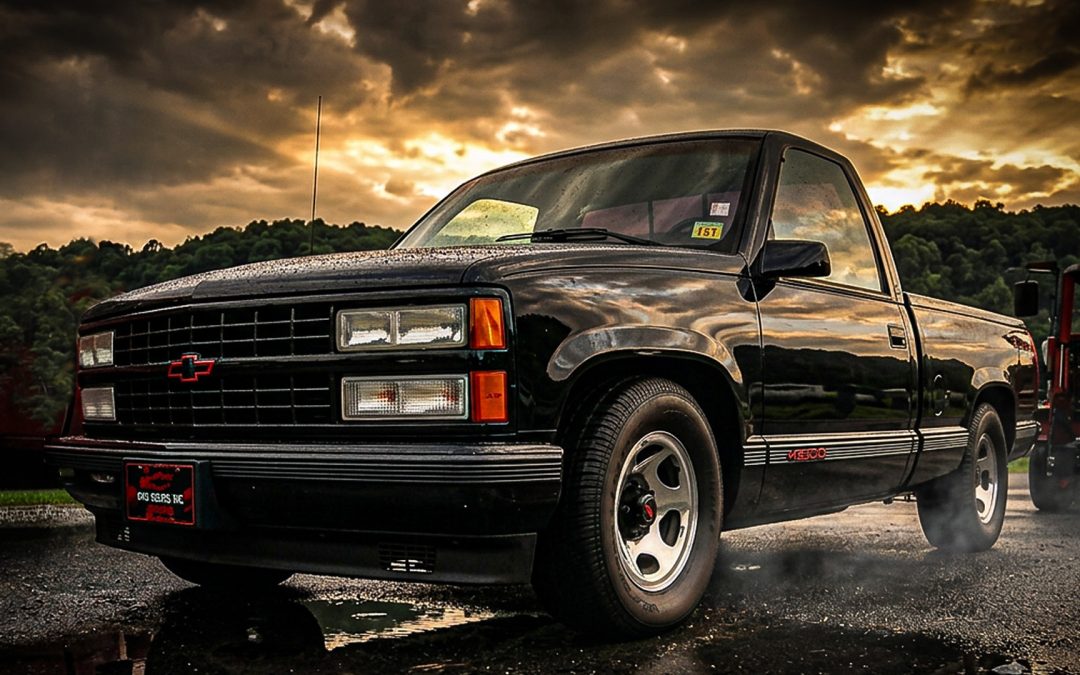
The 454 SS combines the time capsule looks of the GM GMT400 platform with an entertaining drive that harkens back to the muscle car heyday.

Spoiler alert: yes!
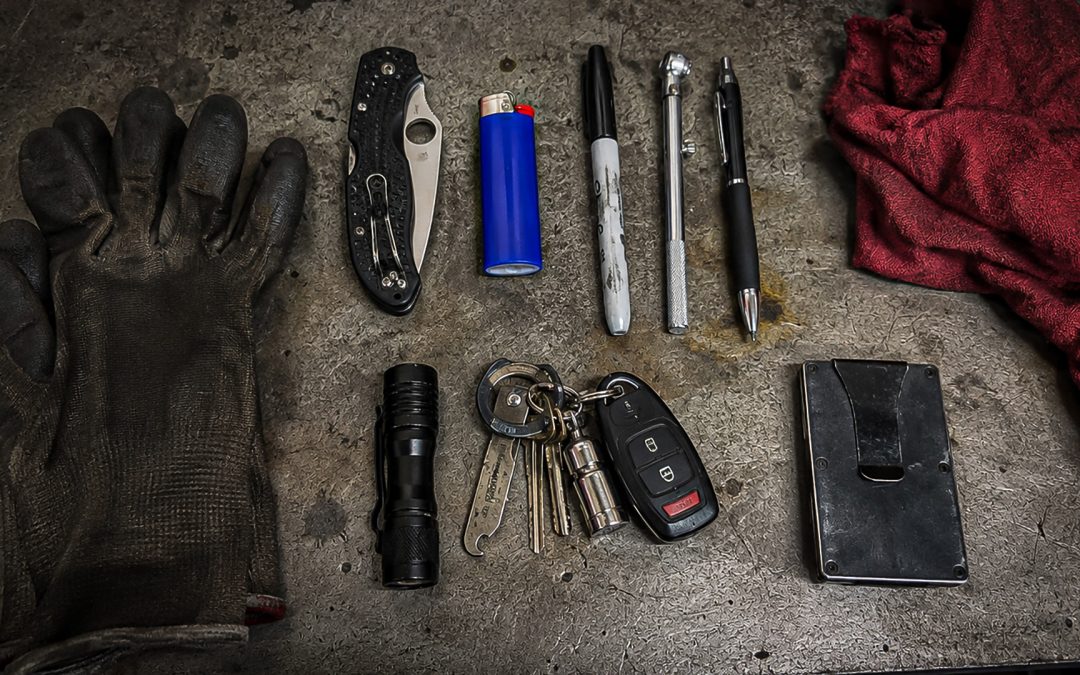
Pocket check!

Car thieves are getting smart. You need to be smarter.
Participation in this forum is subject to Dorman’s Website Terms & Conditions. Please read our Comment Policy before commenting.