Customers don’t realize it needs attention. Sadly, many mechanics don’t, either.
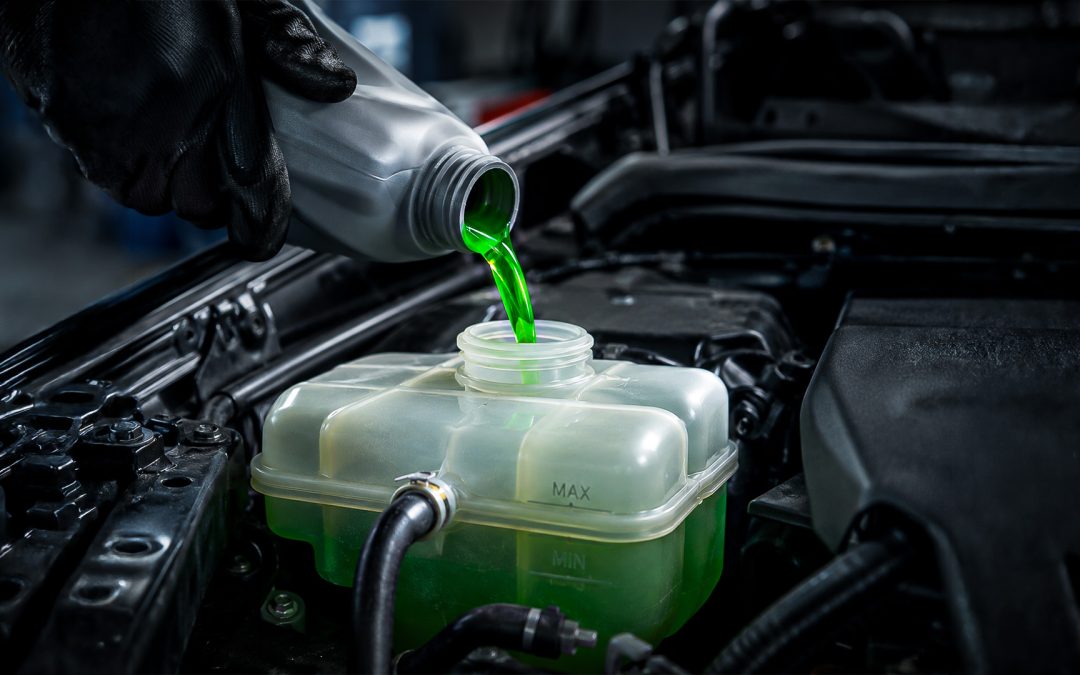
The Most Neglected Part of the Cooling System
read more



Customers don’t realize it needs attention. Sadly, many mechanics don’t, either.
Recently, I wrote about how brake cleaner can be hazardous if not used correctly, and how you should take safety precautions when using it. One of our readers had an insightful comment on the piece.

Now, I think it’s debatable that carburetor cleaner is more hazardous than brake cleaner. It largely depends on the specific chemical formulations, but chlorinated brake cleaner, at least, is certainly harsher than carb cleaner. Like brake cleaner, it’s understandable why techs love their cans of carb cleaner. It effectively dissolves stubborn deposits of varnish, gum, and carbon, but you probably don’t see too many carburetors in your bay unless you work at a specialty shop. So why is carb cleaner still found in nearly every shop and auto parts store? It’s a good solvent for cleaning fuel system parts, and unlike brake cleaner, it can leave a light protective residue that is sometimes beneficial. However, safety precautions should also be taken with carb cleaner.
Carb cleaner is a complex mixture of potent chemicals. Depending on the specific chemical formula, it can contain acetone, xylene, toluene (also a component of brake cleaner), methyl ethyl ketone (MEK), ethyl benzene, 2-butoxyethanol, and propane.
Exposure can occur through inhalation, skin contact, eye contact, and ingestion, with each route posing a distinct set of dangers.
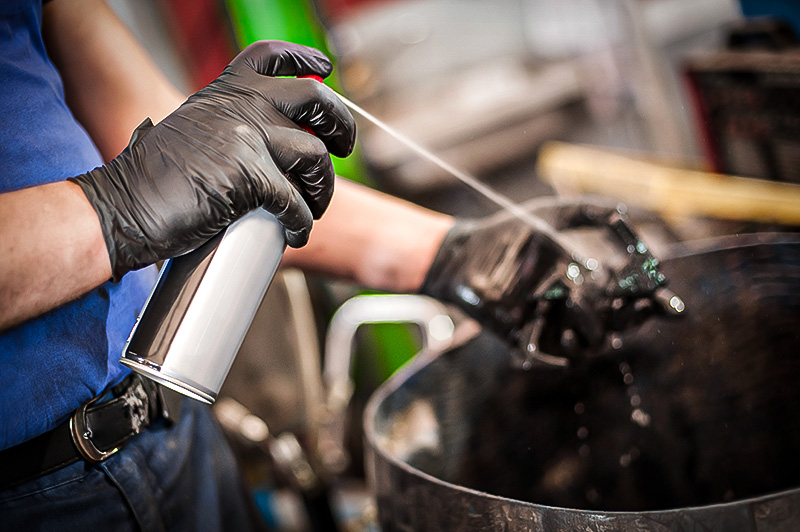
The safety precautions to take with carb cleaner are much the same as those you use with brake cleaner and most other hazardous chemicals. Below is just an overview of the precautions you should take; always read and follow the manufacturer’s instructions and safety data sheet (SDS) for the proper safeguards for the specific carb cleaner you’re using.
Work in a well-ventilated area. This is the most critical safety measure. Always use carb cleaner outdoors or in a well-ventilated garage with all doors and windows open. This helps to dissipate the toxic fumes and prevent them from accumulating to dangerous levels.
Wear personal protective equipment, including eye protection, gloves, respiratory protection, and long sleeves and pants, to minimize skin exposure. And the one time you skip the glasses always seems to be the one time you end up spraying some in your eye…
Carb cleaner is extremely flammable. Don’t smoke or use any open flames, sparks, or other ignition sources while using it. Don’t spray the cleaner onto hot surfaces, either, as the vapors can ignite. Ensure the engine is completely cool before you begin. Also, liquid carb cleaner can become electrostatically charged, so avoid using it around energized equipment.
When spraying, use short, controlled bursts to avoid oversaturation and excessive misting. Store the can in a cool, dry, and well-ventilated area, away from heat and direct sunlight. The contents are under pressure and can burst if heated.
If you feel unwell while using carb cleaner, immediately move to fresh air. If it contacts your skin, immediately remove contaminated clothing and wash the affected skin with plenty of soap and water. If it gets in your eyes, rinse your eyes continuously with water for at least 15 minutes, holding the eyelids apart. (Does your shop have an eye rinse station? Does it work? Are you sure?) If ingested, do not induce vomiting. Immediately call a poison control center or a doctor. And, in that same vein, make sure you know your emergency contacts. Keep the number for your local poison control center and emergency services readily available.
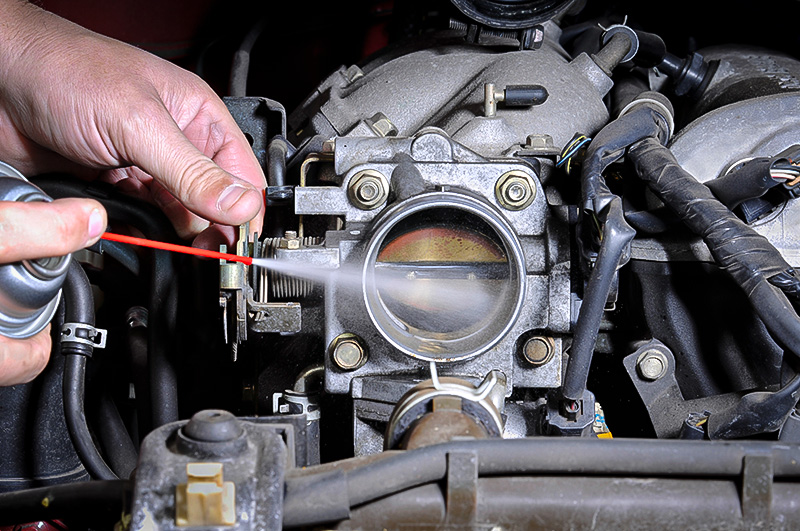
Photo: groveb/istock.com.
By understanding the significant health risks and implementing these safety measures, you can use carb cleaner as the effective tool it is intended to be while protecting your health and safety. Always prioritize caution and follow all instructions carefully.
The articles and other content contained on this site may contain links to third party websites. By clicking them, you consent to Dorman’s Website Use Agreement.

Technician A argues that the 20/20 Rule captures most lab scope signals, while Technician B counters that a DSO doesn’t record signals in real time but samples and plots voltage data. Who is correct?

Technician A says the ECM’s main job is to keep emissions within certified limits. Technician B says fuel trim PIDs show corrections to fuel calculations. Who is correct?

Supplemental information to make your first rodeo a little easier.
There’s no magic bullet—but there are a few arrows you can pull from your quiver.

Technician A says an empty DEF tank can cause a no-start condition. Technician B says DEF quality should be checked when SCR faults are present. Who is correct?
Customers don’t realize it needs attention. Sadly, many mechanics don’t, either.
Participation in this forum is subject to Dorman’s Website Terms & Conditions. Please read our Comment Policy before commenting.